Mastering the Simple Past tense with examples is a fundamental step for anyone aiming to master the English language and understand its tense structure accurately. The Simple Past tense is the tool used to express events that occurred and ended, whether they are daily situations, personal experiences, or even historical events. Through this tense, you can tell stories and recall memories using correct and clear language.

Many learners find themselves confused when dealing with the Simple Past tense, especially when distinguishing between regular and irregular verbs or when forming negative and question forms correctly.

What is the Simple Past tense?

The Simple Past tense is used to express actions that happened and ended at a specific time in the past. The sentence is usually structured as: subject + verb in the past form + the rest of the sentence. The past form of the verb differs depending on whether the verb is regular or irregular. Regular verbs generally add the suffix -ed to the end, while irregular verbs have specific forms that must be memorized.

For example, the phrase He visited his grandmother yesterday means "He visited his grandmother yesterday," and it's often used when explaining the Simple Past tense with examples because it clearly shows that the event happened and ended in the past. The Simple Past tense is often accompanied by time expressions such as yesterday, last week, or in 2010 to clarify the exact time the event occurred.

What are the uses of the Simple Past tense?

The Simple Past tense is used in several clear contexts related to the past, including:

  • To talk about a finished event: It's used to describe an action that occurred and ended at a specific time, such as: She finished her homework last night.

  • To narrate stories or historical events: It helps present events in chronological order, making the story clear and smooth.

  • To describe past experiences: It’s used to talk about something that happened in the past and does not continue into the present, such as: I traveled to Paris in 2018.

  • To explain past habits: It refers to a behavior or habit that used to happen frequently but stopped, such as: They played football every weekend.

  • To show a simple chronological sequence: It explains events that happened one after the other in a clear and defined past.

Through the Simple Past tense with examples, you can accurately express past actions and link them to their specific time in a correct and seamless manner in English.

How do we form Simple Past sentences?

In affirmative sentences, the Simple Past tense is formed as: subject + verb in the past form + sentence complements. The past form is used whether the verb is regular or irregular. For regular verbs, we add -ed at the end, while irregular verbs have their own special forms that need to be memorized. This is clearly shown when studying the Simple Past tense with examples that demonstrate how each type is applied within a sentence.

Example: I walked to school yesterday.

How do we form the negative?

To form the negative in the Simple Past tense, we use did not (or the contracted form didn't) followed by the verb in its base form (without any additions), because the auxiliary verb did already indicates the past tense.

Example: She didn’t eat breakfast this morning.

How do we form questions?

To form questions in the Simple Past tense, we place Did at the beginning of the sentence, followed by the subject, and then the verb in its base form without the past form. This structure is used with all verbs, regardless of whether they are regular or irregular.

Example: Did you travel last summer?

What is the difference between regular and irregular verbs?

Regular verbs in the Simple Past tense are formed by adding -ed to the base verb, which is the most common way to form the past tense in English. However, there are some simple rules to be aware of depending on the ending of the original word:

  • If the verb ends in e, we add only d.

  • If it ends in y preceded by a consonant, we change y to ied.

  • If the final letter is a consonant and the preceding letter is a short vowel, we double the final letter before adding ed.

Examples:

  • play → played (Simply add ed).

  • watch → watched (Simply add ed).

  • study → studied (The verb ends in y after a consonant, so y becomes i and then ed is added).

  • love → loved (The verb ends with e, so we add only d).

  • stop → stopped (The verb is short and ends with a consonant after a vowel, so we double the last letter and then add ed).

What are irregular verbs?

Irregular verbs do not follow a fixed rule when changing to the Simple Past tense. Their form changes completely, so they must be memorized. Some of the most common examples of irregular verbs include:

  • go → went

  • eat → ate

  • have → had

  • do → did

  • come → came

How can I distinguish between them?

Distinguishing between regular and irregular verbs depends on knowing the lists of irregular verbs. If a verb is on these lists, it's irregular. Other verbs that can form their past tense by adding -ed are typically regular.

It’s important to train yourself to memorize the most common irregular verbs, as mastering them significantly helps in applying the Simple Past tense correctly in daily language practice.

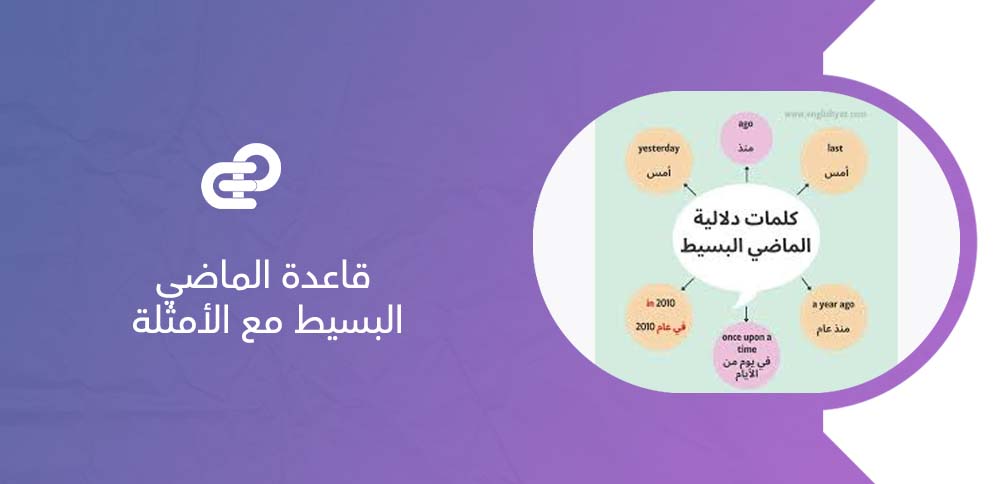
What are the time indicators for the Simple Past tense?

Certain words in English are used to indicate that the sentence follows the Simple Past tense, as they show that the event happened and ended in the past. Their presence in the sentence helps clarify the intended time context easily.

  • Yesterday: Used to indicate an event that happened the day before, e.g., "He did his homework yesterday."

  • Last (e.g., last week, last year): Refers to a specific past time period that has already ended, such as "last week" or "last year."

  • Ago (e.g., two days ago): Used to specify the duration between the event and the present moment, clearly indicating a finished time, e.g., "He left two days ago."

  • In with years or specific times (e.g., in 2020): Used to specify the year or period when the event occurred previously.

  • Once: Indicates an action that occurred once in the past, often used when recalling experiences or memories.

  • When: Used to connect two events that took place in the past, indicating the moment the action occurred.

  • The other day: Refers to a recent time, often used when there is no need to specify the exact day.

How do I use the Simple Past tense in daily situations?

Using the Simple Past tense with examples in daily conversations makes the language more natural and fluent. It can be applied in affirmative, negative, or interrogative sentences to talk about events that happened in the past:

  • I visited my friend yesterday.

  • I didn’t watch TV last night.

  • Did you see John yesterday?

Varying sentences between these forms helps you understand the rule more and contributes to using it automatically while speaking.

Examples in Writing and Narration

When writing stories or keeping diaries, the Simple Past tense is the most appropriate tense for narrating events that have already ended. It gives the text a sense of chronological order and logical progression of events. For example:

  • Last summer, I traveled to Spain with my family. We visited many museums and tried new food.

This writing style allows the reader to follow the events easily, as if they were live scenes from a memory.

How do I describe old habits?

The Simple Past tense can also be used to talk about habits you used to do in the past but no longer practice. For example:

  • When I was a child, I always played in the park after school.

This usage clearly shows the difference between the past and the present, helping express old memories and habits in a simple and clear way.

What are common mistakes when using the Simple Past tense?

One of the most common mistakes learners make is adding the -ed suffix to all verbs, including irregular ones. This leads to incorrect words like eated instead of ate or goed instead of went. This mistake often appears when studying the Simple Past tense with examples, as understanding the list of irregular verbs and practicing them helps in using the Simple Past tense correctly when building sentences.

Incorrect use of the past verb with did/didn’t
Some learners mistakenly use the past tense form after the verb did in questions or negatives, even though did itself expresses the past tense. In this case, the main verb should be in its base form, not in the past.

  • Incorrect: Did you went to the park?

  • Correct: Did you go to the park?

  • Incorrect: You didn’t watched the movie.

  • Correct: You didn’t watch the movie.

Understanding the grammatical role of did and the main verb is essential to avoid these common mistakes.

Forgetting time indicators

Words like yesterday, last week, or two days ago are crucial to accurately determine the time of the event. Forgetting them makes the sentence meaning ambiguous and could make it seem like another tense is being used.

For example:

  • I visited my friend. (This seems general and unspecified.)

  • I visited my friend yesterday. (It clearly shows that the visit happened in the recent past.)

Mixing tenses

Sometimes, learners mix the Simple Past tense with other tenses, such as the Present Perfect or the Simple Present, which changes the entire meaning of the sentence. The Simple Past tense refers to an event that finished at a specific point in the past, while other tenses refer to continuity or connection with the present. Practicing and distinguishing these cases will ensure that you master the Simple Past tense with the correct examples.

How does English Place Academy teach the Simple Past tense?

English Place Academy offers live lessons where learners interact with instructors practically. During the sessions, everyone engages in conversations and real-time exercises to apply the Simple Past tense with examples in a lively way, helping them understand the rule and use it fluently in daily situations.

Exercises and Real-Life Examples

Instructors rely on a set of exercises such as completing sentences, correcting errors, and selecting the correct verb in the past tense. Understanding is reinforced with real-life examples from daily life, helping the learner link the language to real situations, such as:

  • I played football yesterday.

This way, students practice using the rule in understandable and clear contexts instead of abstract memorization.

Gradual Explanation and Simplification

The academy follows a gradual system starting with the basics and progressing to advanced usage. Each unit focuses on a specific type of sentence, such as affirmative, negative, or interrogative, along with distinguishing between regular and irregular verbs. The rule is repeatedly reviewed and practiced to ensure it is firmly established without complication.

Frequently Asked Questions about the Simple Past Tense with Examples

What is the rule for the Simple Past tense?
The rule for the Simple Past tense is used to express an event that ended at a specific time in the past. The sentence is usually formed with the subject + the verb in its past form, and this tense can be used for both short and long events as long as they have already ended.

What are the most important time indicators?
Time indicators for the Simple Past tense help clarify the time frame of the event, with key words such as yesterday, last (e.g., last week or last year), ago, in + year (e.g., in 2022), and also once and when.

Is the rule different between speaking and writing?
The rule is the same in both speech and writing, but the style differs. In writing, precise chronological order is maintained, and sentences are linked with appropriate time expressions. In speech, sentences are often simpler and shorter.

Conclusion

Mastering the Simple Past tense with examples is a fundamental step for anyone seeking to master the English language, as it allows the learner to express past events with accuracy and fluency. Understanding the correct use of verbs in this tense is key to effective communication in various daily and educational situations.

تعلم قاعدة الماضي البسيط مع الأمثلة يمثل خطوة جوهرية لكل من يسعى إلى إتقان اللغة الإنجليزية وفهم بنيتها الزمنية بشكل دقيق. فالماضي البسيط هو الأداة التي تعبّرون بها عن أحداث وقعت وانتهت، سواء كانت مواقف يومية أو تجارب شخصية أو حتى وقائع تاريخية. من خلال هذا الزمن يمكنكم رواية القصص واسترجاع الذكريات بلغة صحيحة وواضحة.

كثير من المتعلمين يجدون أنفسهم في حيرة عند التعامل مع قاعدة الماضي البسيط، خصوصًا في التفرقة بين الأفعال المنتظمة وغير المنتظمة، أو عند تكوين النفي والسؤال بطريقة صحيحة. 

ما هي قاعدة الماضي البسيط؟

قاعدة الماضي البسيط تُستخدم للتعبير عن الأفعال التي حدثت وانتهت في زمن محدد بالماضي. تُبنى الجملة عادة باتباع القاعدة: الفاعل + الفعل في التصريف الثاني (Past form) + بقية الجملة. هذا التصريف الثاني يختلف حسب ما إذا كان الفعل منتظمًا أو غير منتظمًا، فالأفعال المنتظمة تُضاف لها عادةً اللاحقة -ed في نهايتها، بينما للأفعال غير المنتظمة صيَغ خاصة يجب حفظها كما هي.

على سبيل المثال، تعبير He visited his grandmother yesterday يعني "زار جدته أمس"، ويُستخدم كثيرًا عند شرح قاعدة الماضي البسيط مع الأمثلة لأنه يُظهر بوضوح أن الحدث تم وانتهى في الماضي. وغالبًا ما يترافق زمن الماضي البسيط مع كلمات تدل على الوقت مثل yesterday أو last week أو in 2010 لتوضيح زمن وقوع الحدث بدقة.

ما استخدامات الماضي البسيط؟

يُستخدم زمن الماضي البسيط في عدة سياقات واضحة تتعلق بالماضي، من أبرزها:

  • للحديث عن حدث منتهٍ: يُستخدم لوصف فعل وقع وانتهى في وقت محدد، مثل: She finished her homework last night.
  • لسرد القصص أو الأحداث التاريخية: يساعد على عرض الأحداث بترتيبها الزمني، مما يجعل القصة واضحة وسلسة.
  • لوصف تجارب سابقة: يُستخدم للتحدث عن شيء جرى في الماضي دون أن يستمر للحاضر، مثل: I traveled to Paris in 2018.
  • لتوضيح العادات الماضية: يشير إلى سلوك أو عادة كانت تحدث بشكل متكرر ثم توقفت، مثل: They played football every weekend.
  • لبيان تسلسل زمني بسيط: يشرح توالي الأحداث واحدة تلو الأخرى في زمن ماضٍ واضح ومحدد.

من خلال قاعدة الماضي البسيط مع الأمثلة، يمكنكم التعبير بدقة عن الأفعال الماضية وربطها بزمنها بطريقة صحيحة وسلسة في اللغة الإنجليزية.

كيف نكوّن جمل الماضي البسيط؟

في جمل الإثبات، تتكوّن قاعدة الماضي البسيط من: فاعل + الفعل في التصريف الثاني + مكملات الجملة. ويُستخدم التصريف الثاني سواء كان الفعل منتظمًا أو غير منتظم، حيث نضيف للفعل المنتظم (–ed) في نهايته، بينما الأفعال غير المنتظمة لها أشكال خاصة يجب حفظها كما هي، وهذا ما يظهر بوضوح عند دراسة قاعدة الماضي البسيط مع الأمثلة التي توضّح كيفية تطبيق كل نوع داخل الجملة

مثال: I walked to school yesterday.

كيف نصوغ النفي؟

لصياغة النفي في الماضي البسيط، نستخدم did not (أو الشكل المختصر didn’t) متبوعة بالفعل في صورته الأصلية (المصدر) دون أي إضافات، لأن الفعل المساعد did يحمل دلالة الزمن الماضي.

مثال: She didn’t eat breakfast this morning.

كيفية طرح الأسئلة؟

لطرح الأسئلة في زمن الماضي البسيط، نضع Did في بداية الجملة، ثم يأتي بعدها الفاعل، ثم الفعل في المصدر دون تصريف ثانٍ. تُستخدم هذه البنية مع جميع الأفعال بغضّ النظر عن نوعها، منتظمة كانت أم غير منتظمة.

مثال: Did you travel last summer?

ما الفرق بين الأفعال المنتظمة وغير المنتظمة؟

الأفعال المنتظمة في قاعدة الماضي البسيط تُصاغ بإضافة -ed إلى نهاية الفعل الأساسي، وهي الطريقة الأكثر شيوعًا لتكوين الماضي في اللغة الإنجليزية. ومع ذلك، توجد بعض القواعد البسيطة التي يجب الانتباه إليها وفقًا لنهاية الكلمة الأصلية:

  • إذا انتهى الفعل بحرف e، نضيف فقط d.
  • إذا انتهى بحرف y مسبوق بحرف ساكن، نُحوّل y إلى ied.
  • إذا كان الحرف الأخير ساكنًا وقبله حرف متحرك قصير، نُضاعف الحرف الأخير قبل إضافة ed.
  • play → played
    تم إضافة ed ببساطة.
  • watch → watched
    تم إضافة ed ببساطة.
  • study → studied
    انتهى الفعل بـ y بعد حرف ساكن، لذلك تحولت y → i ثم أضيفت ed.
  • love → loved
    ينتهي الفعل بحرف e، لذا نضيف d فقط.
  • stop → stopped
    الفعل قصير وينتهي بحرف ساكن بعد حرف متحرك، لذلك تم تضعيف الحرف الأخير ثم إضافة ed.

ما هي الأفعال غير المنتظمة؟

الأفعال غير المنتظمة لا تتبع قاعدة محددة عند تحويلها إلى الماضي البسيط، إذ يتغير شكلها تمامًا، لذا من الضروري حفظها كما هي.

من أشهر الأمثلة على الأفعال غير المنتظمة:

  • go → went
  • eat → ate
  • have → had
  • do → did
  • come → came

كيف أميز بينهما؟

التمييز بين الأفعال المنتظمة وغير المنتظمة يعتمد على معرفة القوائم الخاصة بالأفعال الشاذة (Irregular Verbs). فإذا كان الفعل واردًا ضمن هذه القوائم، فهو غير منتظم. أما الأفعال الأخرى التي يمكن أن نكوّن ماضيها بإضافة -ed فهي غالبًا منتظمة.

من المهم تدريب أنفسكم على حفظ أكثر الأفعال غير المنتظمة شيوعًا لأن إتقانها يساعد بشكل كبير في تطبيق قاعدة الماضي البسيط مع الأمثلة بطريقة صحيحة وسليمة في الممارسة اليومية للغة.

ما هي الكلمات الدالة على الماضي البسيط؟

تُستخدم كلمات محددة في اللغة الإنجليزية لتوضيح أن الجملة تتبع قاعدة الماضي البسيط، إذ تُشير هذه الكلمات إلى أن الحدث وقع وانتهى في زمن سابق. وجودها في الجملة يساعد على فهم سياق الزمن المقصود بسهولة.

  • yesterday (أمس): تُستخدم للإشارة إلى حدث حدث في اليوم السابق مباشرة، مثل أن نقول إن شخصًا قام بفعل محدد بالأمس.
  • last مثل: last week أو last year: تُعبّر عن فترة زمنية ماضية محددة انتهت بالفعل، مثل الأسبوع الماضي أو العام الماضي.
  • ago مثل: two days ago: تُستخدم لتحديد المدة الزمنية التي تفصل بين الحدث والوقت الحالي، وتشير بوضوح إلى زمن منتهٍ.
  • in مع السنوات أو أوقات محددة مثل: in 2020: تُوظف لتحديد العام أو الفترة التي وقع فيها الحدث سابقًا.
  • once: تُفيد حدوث الفعل مرة واحدة في الماضي، وغالبًا تُستخدم عند سرد التجارب أو الذكريات.
  • when: تأتي لربط حدثين وقعا في الماضي، حيث تُستخدم لتحديد اللحظة التي وقع فيها الفعل.
  • the other day: تشير إلى وقت قريب مضى، وتُستخدم عندما لا تكون هناك حاجة لتحديد اليوم بدقة.

كيف أستخدم الماضي البسيط في مواقف الحياة اليومية؟

استخدام قاعدة الماضي البسيط مع الأمثلة في الحوار اليومي يجعل اللغة أكثر طبيعية وسلاسة. يمكن توظيفها في جمل الإثبات أو النفي أو السؤال للتحدث عن أحداث وقعت في الماضي:

  • I visited my friend yesterday. زرت صديقي أمس.
  • I didn’t watch TV last night. لم أشاهد التلفاز البارحة.
  • Did you see John yesterday? هل رأيتم جون أمس؟

تنويع الجمل بين هذه الأشكال يساعدكم على فهم القاعدة أكثر ويُسهم في استخدامها بشكل تلقائي أثناء الحديث.

أمثلة في الكتابة والسرد

عند كتابة القصص أو تدوين المذكرات، يُعتبر الماضي البسيط الزمن الأنسب لسرد الأحداث التي انتهت بالفعل. فهو يمنح النص إحساسًا بالترتيب الزمني والتتابع المنطقي للأحداث. على سبيل المثال:

Last summer, I traveled to Spain with my family. We visited many museums and tried new food.

سافرنا الصيف الماضي إلى إسبانيا مع العائلة، وزرنا العديد من المتاحف وجربنا أطعمة جديدة.

هذا النمط في الكتابة يجعل القارئ يتتبع الأحداث بسهولة وكأنها مشهد حيّ من الذاكرة.

كيف أصف العادات القديمة؟

يمكن استخدام الماضي البسيط أيضًا للتحدث عن العادات التي كنتم تقومون بها في الماضي ولم تعودوا تمارسونها الآن. مثلًا:

When I was a child, I always played in the park after school.

عندما كنت طفلًا، كنت ألعب دائمًا في الحديقة بعد المدرسة.

هذا الاستخدام يُظهر بوضوح الفرق بين الماضي والحاضر، ويُساعد في التعبير عن الذكريات والعادات القديمة بطريقة بسيطة وواضحة.

ما الأخطاء الشائعة في استخدام الماضي البسيط؟

من أكثر الأخطاء شيوعًا بين المتعلمين إضافة اللاحقة –ed إلى جميع الأفعال، بما في ذلك الأفعال غير المنتظمة. يؤدّي هذا إلى تكوين كلمات غير صحيحة مثل: eated بدلًا من ate أو goed بدلًا من went. ويظهر هذا الخطأ كثيرًا عند دراسة قاعدة الماضي البسيط مع الأمثلة، حيث يتضح أن فهم قائمة الأفعال الشاذة والتدرّب على حفظها يساعدكم على استخدام صيغة الماضي البسيط بدقة أكبر عند بناء الجمل.

خطأ استخدام الفعل الماضي مع did/didn’t

يخطئ بعض المتعلمين باستخدام صيغة الماضي بعد الفعل did في الأسئلة أو النفي، رغم أن did نفسها تعبّر عن الماضي. في هذه الحالة يجب أن يأتي الفعل بعدها بصيغته الأساسية لا الماضية.

  • الجملة الخاطئة: Did you went to the park?
  • الجملة الصحيحة: Did you go to the park?
  • الجملة الخاطئة: You didn’t watched the movie.
  • الجملة الصحيحة: You didn’t watch the movie.

التمييز بين الدور النحوي لـ did والفعل الرئيسي أساسي لتجنّب هذه الأخطاء المتكررة.

نسيان الكلمات الدالة

الكلمات الدالة مثل yesterday، last week، أو two days ago ضرورية لتحديد زمن الحدث بدقة. نسيانها يجعل معنى الجملة غامضًا وقد يُفهم على أنه زمن آخر.

على سبيل المثال:

  • I visited my friend. (قد تبدو عامة وغير محددة)
  • I visited my friend yesterday. (توضّح أن الزيارة حدثت في الماضي القريب بوضوح)

اختلاط الأزمنة

يحدث أحيانًا أن يخلط المتعلمون بين الماضي البسيط وأزمنة أخرى مثل present perfect أو الحاضر البسيط، مما يغيّر معنى الجملة بالكامل. استخدام الماضي البسيط يعبّر عن حدث انتهى في وقت محدد، في حين أن الأزمنة الأخرى تشير إلى استمرارية أو ارتباط بالحاضر. التدريب على التمييز بين هذه الحالات يضمن لكم إتقان قاعدة الماضي البسيط مع الأمثلة الصحيحة.

كيف تطبّق أكاديمية انقلش بليس قاعدة الماضي البسيط؟

تقدّم أكاديمية انقلش بليس دروسًا مباشرة يتفاعل فيها المتعلمون مع المدرسين بطريقة عملية. خلال الحصص، يشارك الجميع في محادثات وتمارين فورية لتطبيق قاعدة الماضي البسيط مع الأمثلة بشكل حي، مما يساعدهم على فهم القاعدة واستخدامها بطلاقة في المواقف اليومية.

تمارين وأمثلة واقعية

يعتمد المدرسون على مجموعة من التمارين مثل إكمال الجمل وتصحيح الأخطاء واختيار الفعل الصحيح بصيغة الماضي. يتم تعزيز الفهم باستخدام أمثلة واقعية من الحياة اليومية كي يربط المتعلم بين اللغة والمواقف الحقيقية، مثل الجملة:

I played football yesterday.

بهذه الطريقة، يتدرّب الطلاب على استخدام القاعدة في سياقات مفهومة وواضحة بدلًا من الحفظ المجرد.

التدرج في الشرح وتبسيطه

تتبع الأكاديمية نظامًا تدريجيًا يبدأ من الأساسيات حتى يصل إلى الاستخدام المتقدم. كل وحدة تركز على نوع محدد من الجمل مثل الإثبات أو النفي أو السؤال، بالإضافة إلى التفريق بين الأفعال المنتظمة وغير المنتظمة. يتم تكرار ومراجعة القاعدة باستمرار لضمان ترسيخها دون تعقيد.

الأسئلة الشائعة حول قاعدة الماضي البسيط مع الأمثلة

ما هي قاعدة زمن الماضي البسيط؟

قاعدة زمن الماضي البسيط تُستخدم للتعبير عن حدث انتهى في زمن محدد في الماضي. تُبنى الجملة عادة من الفاعل + الفعل في التصريف الثاني، ويُستخدم هذا الزمن سواءً للحديث عن أحداث قصيرة أو طويلة المدى ما دامت قد انتهت بالفعل.

ما هي الكلمات الدالة الأهم؟

الكلمات الدالة على زمن الماضي البسيط تساعد في تحديد الإطار الزمني للجملة، ومن أهمها: yesterday، last (مثل last week أو last year)، ago، in + السنة مثل in 2022، بالإضافة إلى once وwhen.

هل تختلف القاعدة بين الحديث والكتابة؟

القاعدة واحدة في الشكل بين الحديث والكتابة، لكن الاختلاف يظهر في الأسلوب. ففي الكتابة يُراعى التسلسل الزمني بدقة ويُستخدم ربط الجمل بالعبارات الزمنية المناسبة، بينما في الحديث تُستخدم الجمل بصورة أبسط وأقصر.

الخلاصة

إتقان قاعدة الماضي البسيط مع الأمثلة يُعد خطوة جوهرية لكل من يسعى لإتقان اللغة الإنجليزية، لأنه يمنح المتعلم القدرة على التعبير بدقة وسلاسة عن الأحداث التي عاشها أو تعلمها في الماضي. فهم استخدام الفعل بشكل صحيح في هذا الزمن هو أساس للتواصل الفعّال في مختلف المواقف اليومية والتعليمية.

مقالات ذات صلة:


[[likesCount]]
[[commentsCount]]
[[viewsCount]]
2026-01-13 12:57:06
مشاركة: