Have you ever found yourself wanting to narrate what you did yesterday or talk about a past experience in English, but then paused, unsure of how to structure the sentence correctly? These situations are common among language learners, as expressing the past is a fundamental part of daily communication. This is where understanding the Simple Past tense with examples becomes essential, as it enables you to speak clearly about events that have already ended, whether in conversation or writing.

What is the Simple Past tense with examples?

The Simple Past tense is used to express an action that occurred and was completed at a specific time in the past, with no connection to the present. It appears in various situations that describe finished events, such as recounting an activity you did yesterday or talking about a past experience that is no longer ongoing. It clarifies that the action took place and ended at a specific point in time.

This tense is also used when discussing historical events, personal stories, or simple daily occurrences. Time indicators associated with the Simple Past tense, such as yesterday or last week, help specify the timeframe accurately, making the sentence clearer and easier to understand.

How do we define the Simple Past tense?

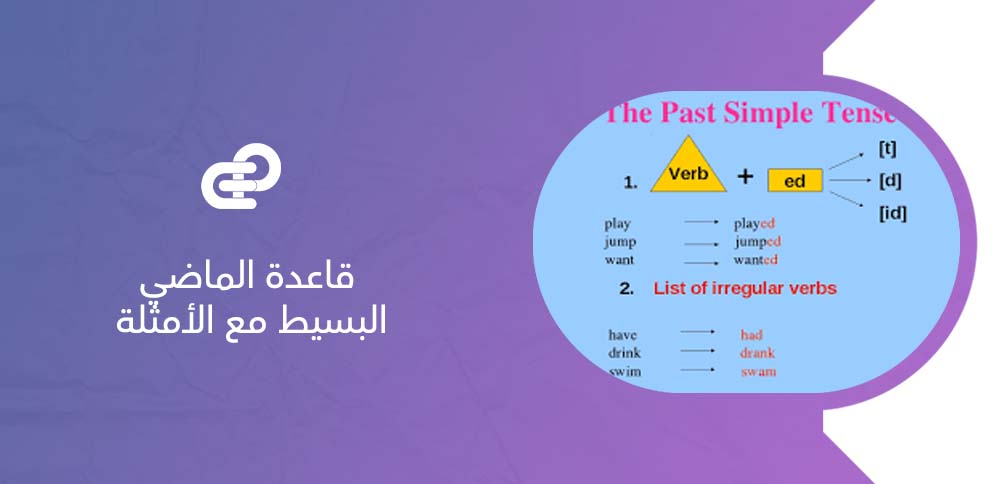
The Simple Past tense is the form used when referring to an event that happened in the past, whether it was short-lived or long, but it is complete. This is explained in lessons on the Simple Past tense with examples that show how to use this tense accurately. The Simple Past tense is formed using the second form of the verb, and it differs between regular verbs, which are modified by adding "-ed" at the end, and irregular verbs, which have their own unique forms that must be memorized. The verb be has two forms in the past: was and were, depending on the subject.

What are the key time indicators?

  • yesterday: Used to indicate an event that happened the day before.

  • last week / last month / last year: Refers to events that occurred in a past period that has already ended.

  • ago: Specifies the amount of time that has passed since the event, such as two days ago.

  • in 2010: Used with years to define a specific time in the past when the event took place.

How do we form a sentence in the Simple Past tense?

An affirmative sentence in the Simple Past tense is formed as: Subject + verb (in the second form) + object. We add the suffix -ed to regular verbs, while for irregular verbs, we use their specific forms, which must be memorized.

Regular verb examples:

  • I worked yesterday.

  • They played football last week.

Irregular verb examples:

  • She went to the market.

  • We ate dinner early.

In these cases, the verb is the element that carries the past tense marker through its second form.

How do we form the negative sentence?

For the negative form, we do not use the second form of the verb directly. Instead, we add did not (or the contracted form didn't) before the verb, and the verb remains in its base form without any additions.

The structure is: Subject + did not (didn’t) + verb (base form) + object.

Negative examples:

  • I didn’t work yesterday.

  • She didn’t go to the market.

  • We did not eat dinner early.

In this case, the auxiliary didn't indicates the past tense, so the verb doesn’t need to change.

How do we form a question in the Simple Past tense?

To form a question in the Simple Past tense, we start with the auxiliary verb Did, followed by the subject, then the base form of the verb, and finally the rest of the sentence.

The structure is: Did + subject + verb (base form) + object + ?

Question examples:

  • Did you work yesterday?

  • Did she go to the market?

  • Did they eat dinner early?

The auxiliary verb Did moves to the beginning, making the sentence interrogative, while the main verb stays in its base form.

How do we use was/were in the Simple Past tense?

The verb be in the past is used as was and were:

  • was is used with I, he, she, it.

  • were is used with we, you, they.

In affirmative sentences, it expresses a state or describes an event in the past without needing an additional verb.

Affirmative examples:

  • I was happy yesterday.

  • They were at the park.

In negative sentences, we add not after was/were, making it was not (wasn’t) or were not (weren’t). These can also be used in questions by placing was/were at the beginning.

Negative and question examples:

  • She wasn’t at home.

  • Were you tired yesterday?

This allows us to construct affirmative, negative, and interrogative sentences in the Simple Past tense easily, following the previous rules.

What are common examples of the Simple Past tense?

The Simple Past tense is used to express actions that happened and ended at a specific point in the past, as shown in lessons on the Simple Past tense with examples that help learners understand this tense practically. Below are some clear examples that show how it is used in daily life, along with their translations into Arabic.

Examples of regular verbs
Regular verbs are those that have -ed added at the end to form the past tense. Some examples include:

  • worked – عملَ

  • studied – درسَ

  • visited – زارَ

  • cooked – طبخَ

  • watched – شاهدَ

Examples in sentences:

  • He lived in Fiji in 1976. → عاش في فيجي عام 1976.

  • We crossed the Channel yesterday. → عبرنا القناة الإنجليزية بالأمس.

  • She studied English last night. → درست اللغة الإنجليزية الليلة الماضية.

  • They worked at the office last summer. → عملوا في المكتب الصيف الماضي.

  • John Cabot sailed to America in 1498. → أبحر جون كابوت إلى أمريكا في عام 1498.

Examples of irregular verbs
Irregular verbs do not follow the previous rule, and their form changes completely in the past. Key examples include:

  • go → went – يذهب → ذهب

  • eat → ate – يأكل → أكل

  • see → saw – يرى → رأى

  • buy → bought – يشتري → اشترى

  • come → came – يأتي → جاء

Examples in sentences:

  • My father died last year. → تُوفي والدي العام الماضي.

  • They went to Paris two weeks ago. → ذهبوا إلى باريس منذ أسبوعين.

  • I ate sushi for the first time yesterday. → أكلت السوشي للمرة الأولى بالأمس.

  • We saw a beautiful sunset at the beach. → شاهدنا غروبًا جميلًا على الشاطئ.

  • She came late to the meeting. → جاءت متأخرة إلى الاجتماع.

Affirmative, Negative, and Interrogative Sentences

The table below illustrates the structure of sentences in the Simple Past tense, with an example for each type.

Affirmative Sentence
Structure: Subject + verb in the past + rest of the sentence
Example: He visited London last year. → زارَ لندن العام الماضي.

Negative Sentence
Structure: Subject + did not (didn’t) + verb in the base form
Example: He didn’t visit London last year. → لم يزر لندن العام الماضي.

Interrogative Sentence
Structure: Did + subject + verb in the base form + rest of the sentence?
Example: Did he visit London last year? → هل زار لندن العام الماضي؟

What is the difference between the Simple Past tense and other tenses?

To understand the Simple Past tense with examples clearly, it’s helpful to compare it with both the Simple Present tense and the Present Continuous tense, as each tense expresses a different time for the action and has specific meanings in its context. The table below shows the basic formation for each tense, along with some time indicators.

Simple Past (Past Simple)
Formation: Subject + verb in the second form (V2)
Time indicators: yesterday, last week, ago, in 2000
Example: I went to the park yesterday.

Simple Present (Present Simple)
Formation: Subject + verb in the base form (V1)
Time indicators: always, usually, every day, often
Example: I go to the park every day.

Present Continuous (Present Continuous)
Formation: Subject + am/is/are + verb + ing
Time indicators: now, at the moment, right now
Example: I am going to the park now.

The Simple Past tense is used to describe an event that is fully finished in the past, while the Simple Present tense describes habits or general facts, and the Present Continuous tense refers to actions happening right now.

For example, the verb go changes meaning completely depending on the tense used:

  • I went → ذهبتُ (Event that finished).

  • I go → أذهب عادةً (Repeated action).

  • I am going → أنا ذاهب الآن (Current action).

This small change in form completely alters the meaning of the verb and accurately indicates when the event happened.

When do we use each tense?

We use the Simple Past tense when talking about events that occurred and ended at a specific time in the past, which is clearly shown by time words such as yesterday, last night, and two days ago. These words help pinpoint the event's timeframe precisely within the sentence.

For example:

  • I watched a movie last night. → شاهدتُ فيلمًا الليلة الماضية.

The Simple Present tense is used to describe routines or general facts, such as:

  • I study English every day. → أدرس الإنجليزية كل يوم.

Meanwhile, the Present Continuous tense is used to describe actions happening currently or still ongoing:

  • I am studying English now. → أنا أدرس الإنجليزية الآن.

It’s important to specifically use the Simple Past tense when mentioning an action that ended in the past with a clear time indicator. Using another tense could change the meaning of the sentence entirely and make it inaccurate.

What are common mistakes in the Simple Past tense?

One of the most common mistakes learners make when applying the Simple Past tense with examples is adding the “-ed” suffix to all verbs without distinguishing between regular and irregular verbs. Some learners assume all verbs follow the same rule, like writing go-ed instead of went. The best solution to avoid this mistake is to memorize the conjugations of irregular verbs through repetition and using charts or educational apps that provide interactive exercises to reinforce them.

Mistakes with the use of did?
It’s common among beginners to use the past form after the auxiliary did in negative or interrogative sentences, like saying: “He did wrote a letter” instead of the correct “He did write a letter.” The rule for the Simple Past tense is clear: after did, we only use the base form of the verb because did itself already indicates the past. Repeated practice with forming questions and negatives in this tense will help correct these errors.

Are there pronunciation errors?
Many learners struggle with pronouncing the -ed ending in regular verbs, as it can be pronounced as /t/, /d/, or /ɪd/, which can cause confusion. Auditory training and repetition are essential to avoid mispronunciations. Listening to native speakers and practicing aloud can significantly improve pronunciation.

Is there confusion between tenses?
Sometimes, learners confuse the Simple Past tense with the Present Perfect tense, especially when using time words like yesterday or last week. This mistake is evident when studying the Simple Past tense with examples. For example, they might say: “I have visited Paris yesterday” instead of “I visited Paris yesterday.” This happens because the presence of a specific time word indicates the use of the Simple Past tense only. Thus, attention to time indicators in the sentence is essential to use the correct tense.

Are there errors in sentence order?
Another common mistake is the confusion of sentence elements in the Simple Past tense due to misplacement of auxiliary verbs. For example: “Did he went to school?” is incorrect, and the correct form is “Did he go to school?” To avoid this type of error, it’s useful to practice basic sentence models and drill them in online courses or interactive exercises that enhance understanding of the correct sentence structure and ensure accurate use of the Simple Past tense.

English Place Academy's Platform for Learning English Grammar

English Place Academy is a leading educational platform for learning English remotely, starting its journey in 2009. It became the first of its kind in the Arab world thanks to its academic staff. The academy focuses on developing learners' skills in grammar, conversation, and writing through a combination of academic precision and practical methods that cater to learners of all ages and levels.

The academy offers comprehensive online English courses covering all educational levels, relying on interactive lessons and a variety of videos, along with applied linguistic exercises. These tools help Arabic learners understand and apply the Simple Past tense with examples practically, through daily life situations and exercises that enhance actual rule application, making the learning process smoother, more enjoyable, and effective.

Frequently Asked Questions about the Simple Past Tense with Examples

What is the rule for the Simple Past tense?
The Simple Past tense is used to express actions that happened and ended in the past. The rule is formed by the verb in its past form, adding -ed for regular verbs, like played, while irregular verbs have their own specific forms, like went and took. This tense is commonly used with words like yesterday, last week, or ago to indicate the time of the event.

What is the passé simple?
The passé simple is used in French to express events that occurred in the past but are fully completed, often appearing in literary or formal texts. Unlike the Simple Past tense in English, the passé simple is rarely used in everyday conversation and is usually replaced by the passé composé in spoken language.

Is the Simple Past tense important for daily conversation?
Yes, the Simple Past tense is one of the most used tenses in daily conversation and writing, as it enables the expression of past experiences, finished activities, and everyday stories. It helps communicate effectively across various situations.

Conclusion

Mastering the Simple Past tense with examples makes learning English smoother, as it facilitates expressing daily situations and past events accurately and clearly. Correct handling of regular and irregular verbs gives you confidence in using the language and enhances your communication in different life situations.

هل سبق ووجدتم أنفسكم ترغبون في سرد ما فعلتموه بالأمس أو الحديث عن تجربة ماضية باللغة الإنجليزية، لكنكم توقفتم غير متأكدين من كيفية صياغة الجملة بشكل صحيح؟ هذه المواقف تتكرر مع أغلب متعلمي اللغة، إذ يُعد التعبير عن الماضي جزءًا أساسيًا من التواصل اليومي. من هنا تظهر أهمية فهم قاعدة الماضي البسيط مع الأمثلة، لأنها الأداة التي تمكِّنكم من التحدث بوضوح عن أحداث انتهت بالفعل، سواء في المحادثة أو في الكتابة.

ما هي قاعدة الماضي البسيط مع الأمثلة؟

يُستخدم زمن الماضي البسيط للتعبير عن حدث وقع واكتمل في زمن سابق محدد، ولا يمتد تأثيره إلى الحاضر. يظهر في مواقف متعددة تعبّر عن وقائع انتهت، مثل وصف نشاط قمتم به أمس أو تجربة سابقة لم تعد مستمرة. فهو يوضّح أن الفعل حدث وتوقف عند لحظة زمنية معينة.

كما يُستخدم هذا الزمن عند التحدث عن أحداث تاريخية أو قصص شخصية أو مواقف يومية بسيطة. تُساعد الكلمات الدالة المرتبطة به مثل yesterday أو last week في تحديد الإطار الزمني بدقة، مما يجعل الجملة أكثر وضوحًا وسهولة في الفهم.

كيف نُعرّف الماضي البسيط؟

يُعرَّف الماضي البسيط بأنه الصيغة التي تُستخدم عند الإشارة إلى حدث تم في الماضي، سواء أكان قصير المدى أم طويل المدى ولكنّه اكتمل، وهو ما توضّحه دروس قاعدة الماضي البسيط مع الأمثلة التي تشرح كيفية استخدام هذا الزمن بدقّة. يعتمد تكوين الماضي البسيط على التصريف الثاني للفعل، ويختلف شكله بين الأفعال المنتظمة التي يُضاف لها “-ed” في النهاية، والأفعال الشاذة التي تمتلك تصريفات خاصة يجب حفظها. أما الفعل be فيأتي بصيغتين هما was وwere حسب نوع الفاعل.

ما الكلمات الدالة الأساسية؟

  • yesterday: تُستخدم للإشارة إلى حدث وقع في اليوم السابق مباشرة.
  • last week / last month / last year: تدل على أحداث وقعت في فترة مضت ولم تستمر إلى الحاضر.
  • ago: توضح المدة الزمنية التي مرت منذ وقوع الحدث، مثل two days ago.
  • in 2010: تُستخدم مع السنوات لتحديد زمن محدد في الماضي حدث فيه الفعل.

كيف نبني الجملة في الماضي البسيط؟

تتكوّن الجملة المثبتة في قاعدة الماضي البسيط من: Subject + الفعل (في التصريف الثاني) + Object.

يتم استخدام لاحقة -ed مع الأفعال المنتظمة، بينما للأفعال غير المنتظمة نستخدم شكلها الخاص الذي يجب حفظه كما هو.

  • الفعل المنتظم:
  • I worked yesterday. → أنا عملتُ أمس.
  • They played football last week. → لعبوا كرة القدم الأسبوع الماضي.
  • الفعل غير المنتظم:
  • She went to the market. → ذهبت إلى السوق.
  • We ate dinner early. → تناولنا العشاء باكرًا.

يُلاحظ هنا أن الفعل هو العنصر الذي يحمل علامة الزمن الماضي من خلال التصريف الثاني.

كيف نصوغ الجملة المنفية؟

في النفي، لا نستخدم التصريف الثاني للفعل مباشرة، بل نضيف did not (أو didn’t) قبل الفعل، مع إبقاء الفعل في صيغة المصدر دون أي إضافات.

يُصبح الترتيب: Subject + did not + الفعل (في المصدر) + Object.

  • أمثلة على النفي:
  • I didn’t work yesterday. → لم أعمل أمس.
  • She didn’t go to the market. → لم تذهب إلى السوق.
  • We did not eat dinner early. → لم نتناول العشاء باكرًا.

في هذه الحالة، أداة النفي didn't هي التي تُشير إلى الماضي، لذلك لا حاجة لتغيير شكل الفعل.

كيف نكوّن الجملة الاستفهامية؟

عندما نحول الجملة إلى سؤال في الماضي البسيط، نبدأ بالفعل المساعد Did متبوعًا بالفاعل، ثم الفعل في المصدر، ثم بقية مكونات الجملة.

الترتيب يكون: Did + Subject + الفعل (في المصدر) + Object + ?

  • أمثلة على الأسئلة:
  • Did you work yesterday? → هل عملتم أمس؟
  • Did she go to the market? → هل ذهبت إلى السوق؟
  • Did they eat dinner early? → هل تناولوا العشاء باكرًا؟

يتغير موقع الفعل المساعد Did إلى البداية، مما يُظهر أن الجملة استفهامية، بينما يبقى الفعل الأساسي في صورته الأصلية.

كيف تستخدم was/were في الماضي البسيط؟

يُستخدم الفعل be في الماضي على شكلين: was وwere.

يأتي was مع I, he, she, it، بينما يُستخدم were مع we, you, they.

في الجمل المثبتة، يُعبّر عن حالة أو وصف حدث في زمنٍ ماضٍ دون الحاجة لأي فعل إضافي.

  • أمثلة على الإثبات:
  • I was happy yesterday. → كنت سعيدًا أمس.
  • They were at the park. → كانوا في الحديقة.

أما في حالة النفي، نضيف not بعد was/were، لتصبح was not (wasn’t) أو were not (weren’t)، ويمكن استخدامها أيضاً في الأسئلة بوضع was/were في بداية الجملة.

  • أمثلة على النفي والسؤال:
  • She wasn’t at home. → لم تكن في المنزل.
  • Were you tired yesterday? → هل كنتم متعبين أمس؟

بهذا الشكل يُمكن بناء الجمل المثبتة، المنفية، والاستفهامية في الماضي البسيط بسهولة وفق القواعد السابقة.

ما أمثلة الماضي البسيط الشائعة؟

يُستخدم زمن الماضي البسيط للتعبير عن أفعال حدثت وانتهت في وقت محدد من الماضي، وهو ما توضّحه دروس قاعدة الماضي البسيط مع الأمثلة التي تساعد المتعلم على فهم هذا الزمن بشكل عملي. لنتعرّف فيما يلي على مجموعة من الأمثلة الواضحة التي تُظهر طريقة استخدامه في الحياة اليومية، مع ترجمتها إلى العربية.

أمثلة على الأفعال المنتظمة 

الأفعال المنتظمة هي تلك التي نُضيف إليها -ed في نهايتها لتصبح في الماضي. أمثلة على ذلك:

  • worked – عملَ
  • studied – درسَ
  • visited – زارَ
  • cooked – طبخَ
  • watched – شاهدَ

أمثلة في جمل:

  • He lived in Fiji in 1976.

عاش في فيجي عام 1976.

  • We crossed the Channel yesterday.

عبرنا القناة الإنجليزية بالأمس.

  • She studied English last night.

درست اللغة الإنجليزية الليلة الماضية.

  • They worked at the office last summer.

عملوا في المكتب الصيف الماضي.

  • John Cabot sailed to America in 1498.

أبحر جون كابوت إلى أمريكا في عام 1498.

أمثلة على الأفعال الشاذة

الأفعال الشاذة لا تتبع القاعدة السابقة، إذ يتغير شكل الفعل تمامًا في الماضي. أمثلة مهمة تشمل:

  • go → went – يذهب → ذهب
  • eat → ate – يأكل → أكل
  • see → saw – يرى → رأى
  • buy → bought – يشتري → اشترى
  • come → came – يأتي → جاء

أمثلة في جمل:

  • My father died last year.

تُوفي والدي العام الماضي.

  • They went to Paris two weeks ago.

ذهبوا إلى باريس منذ أسبوعين.

  • I ate sushi for the first time yesterday.

أكلت السوشي للمرة الأولى بالأمس.

  • We saw a beautiful sunset at the beach.

شاهدنا غروبًا جميلًا على الشاطئ.

  • She came late to the meeting.

جاءت متأخرة إلى الاجتماع.

جمل مثبتة ومنفية واستفهامية 

يوضح الجدول التالي بنية الجمل في الماضي البسيط بين الإثبات والنفي والسؤال، مع مثال مترجم لكل نوع.

  • الجملة المثبتة
    • التركيب: الفاعل + الفعل في الماضي + تكملة الجملة
    • مثال: He visited London last year.
    • الترجمة: زارَ لندن العام الماضي.
  • الجملة المنفية
    • التركيب: الفاعل + did not (didn’t) + الفعل بصيغته الأساسية
    • مثال: He didn’t visit London last year.
    • الترجمة: لم يزر لندن العام الماضي.
  • الجملة الاستفهامية
    • التركيب: Did + الفاعل + الفعل بصيغته الأساسية + تكملة الجملة؟
    • مثال: Did he visit London last year?
    • الترجمة: هل زار لندن العام الماضي؟

ما الفرق بين الماضي البسيط والأزمنة الأخرى؟

لفهم قاعدة الماضي البسيط مع الأمثلة بوضوح، من المفيد مقارنة هذا الزمن مع كل من المضارع البسيط والحاضر المستمر، لأن كل زمن يعبر عن وقت مختلف للفعل ومعنى محدد في سياقه. الجدول التالي يوضح التكوين الأساسي لكل زمن مع بعض الكلمات الدالة عليه:

  • الماضي البسيط (Past Simple)
    • التكوين: الفاعل + الفعل في صورته الثانية (V2)
    • الكلمات الدالة: yesterday, last week, ago, in 2000
    • مثال: I went to the park yesterday.
  • المضارع البسيط (Present Simple)
    • التكوين: الفاعل + الفعل في صورته الأساسية (V1)
    • الكلمات الدالة: always, usually, every day, often
    • مثال: I go to the park every day.
  • الحاضر المستمر (Present Continuous)
    • التكوين: الفاعل + am/is/are + الفعل + ing
    • الكلمات الدالة: now, at the moment, right now
    • مثال: I am going to the park now.

يُستخدم الماضي البسيط لوصف حدث انتهى تمامًا في الماضي، بينما يصف المضارع البسيط العادات أو الحقائق العامة، أما الحاضر المستمر فيشير إلى فعل يحدث في اللحظة الحالية.

على سبيل المثال، الفعل go يتغير معناه تمامًا بحسب الزمن المستخدم:

  • I went: ذهبتُ (حدث وانتهى).
  • I go: أذهب عادةً (عادة متكررة).
  • I am going: أنا ذاهب الآن (حدث جارٍ).

هذا الاختلاف البسيط في الصيغة يغيّر دلالة الفعل كليًا ويُحدد زمن حدوثه بدقة.

متى نستخدم كل زمن؟

نستخدم الماضي البسيط عندما نتحدث عن أحداث وقعت وانتهت في وقت محدد من الماضي، وهو ما توضحه بوضوح قاعدة الماضي البسيط مع الأمثلة التي تربط هذا الزمن بكلمات تدل على الوقت مثل yesterday، last night، وtwo days ago. هذه الكلمات تساعد على تحديد زمن الحدث بدقة داخل الجملة.

مثلاً:

  • I watched a movie last night. → شاهدتُ فيلمًا الليلة الماضية.

أما المضارع البسيط فيُستخدم لوصف الروتين أو الحقائق الثابتة، مثل:

  • I study English every day. → أدرس الإنجليزية كل يوم.

بينما يُستعمل الحاضر المستمر للتعبير عن أفعال تحدث حاليًا أو ما زالت مستمرة:

  • I am studying English now. → أنا أدرس الإنجليزية الآن.

ومن المهم استخدام الماضي البسيط تحديدًا عندما نذكر فعلًا انتهى في الماضي مع وجود إشارة زمنية واضحة، إذ إن اختيار زمن آخر قد يغيّر معنى الجملة تمامًا ويجعلها غير دقيقة.

ما الأخطاء الشائعة في قاعدة الماضي البسيط؟

من أكثر الأخطاء التي يقع فيها المتعلمون عند تطبيق قاعدة الماضي البسيط مع الأمثلة هو إضافة النهاية “ed” لجميع الأفعال دون تمييز بين المنتظمة وغير المنتظمة. فبعض المتعلمين يظنون أن جميع الأفعال تتبع نفس القاعدة، فيكتبون مثلًا go-ed بدلًا من went. الحل الأمثل لتجنّب هذا الخطأ هو حفظ تصريفات الأفعال الشاذة من خلال التكرار واستخدام الجداول أو التطبيقات التعليمية التي تتيح تمارين تفاعلية تساعد في ترسيخها في الذهن

ما أخطاء استخدام did؟

يشيع بين المبتدئين استخدام الفعل في الماضي بعد أداة المساعدة “did” في الجمل المنفية أو الاستفهامية، كأن يقولوا: “He did wrote a letter” بدلًا من الجملة الصحيحة “He did write a letter”. قاعدة الماضي البسيط هنا واضحة: بعد “did” نستخدم المصدر فقط، لأن “did” نفسها تحمل علامة الماضي. ويمكن تصحيح الخطأ من خلال التدرب على تكوين الأسئلة والنفي في هذا الزمن بشكل متكرر.

هل هناك أخطاء في النطق؟

كثير من الدارسين يواجهون صعوبة في نطق نهاية “ed” في الأفعال المنتظمة، إذ تختلف طريقة نطقها حسب الحرف الأخير من الفعل. فقد تُنطق /t/ أو /d/ أو /ɪd/، ما يجعل التدريب السمعي والمشافهة ضروريًا لتجنب الالتباس. يمكن تحسين النطق من خلال الاستماع المتكرر لمتحدثين أصليين وممارسة التكرار بصوت عالٍ حتى يصبح النطق طبيعيًا وسلسًا.

هل يُخلَط بين الأزمنة؟

بعض المتعلمين يخلطون بين زمن الماضي البسيط وزمن المضارع التام، خصوصًا عند استخدام كلمات تدل على الماضي مثل yesterday أو last week. ويظهر هذا الخطأ بشكل واضح عند دراسة قاعدة الماضي البسيط مع الأمثلة، فمثلًا يقولون: “I have visited Paris yesterday” بدلًا من “I visited Paris yesterday”. يحدث هذا لأن وجود كلمة زمنية واضحة يشير إلى وجوب استخدام الماضي البسيط فقط، لذا يجب الانتباه إلى مؤشرات الزمن في الجملة لتحديد القاعدة الصحيحة.

هل هناك أخطاء في ترتيب الجملة؟

من الأخطاء الأخرى اضطراب ترتيب عناصر الجملة في الماضي البسيط بسبب استخدام أفعال مساعدة في غير موضعها. على سبيل المثال: “Did he went to school?” هي صيغة خاطئة، والصحيح “Did he go to school?”. لتجنب هذا النوع من الأخطاء، من المفيد التدرب على نماذج الجمل الأساسية والتدرّب عليها في دورات إلكترونية وتمارين تفاعلية تعزز من فهم البنية الصحيحة للجملة وتثبّت الاستخدام الدقيق لقاعدة الماضي البسيط.

منصة أكاديمية انقلش بليس لتعلم قواعد اللغة الإنجليزية

تُعد أكاديمية انقلش بليس منصة تعليمية رائدة في مجال تعلم اللغة الإنجليزية عن بُعد، بدأت رحلتها منذ عام 2009، واستطاعت أن تكون الأولى من نوعها في الوطن العربي بفضل كوادرها الأكاديمية. تركّز الأكاديمية على تطوير مهارات المتعلمين في القواعد، المحادثة، والكتابة، بطريقة تجمع بين الدقة الأكاديمية والأسلوب العملي الذي يُناسب المتعلمين من مختلف الأعمار والمستويات.

توفر الأكاديمية دورات لغة إنجليزية شاملة عبر الإنترنت تغطي جميع المستويات التعليمية، وتعتمد على دروس تفاعلية وفيديوهات مبتنوعة، إضافة إلى تمارين لغوية تطبيقية. تساعد هذه الأدوات المتعلمين العرب على فهم واستيعاب قاعدة الماضي البسيط مع الأمثلة بطريقة عملية، من خلال مواقف الحياة اليومية وتمارين تعزز التطبيق الفعلي للقواعد، مما يجعل عملية التعلم أكثر سلاسة ومتعة وفاعلية.

الأسئلة الشائعة حول قاعدة الماضي البسيط مع الأمثلة 

ما هي قاعدة زمن الماضي البسيط؟

زمن الماضي البسيط يُستخدم للتعبير عن الأحداث التي وقعت وانتهت في الماضي. تُكوَّن القاعدة من الفعل في صورته الماضية، بإضافة -ed إلى الأفعال المنتظمة، مثل: played، أما الأفعال الشاذة فلها صيغة خاصة يجب حفظها مثل went وtook. يُستخدم هذا الزمن عادة مع كلمات مثل yesterday، last week، أو ago للدلالة على زمن الحدث المنتهي.

ما هي قاعدة passé simple؟

زمن passé simple يُستخدم في اللغة الفرنسية للتعبير عن أحداث وقعت في الماضي لكنها انتهت كليًا وغالبًا ما يظهر في الكتابة الأدبية أو النصوص الرسمية. يختلف عن الماضي البسيط في الإنجليزية من حيث الاستخدام؛ فبينما يُستعمل الماضي البسيط في الحديث اليومي، فإن passé simple نادر في المحادثات العادية ويُستبدل عادة بزمن passé composé في اللغة المنطوقة.

هل الماضي البسيط مهم للمحادثة اليومية؟

نعم، فالماضي البسيط يُعد من أكثر الأزمنة استخدامًا في المحادثات اليومية والكتابة، لأنه يُمكّن من التعبير عن التجارب السابقة، والأنشطة المنتهية، والقصص اليومية. يساعد على التواصل

الخلاصة

إتقان قاعدة الماضي البسيط مع الأمثلة يجعل تعلم اللغة الإنجليزية أكثر سلاسة، إذ يسهّل التعبير عن المواقف اليومية والأحداث الماضية بدقة ووضوح. التعامل الصحيح مع الأفعال المنتظمة وغير المنتظمة يمنحكم الثقة في استخدام اللغة ويعزز تواصلكم في مواقف الحياة المختلفة.

اقرأ أيضًا:


[[likesCount]]
[[commentsCount]]
[[viewsCount]]
2026-01-13 13:01:18
مشاركة: