
إتقان قاعدة المضارع البسيط يُعد خطوة جوهرية لكل من يسعى إلى التحدث والكتابة باللغة الإنجليزية بثقة. فالكثير من المتعلمين العرب يواجهون صعوبة في استخدام هذا الزمن بالشكل الصحيح، ما يؤدي إلى وقوع أخطاء نحوية تتكرر في المحادثات اليومية والواجبات الدراسية. ولذلك، فإن فهم تركيبه واستخداماته هو المفتاح لإيصال المعنى بدقة في كل موقف لغوي.
سيرشدكم هذا المقال إلى فهم واضح ومبسط لقاعدة المضارع البسيط خطوة بخطوة، من خلال شرح القاعدة الأساسية، وتقديم أمثلة تطبيقية مأخوذة من مواقف واقعية، ومقارنة استخدامه مع الأزمنة الأخرى في اللغة الإنجليزية.
ما هي قاعدة المضارع البسيط؟
المضارع البسيط هو زمن في اللغة الإنجليزية يُستخدم للتعبير عن الحقائق العامة والعادات والأفعال التي تتكرر بانتظام، إضافة إلى الأمور الدائمة التي لا تتغير بمرور الوقت. فهو يعكس الأفعال التي تحدث عادة أو المواقف الثابتة التي تصف واقع الحياة، كأن نقول إن الشمس تشرق في الشرق أو أن شخصًا يذهب إلى عمله يوميًا.
متى نستخدم المضارع البسيط؟
يُستخدم زمن المضارع البسيط عندما نتحدث عن الأفعال التي تقع بشكل متكرر أو منتظم، أو لشرح الحقائق العلمية والظواهر الطبيعية، وكذلك للتعبير عن الآراء أو المشاعر العامة. كما يُستعمل لوصف العادات اليومية أو الروتين.
أمثلة توضّح استخدام المضارع البسيط:
- I play football every week.
- She drinks tea every morning.
- The sun rises in the east.
كيف نكون جملة بالمضارع البسيط؟
الجملة المثبتة كيف تُبنى؟
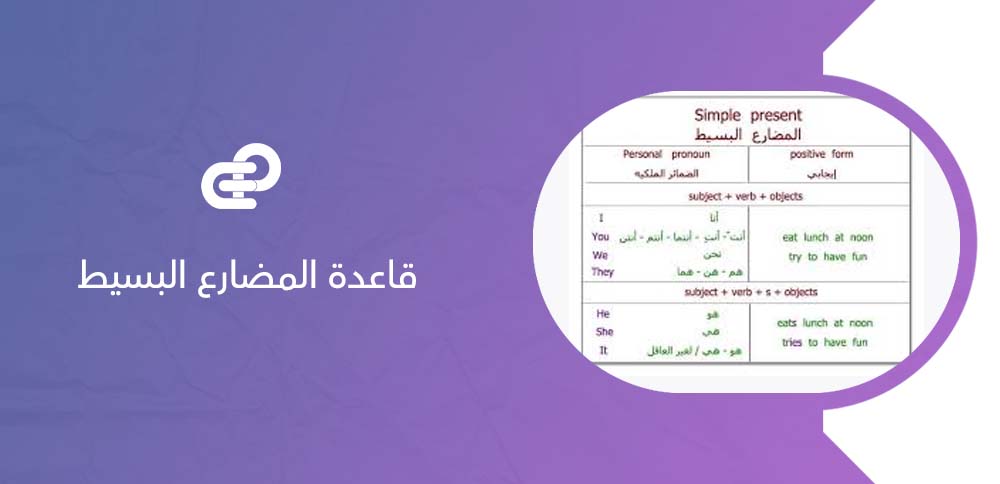
- نستخدم الفعل الأساسي مع الضمائر I, you, we, they دون أي إضافات.
- نضيف -s أو -es للفعل عندما يكون الفاعل مفردًا مثل he, she, it.
- من المهم الانتباه إلى أن هذه الإضافة مقتصرة على الجمل المثبتة فقط، ولا تُستخدم في النفي أو السؤال.
أمثلة:
- I study English.
- He reads books.
- She goes to school every day.
كيف ننفي بالمضارع البسيط؟
في قاعدة المضارع البسيط، نستخدم don’t مع الضمائر (I, you, we, they) وdoesn’t مع (he, she, it)، ثم يأتي الفعل في صورته الأصلية بدون إضافة -s حتى لو كان الفاعل مفردًا. كثيرون يخطئون بإضافة -s للفعل بعد doesn’t، وهو خطأ شائع يجب الانتباه إليه.
- They don’t play football.
- He doesn’t like chocolate.
- I don’t eat meat.
كيف نشكّل سؤالاً؟
- نبدأ الأداة Do مع (I, you, we, they) أو Does مع (he, she, it).
- نضع بعدها الفاعل ثم الفعل في صورته الأصلية دون -s.
- نختم بعلامة استفهام للإشارة إلى السؤال.
- في الأسئلة، كما في النفي، لا نضيف -s للفعل حتى عندما يكون الفاعل مفردًا.
أمثلة:
- Do you like coffee?
- Does he go to school?
- Do they work every day?
متى نضيف s وes للفعل؟
ما هي القاعدة الأساسية؟
يُضاف حرف s أو es إلى الفعل في زمن المضارع البسيط عندما يكون الفاعل أحد الضمائر he, she, it أو اسماً مفرداً. تحدث هذه الإضافة فقط في الجمل المثبتة، بينما يبقى الفعل في صورته الأصلية في جمل النفي والسؤال مهما كان الضمير المستخدم.
ما الحالات الخاصة؟
- عندما ينتهي الفعل بـ o, ch, sh, ss, x, z نضيف es، مثل: goes, watches, washes.
هذه الإضافة تسهّل النطق وتُحافظ على الانسجام الصوتي بين حروف الفعل واللاحقة.
- إذا انتهى الفعل بحرف y وكان قبله حرف ساكن، نحذف y ونبدلها بـ i ثم نضيف es، مثل: study → studies.
أما إذا سبق الـ y حرف متحرك، نتركها كما هي ونضيف s فقط مثل: play → plays.
- في جميع الأفعال الأخرى التي لا تنطبق عليها هذه القواعد الخاصة، نضيف s ببساطة، مثل: works, plays.
- في النفي والسؤال، يبقى الفعل في شكله الأصلي لأن المساعد do/does يؤدي وظيفة التصريف، مثل: He doesn’t play و Does she work?.
أمثلة تفاعلية متنوعة
- He watches TV. → أضيفت es لأن الفعل ينتهي بـ ch.
- She goes to work. → الفعل ينتهي بـ o، لذا أخذ es.
- The baby cries. → انتهى الفعل بـ y مسبوقاً بحرف ساكن فقلبت إلى i ثم أضيفت es.
- Ali studies English. → نفس القاعدة السابقة للفعل study.
- It rains a lot. → الفعل العادي rain أخذ s فقط، لأنه لا يخضع لأي من الحالات الخاصة.
لاحظوا أن الفعل في جمل مثل He doesn’t play football أو Does she go to school? يبقى في صورته الأصلية؛ فوجود does يلغي الحاجة لإضافة s أو es.
ما الكلمات الدالة على المضارع البسيط؟
هناك مجموعة من الكلمات التي تُستخدم لتمييز قاعدة المضارع البسيط في الجملة، إذ تعبّر عن التكرار أو العادات اليومية. هذه الكلمات تعطي المعنى الزمني للجملة وتساعد على استخدام الفعل بالشكل الصحيح.
من أبرز الكلمات الدالة على المضارع البسيط:
- always – تُستخدم للإشارة إلى عادة تحدث بشكل دائم أو شبه دائم.
- usually – تعبّر عن أمر يحدث غالبًا في معظم الأوقات.
- often – تدل على تكرار الفعل مرات عديدة.
- sometimes – تُظهر أن الفعل يحدث من حين إلى آخر.
- never – تشير إلى أن الفعل لا يحدث أبدًا.
- every day – تدل على التكرار اليومي.
- on Mondays – تُستخدم للدلالة على أيام محددة تتكرر فيها الأفعال.
- generally – تعبّر عن الأمور المعتادة أو العامة.
- rarely – تشير إلى أفعال نادرة الحدوث.
عادةً ما تأتي هذه الكلمات قبل الفعل الأساسي في الجملة، أو في بدايتها أو نهايتها بحسب التركيب. التفريق بين هذه الكلمات وتلك الخاصة بالأزمنة الأخرى يُسهم في اختيار الزمن الصحيح ويساعد على بناء جمل دقيقة عند استخدام قاعدة المضارع البسيط.
أمثلة توضح الاستخدام:
- I always drink coffee in the morning.
- She never eats meat.
- They go to school every day.
ملاحظة: هذه الكلمات تُبرز فكرة التكرار والعادات، وهي جوهر قاعدة المضارع البسيط في اللغة الإنجليزية، إذ تُستخدم للتعبير عن ما نقوم به بانتظام أو بشكل متكرر.
كيف أقارن بين المضارع البسيط والأزمنة الأخرى؟
قاعدة المضارع البسيط تعبّر عن الأفعال التي تحدث بانتظام أو الحقائق الثابتة، بينما يُستخدم الماضي البسيط للحديث عن أفعال أو أحداث وقعت وانتهت في الماضي.
التمييز بينهما ضروري لتجنب الخلط في المعنى، لأن الفعل نفسه يتغيّر دلاليًا بحسب الزمن.
- She walks to school every day. → تدل على عادة يومية مستمرة (مضارع بسيط).
- She walked to school yesterday. → تشير إلى حدث انتهى في الماضي (ماضي بسيط).
يمكن ملاحظة أن الفعل في الماضي البسيط تغيّر إلى الشكل الماضي (walked)، بينما في المضارع البسيط يبقى على حاله مع إضافة -s للفعل عندما يكون الفاعل مفردًا.
ما الفرق مع المضارع المستمر؟
يُستخدم المضارع المستمر للتعبير عن الأفعال الجارية الآن أو التي تحدث مؤقتًا، ويتكوّن من am/is/are + الفعل + ing. أمّا المضارع البسيط فيصف ما يتكرر أو يُعد من العادات.
- He plays now. → تُستخدم هنا صيغة المضارع البسيط للدلالة على العادة، أي أنه يلعب عادةً في هذا الوقت.
- He is playing now. → تُستخدم صيغة المضارع المستمر للدلالة على أن الفعل يحدث في هذه اللحظة تحديدًا.
الفرق بين الزمنين يعتمد على الاستمرارية: فالمضارع المستمر يصف لحظة حاضرة، بينما المضارع البسيط يصف انتظام الفعل أو تكراره.
متى نستخدم كل زمن؟
يمكن تلخيص استخدامات كل زمن كما يلي:
- المضارع البسيط
- الاستخدام: الأفعال المنتظمة، العادات، والحقائق العامة
- مثال: She reads every night.
- الماضي البسيط
- الاستخدام: الأحداث التي وقعت وانتهت في الماضي
- مثال: She read last night.
- المضارع المستمر
- الاستخدام: الأفعال الجارية الآن أو المؤقتة
- مثال: She is reading now.
ما أبرز الأخطاء في قاعدة المضارع البسيط؟
أخطاء إضافة s/es
من أكثر الأخطاء شيوعًا في قاعدة المضارع البسيط إهمال إضافة s مع الفاعل المفرد he/she/it، أو وضعها في غير موضعها مع باقي الضمائر. كثير من المتعلمين ينسون قاعدة الإضافة الخاصة بالأفعال المنتهية بـ -y، -o، -ss، -sh، -ch، -x، مما يؤدي إلى صيغ غير صحيحة.
- مثال خاطئ: He play football every day.
التصحيح: He plays football every day.
- مثال آخر: She go to school by bus.
التصحيح: She goes to school by bus.
عند انتهاء الفعل بحرف y بعد حرف ساكن، يتحول y إلى i ويضاف es، مثل:
- He study English. ❌
→ He studies English. ✅
أما الأفعال المنتهية بـ o، ss، sh، ch، x فنضيف إليها es، مثل:
- He wash his car every weekend. → He washes his car every weekend.
الخلط بين الأزمنة
يحدث كثيرًا أن يُستخدم زمن آخر بدلاً من المضارع البسيط عند الحديث عن الحقائق أو العادات اليومية. هذا الخلط يجعل الجملة تفقد معناها الزمني الصحيح.
على سبيل المثال:
- She is playing tennis every Sunday. ❌
هنا استخدم المتعلم المضارع المستمر بدلاً من المضارع البسيط.
التصحيح: She plays tennis every Sunday. ✅
يُستخدم المضارع البسيط للتعبير عن الأمور الدائمة مثل “The sun rises in the east.” وليس للتصرفات المؤقتة.
أخطاء في تركيب السؤال والنفي
كثيرًا ما يقع المتعلمون في أخطاء عند تكوين السؤال أو صيغة النفي في زمن المضارع البسيط، وخصوصًا في التعامل مع do وdoes.
- استخدام الفعل بدون do/does عند السؤال:
You like coffee? ❌
→ Do you like coffee? ✅
- نسيان قلب الفاعل مع الفعل المساعد في السؤال:
Does she goes to school? ❌
→ Does she go to school? ✅
- في النفي، يُستخدم don’t مع جميع الضمائر عدا he/she/it حيث نستخدم doesn’t:
He don’t like tea. ❌
→ He doesn’t like tea. ✅
أخطاء الترجمة من اللغة العربية
الترجمة الحرفية من العربية إلى الإنجليزية تسبب أخطاء بارزة في قاعدة المضارع البسيط، مثل إضافة أفعال المساعدة am / is / are قبل الفعل الرئيسي في الجملة المثبتة.
مثال شائع:
- He is go to work every day. ❌
→ He goes to work every day. ✅
الفعل الأساسي في المضارع البسيط لا يسبقه أي فعل مساعد في الجمل المثبتة، بل يأتي مباشرة بعد الفاعل مع مراعاة الإضافة الصحيحة عند الحاجة. بهذه الطريقة تبقى الجمل صحيحة وسلسة في تركيبها ومعناها.
كيف أتقن قاعدة المضارع البسيط عمليًا؟
إتقان قاعدة المضارع البسيط يتطلب ممارسة منتظمة وتطبيقًا واقعيًا في المواقف اليومية. يمكن اتباع مجموعة من الطرق الفعالة، منها:
- كتابة جمل تصف الروتين اليومي أو العادات، مثل: I wake up early every day أو She drinks coffee in the morning.
- قراءة نصوص قصيرة وإعادة صياغتها بالكامل لتكون جميع الأفعال فيها بصيغة المضارع البسيط.
- تخصيص دفتر صغير لتدوين جمل جديدة يوميًا تتعلق بالحياة الشخصية أو الأنشطة الأسبوعية.
- التركيز على الفعل والفاعل في كل جملة لملاحظة متى تتم إضافة "-s" أو "-es" في نهاية الفعل.
استخدام البطاقات وإنشاء جمل
الاعتماد على البطاقات التعليمية طريقة عملية لتعميق الفهم. يمكن التعامل معها بالخطوات التالية:
- إعداد بطاقات تتضمن الأفعال في جانب، والضمائر في الجانب الآخر.
- مطابقة الأفعال مع الضمائر المناسبة لتكوين جمل صحيحة، مثل:
- He plays football every Sunday.
- They study English in the evening.
- إعادة ترتيب البطاقات لتكوين جمل جديدة بمفردات مختلفة، مما ينشّط الذاكرة ويُنمّي المرونة اللغوية.
- كتابة الجمل الناتجة في دفتر المراجعة اليومي وتكرارها بصوت عالٍ لتثبيت النطق والاستخدام الصحيح.
التدريب على المحادثة والاستماع
الممارسة الشفوية عنصر أساسي لتطبيق القاعدة بسهولة. يمكنكم الاستماع إلى ملفات صوتية أو فيديوهات تتحدث عن الروتين اليومي والتركيز على الفعل المستخدم في كل جملة. حاولوا تقليد النطق والإيقاع الطبيعي للجمل.
نصائح مفيدة:
- تدربوا على طرح الأسئلة والإجابات القصيرة، مثل: Do you play football? – Yes, I do.
- كرروا العبارات التي تسمعونها مع الانتباه إلى اختلاف استخدام الفعل مع الضمائر المختلفة.
- شاركوا في محادثات قصيرة مع زملائكم لتطبيق القاعدة في سياق حقيقي.
دور التطبيقات والمنصات التعليمية
توفر التطبيقات التعليمية بيئة تفاعلية لتقوية قاعدة المضارع البسيط من خلال تمارين وتصحيح فوري. من أبرز المنصات المفيدة في هذا المجال: Wall Street English، English Central، وEF، حيث تتيح ممارسة الاستماع، القراءة، والنطق ضمن مواقف يومية.
تُسهم هذه التطبيقات في تعزيز الفهم العملي للقاعدة من خلال المحادثات المحاكية للواقع. ينصح بالمواظبة على التدريب اليومي والمراجعة المستمرة بدلاً من الاكتفاء بالجانب النظري، لأن التطبيق الواقعي هو ما يجعل القاعدة جزءًا طبيعيًا من الاستخدام اليومي للغة.
ما دور أكاديمية إنقلش بليس في تسهيل تعلم القاعدة؟
منذ عام 2009، تواصل أكاديمية انقلش بليس دعم المتعلمين العرب في رحلتهم لإتقان اللغة الإنجليزية عن بعد، من خلال برامج تعليمية تفاعلية تجمع بين الخبرة الأكاديمية والتقنيات الحديثة في التعليم الإلكتروني.
تعمل الأكاديمية على تبسيط قاعدة المضارع البسيط بشكل واضح وسلس، حيث يقدم المدرسون شروحات دقيقة مدعومة بأمثلة واقعية من الحياة اليومية تبرز استخدام الزمن في مواقف متعددة، مما يجعل الفهم أسهل والتطبيق أكثر طبيعية.
يجد المتعلمون في الأكاديمية دروسًا متنوعة تغطي جميع المستويات، إذ تجمع بين المحتوى المرئي والمسموع لتوضيح القواعد والمحادثات وأساليب القراءة والكتابة. كما تُضمّن التمارين التفاعلية لتثبيت الفهم واختبار المهارات فورًا بعد كل درس.
تعتمد إنقلش بليس على المقارنة العملية بين قاعدة المضارع البسيط وبقية الأزمنة، مع تصحيح الأخطاء الشائعة بطريقة محفزة تساعد الطلاب على تجنّبها في الاستخدام المستقبلي. ويُعزَّز ذلك بعدد من الأنشطة العملية والاختبارات القصيرة لضمان التطبيق الفعلي للقاعدة.
بفضل هذا النهج التطبيقي المباشر، أصبحت الأكاديمية منصة موثوقة لتعلّم الإنجليزية بسهولة عبر الإنترنت لجميع الأعمار، حيث يكتسب الطلاب الثقة في استخدام المضارع البسيط في المحادثة والكتابة دون تردد أو ملل.
الأسئلة الشائعة حول قاعدة المضارع البسيط
ما هي قاعدة المضارع البسيط؟
قاعدة المضارع البسيط تُستخدم للتعبير عن الحقائق العامة والعادات المتكررة والأحداث التي لا تتغير بمرور الزمن. تعتمد على الفعل في صورته الأساسية، ويُضاف إليه s أو es مع الضمائر he، she، it فقط.
ما هي قواعد نطق المضارع البسيط؟
نهاية الفعل في المضارع البسيط تُنطق بطرق مختلفة عند إضافة s وفقًا للصوت الذي يسبقها، تُنطق /s/ بعد الأصوات الصامتة مثل: works – talks، تُنطق /z/ بعد الحروف المتحركة أو الأصوات المجهورة مثل: plays – moves، تُنطق /iz/ بعد الأصوات الشبيهة بـ sh, ch, s, x مثل: washes – fixes – watches.
متى نضع s وes في المضارع البسيط؟
نضيف s عندما يكون الفعل مع he أو she أو it، بينما نضيف es إذا انتهى الفعل بـ o، ch، sh، x، s، z، وتتحول y إلى ies إذا سبقها حرف ساكن مثل: study → studies.
الخلاصة
قاعدة المضارع البسيط هي الأساس الذي يقوم عليه بناء اللغة الإنجليزية اليومية، فهي الأداة الأولى للتعبير عن العادات والحقائق العامة والروتين. إتقان استخدامها يمنحكم وضوحًا في التواصل ودقة في نقل المعنى، إذ تُعد بمثابة المدخل إلى فهم بقية الأزمنة والقواعد التي تتطور حولها.
اقرأ أيضًا:
تعليقات:
لا يوجد تعليقات
[[c.user.fullname]]
[[reply.user.fullname]]