Mastering the Present Continuous tense is a crucial step for anyone looking to speak and write in English with confidence. Many learners face challenges when using this tense, especially when it comes to expressing actions occurring right now or temporary activities that are ongoing but not yet finished. Sometimes, there is confusion between the Present Continuous and the Present Simple tenses, making it difficult to choose the correct tense in daily conversations or writing.

This article focuses on clarifying the Present Continuous tense in a practical and simplified manner, with a detailed explanation of its core topics, common mistakes made by learners, and a clear comparison with the Present Simple tense. It also provides easy steps to help you master it, along with practical exercises to enhance understanding and boost confidence in using the tense correctly during speaking or writing.

What is the Present Continuous tense?

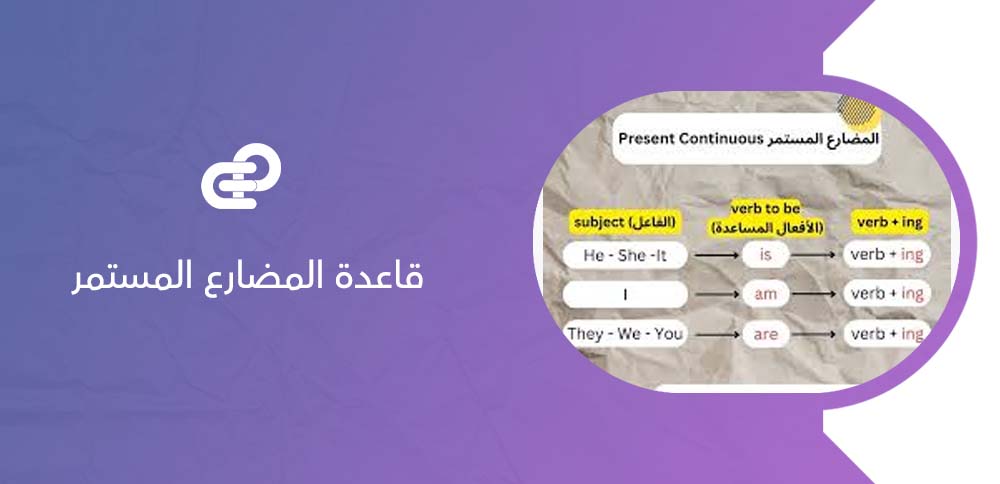
The Present Continuous tense is used to describe actions that are happening right now or temporary events that are still ongoing. It is based on using one of the forms of the verb to be (am / is / are) combined with the base verb + ing.

How do we form a sentence in the Present Continuous tense?

The basic structure of the Present Continuous tense is:
Subject + am / is / are + verb + ing

You need to choose the correct auxiliary verb:

  • Iam

  • He / She / Itis

  • You / We / Theyare

Examples:

  • I am studying now.

  • She is cooking dinner.

  • They are playing in the park.

How do we form affirmative sentences in the Present Continuous tense?

In affirmative sentences, we describe actions happening now in a positive way, as follows:
Subject + am / is / are + verb-ing

Examples:

  • I am eating.

  • He is watching TV.

  • We are learning English.

In each example, the base verb has been modified with -ing, and the auxiliary verb changes based on the subject. This form indicates that the action is happening right now or is continuous for a short period.

How do we form a negative sentence in the Present Continuous tense?

To form a negative sentence, we add not after the auxiliary verb:
Subject + am / is / are + not + verb-ing

Examples:

  • She is not reading.

  • I am not working today.

  • They are not sleeping.

This form is used when we want to emphasize that the action is not happening at the moment, although it might occur at other times.

How do we form a question in the Present Continuous tense?

To form a question in the Present Continuous tense, we place the auxiliary verb Do (for I, you, we, they) or Does (for he, she, it) at the beginning of the sentence, followed by the subject, then the verb in its base form, and end the sentence with a question mark. In both questions and negative sentences, we do not add -s to the verb, even when the subject is singular.

Examples:

  • Are they playing?

  • Is he driving to work?

  • Am I talking too fast?

When do we use the Present Continuous tense?

The Present Continuous tense is used when we talk about actions happening at the moment of speaking or during a temporary period. It focuses on ongoing activities or events that are not yet completed.

The difference between the Present Continuous tense and the Present Simple tense is that the Present Continuous emphasizes the ongoing nature of an action, whereas the Present Simple refers to habits or facts that are regular or permanent.

Examples showing the use:

  • She is eating. (She is currently eating right now.)

  • They are studying at the moment. (They are studying right now.)

It's important to note that this tense is not typically used with verbs expressing mental states or feelings, such as know, want, believe, since these do not represent ongoing actions.

Can the Present Continuous tense talk about the future?

Yes, the Present Continuous tense can be used to talk about planned events or activities in the future that are scheduled or confirmed. In this case, the event has not yet occurred but is expected to happen.

For example: I am meeting my friend tonight. (I have plans to meet my friend tonight.)

What are the time indicators for the Present Continuous tense?

There are several time indicators that help identify the use of the Present Continuous tense, as they generally refer to the present moment or near future:

  • now: Used when the action is happening right at this moment.

  • right now: Emphasizes that the action is happening exactly at this second.

  • at the moment: Refers to a temporary period close to the present time.

  • today: Indicates ongoing actions throughout the current day.

  • currently: Refers to an ongoing action happening at the moment.

Using these time words clarifies that the action is happening now or within a limited time frame.

How do we form the verb with ing?

When applying the Present Continuous tense, it is important to know the correct way to add ing to the verb. Here are some key spelling rules:

  • If the verb ends in a silent e, we remove the e before adding ing.
    Example: comecoming
    Many learners mistakenly write comeing, which is incorrect.

  • If the verb ends in ie, we change it to y before adding ing.
    Example: diedying
    A common mistake is writing dieing.

  • If the verb has a single syllable and ends in a consonant preceded by a short vowel, we double the last consonant before adding ing.
    Example: runrunning
    However, verbs like open do not double the last consonant: openopening.

These spelling rules are crucial for forming the correct ing form of a verb in the Present Continuous tense and avoiding common spelling mistakes.

What are the important exceptions?

Some verbs deviate slightly from the general rule and should be remembered when writing:

  • Verbs ending in w, x, y do not double the last letter, even when preceded by a vowel.
    Examples: showshowing, fixfixing, playplaying.

  • Verbs that end in e are not dropped when adding ing.
    Example: seeseeing, bebeing.

  • Verbs with more complex endings may vary in applying the rule depending on pronunciation.
    Example: traveltravelling (in British English) or traveling (in American English).

These exceptions help ensure correct usage of the ing form when expressing continuous actions in English.

What is the difference between the Present Continuous tense and the Present Simple tense?

The Present Simple tense is used for habitual actions or facts that are repeated or constant over time, while the Present Continuous tense is used to describe actions happening right now or temporary situations that have not yet finished.

Examples:

  • He goes to work every day → This expresses a regular habit (Present Simple).

  • He is going to work now → This describes an action happening right now (Present Continuous).

This distinction highlights that the Present Simple refers to routines and stability, while the Present Continuous describes ongoing actions tied to the present moment.

How do the structures differ?

  • Present Simple: The base form of the verb, adding s for third-person singular subjects.
    Example: He eats breakfast at 7.

  • Present Continuous: am / is / are + verb-ing
    Example: He is eating breakfast now.

The Present Simple tense relies on the base form of the verb with slight modifications, while the Present Continuous requires an auxiliary verb that reflects the present ongoing state of the action.

What are the situations where the Present Continuous tense is not used?

There are several verbs that do not usually appear in the Present Continuous tense because they express states or feelings rather than actions. Some of the most common examples include:

  • Like: We don’t say He is liking music; we say He likes music.

  • Know: We don’t use it in the continuous form; we say I know the answer.

  • Have (meaning possession): She has a car.

  • Feel and see when used in their sensory meanings, like I feel tired or I see the mountain.

These verbs express perception or mental states and are not typically described as ongoing actions.

How do I distinguish between the two tenses in context?

Context and time indicators help determine the correct tense. Words like always, every day, and usually generally indicate the Present Simple tense because they refer to repetition or routines. Words like now, at the moment, and right now are typically associated with the Present Continuous tense, indicating immediate action.

Distinguishing between the two becomes easier when the entire sentence is read and the time indicators and overall action meaning are considered.

How can I learn the Present Continuous tense effectively?

To master the Present Continuous tense, it's important to focus on exercises that combine understanding with practical application. Some of the most effective methods include:

  • Fill-in-the-blank exercises that require selecting the correct verb tense, reinforcing sentence structure.

  • Exercises where you transform sentences from one tense to another, such as changing sentences from past to present continuous, which helps compare the two tenses.

  • Multiple-choice questions that test your speed and accuracy in recognizing and applying the rule in various contexts.

Ongoing practice with these types of exercises will help cement the Present Continuous tense for spontaneous use in both writing and speaking.

Are educational videos helpful?

Yes, educational videos are a great tool for understanding the Present Continuous tense. They combine sound and visuals to explain real-life situations where this tense is used. Watching these videos allows you to hear the pronunciation of verbs, understand the structure, and see how it’s applied naturally, making learning more interactive and connected to everyday life.

Are group activities useful?

Group activities, such as interactive conversations or language games, help transform theoretical knowledge into practical skills. Engaging with others allows you to use the Present Continuous tense in real-life dialogues, enhancing fluency and reducing hesitation when speaking.

How do I do self-assessment?

To ensure real progress in learning the Present Continuous tense, you can follow systematic self-assessment steps:

  • Analyze the results of exercises to identify recurring mistakes and focus on correcting them.

  • Use weekly evaluations to measure improvement and pinpoint areas that need more review.

  • Keep track of mistakes and teacher feedback to stay aware of your progress and make the most of the feedback provided.

Regular review and application of the Present Continuous tense in real-life sentences will help cement the rule in long-term memory.

What role does English Place Academy play in mastering the Present Continuous tense?

English Place Academy has been a leader in teaching English online since 2009, offering an integrated educational experience. The academy focuses on simplifying the Present Continuous tense in a clear and smooth manner, providing detailed explanations and real-life examples that highlight its use in various situations.

By focusing on practical application, English Place Academy ensures that students gain confidence in using the Present Continuous tense in both conversation and writing without hesitation.

Frequently Asked Questions about the Present Continuous tense

What is the Present Continuous tense?
The Present Continuous tense is used to express actions that are happening right now or during a temporary period. It is formed by using am / is / are followed by the verb + ing. For example: He is eating.

How can I identify the Present Continuous tense?
You can identify the Present Continuous tense by the presence of am / is / are before the base verb, followed by -ing. For example: She is reading.

What is the Present Perfect Continuous tense?
The Present Perfect Continuous tense is formed by have / has been + the verb + ing and is used to describe actions that started in the past and are still continuing. For example: She has been running.

Conclusion

The Present Continuous tense is a fundamental part of learning English as it allows you to express ongoing actions or temporary events. Mastering this tense will give you the ability to describe actions happening in the present with ease and fluency.

يواجه العديد من متعلمي اللغة الإنجليزية صعوبة في فهم قاعدة المضارع المستمر واستخدامها في المواقف اليومية، خاصة عند التعبير عن أحداث تدور في اللحظة الحالية أو أنشطة مؤقتة قد تتغير قريبًا. يختلط الأمر أحيانًا بين المضارع المستمر والمضارع البسيط، مما يجعل اختيار القاعدة الصحيحة تحديًا حقيقيًا في التواصل اليومي أو أثناء الكتابة.

يركّز هذا المقال على توضيح قاعدة المضارع المستمر بأسلوب عملي ومبسط، مع شرح دقيق لمواضيعها الأساسية وأبرز الأخطاء التي يقع فيها المتعلمون. كما يحتوي على مقارنة واضحة مع قاعدة المضارع البسيط، إضافة إلى خطوات سهلة تساعدكم على إتقانها، وتمارين تطبيقية تدعم الفهم وتُعزز الثقة في استخدام القاعدة بشكل طبيعي وصحيح أثناء التحدث أو الكتابة.

ما هي قاعدة المضارع المستمر؟

تُستخدم قاعدة المضارع المستمر للتعبير عن حدث يحدث الآن أو أثناء الحديث، وأحيانًا لحدث مؤقت مستمر لم ينتهِ بعد. تعتمد هذه القاعدة على استخدام أحد أفعال to be في المضارع (am / is / are) مع الفعل الرئيسي مضافًا إليه ing.

ما تركيب الجملة؟

التركيب الأساسي للمضارع المستمر هو:

  • الفاعل + am / is / are + الفعل + ing

ويجب الانتباه إلى اختيار الفعل المساعد المناسب:

  • I → am
  • He / She / It → is
  • You / We / They → are

أمثلة:

  • I am studying now.
  • She is cooking dinner.
  • They are playing in the park.

كيف نصيغ الإثبات؟

الصيغة الإيجابية تُستخدم عندما نصف فعلًا يحدث الآن بطريقة مثبتة، على النحو الآتي:

Subject + am / is / are + verb-ing

أمثلة:

  • I am eating.
  • He is watching TV.
  • We are learning English.

في كل مثال نلاحظ أن الفعل الأساسي أُضيفت إليه ing، وأن الفعل المساعد اختلف وفق الفاعل. هذه الصيغة تُظهر أن الحدث جارٍ في اللحظة نفسها أو مستمر لفترة قصيرة.

كيف نصيغ النفي؟

لصياغة الجملة المنفية في المضارع المستمر نضيف not بعد الفعل المساعد:

Subject + am / is / are + not + verb-ing

أمثلة:

  • She is not reading.
  • I am not working today.
  • They are not sleeping.

تُستخدم هذه الصيغة عندما نريد التأكيد على أن الفعل لا يحدث في الوقت الراهن، رغم أنه قد يحدث عادة في أوقات أخرى.

كيف نصيغ السؤال؟

عند تكوين السؤال في المضارع المستمر، نضع الفعل المساعد في بداية الجملة يليه الفاعل ثم الفعل مضافًا إليه ing:

Am / Is / Are + subject + verb-ing?

أمثلة:

  • Are they playing?
  • Is he driving to work?
  • Am I talking too fast?

يُستخدم هذا النمط للاستفهام عن الأفعال الجارية في الوقت الحالي أو عن نشاط مؤقت يفعله الفاعل الآن.

متى نستخدم قاعدة المضارع المستمر؟

تُستخدم قاعدة المضارع المستمر عندما نتحدث عن فعل يحدث في اللحظة الحالية أو في فترة زمنية مؤقتة. هذا الزمن يعبّر عن النشاط الجاري الذي ما زال مستمرًا ولم يكتمل بعد.

ويظهر الفرق بينه وبين المضارع البسيط في أن المضارع المستمر يركّز على الحدث الجاري، بينما المضارع البسيط يصف العادات والحقائق الثابتة.

أمثلة توضح الاستخدام:

  • She is eating. (هي تأكل الآن.)
  • They are studying at the moment. (هم يدرسون في هذه اللحظة.)

من المهم ملاحظة أن هذا الزمن لا يُستخدم عادةً مع الأفعال التي تعبّر عن الحالة الذهنية أو الشعور، مثل: know، want، believe، لأنها لا تعبّر عن أفعال تمتد على فترة زمنية.

هل يمكن الحديث عن المستقبل؟

نعم، يمكن استخدام المضارع المستمر للتعبير عن أحداث مستقبلية مخطط لها مسبقًا أو مرتبطة بجدول زمني واضح. في هذه الحالة، يُفهم من السياق أن الحدث لم يقع بعد، لكنه مؤكد أو مبرمج.

مثلًا: I am meeting my friend tonight. (سأقابل صديقي الليلة.)

ما الكلمات الدالة؟

هناك مجموعة من الكلمات الدالة تساعد على تمييز استخدام قاعدة المضارع المستمر، وتشير عادةً إلى الزمن الحالي أو القريب:

  • now: تُستخدم عندما يكون الفعل قيد الحدوث في نفس اللحظة.
  • right now: تؤكد على أن الفعل يجري تمامًا في هذه الثانية.
  • at the moment: تدل على فترة زمنية مؤقتة قريبة من الحاضر.
  • today: تشير إلى أحداث مستمرة خلال يومنا الحالي.
  • currently: تعبّر عن نشاط قائم في الوقت الراهن.

استخدام هذه الكلمات يجعل الجملة أكثر وضوحًا في الإشارة إلى أن الفعل يحدث الآن أو خلال فترة زمنية محدودة.

كيف نكوّن الفعل مع ing؟

عند تطبيق قاعدة المضارع المستمر، يجب الانتباه إلى الطريقة الصحيحة لإضافة ‎ing‎ إلى الفعل الأساسي. وتتضمن القواعد الإملائية الأساسية ما يلي:

  • إذا انتهى الفعل بحرف ‎e‎ صامت، نحذف هذا الحرف قبل إضافة ‎ing‎.

مثال: come → coming

كثير من المتعلمين يخطئون بكتابة comeing، وهي غير صحيحة.

  • إذا انتهى الفعل بـ ‎ie‎، يتحول هذا المقطع إلى ‎y‎ قبل إضافة ‎ing‎.

مثال: die → dying

الخطأ الشائع هنا هو الاحتفاظ بـ ie وكتابة dieing.

  • إذا كان الفعل من مقطع واحد وينتهي بحرف صامت يسبقه حرف متحرّك، نضاعف الحرف الأخير قبل إضافة ‎ing‎.

مثال: run → running

أما الفعل المفتوح المقطع مثل open فلا يُضاعف فيه الحرف: open → opening.

هذه القواعد الإملائية هي الأساس في تكوين الفعل الصحيح مع ‎ing‎ ضمن زمن المضارع المستمر، وتجنب الأخطاء الإملائية الشائعة.

ما الاستثناءات المهمة؟

بعض الأفعال تخرج قليلاً عن القاعدة العامة، ويجب حفظها وملاحظتها أثناء الكتابة:

  1. الأفعال المنتهية بـ w، x، y لا تُضاعف حروفها الأخيرة حتى لو سبقتها حروف متحركة.

أمثلة: show → showing، fix → fixing، play → playing.

  1. الأفعال التي تنتهي بحرف e يُنطق لا نحذف e منها.

مثال: see → seeing، be → being.

  1. الأفعال ذات النهايات المعقدة قد تتفاوت في تطبيق القاعدة حسب النطق.

مثال: travel → travelling (في الإنجليزية البريطانية) أو traveling (في الأمريكية).

هذه الاستثناءات تساعد على استخدام صيغة ‎ing‎ بدقة عند التعبير عن الأفعال المستمرة في اللغة الإنجليزية.

ما الفرق بين قاعدة المضارع المستمر والمضارع البسيط؟

يُستخدم المضارع البسيط للتعبير عن الأفعال المتكررة أو الدائمة، مثل العادات اليومية، الجداول الزمنية، أو الحقائق العامة. بينما يُستخدم المضارع المستمر لوصف الأفعال التي تحدث في اللحظة الحالية أو المواقف المؤقتة التي لم تنتهِ بعد.

  • He goes to work every day: تعبير عن عادة متكررة.
  • He is going to work now: يصف فعلًا يجري في الوقت الحالي.

بهذا يمكن القول إن المضارع البسيط يعكس الروتين والثبات، بينما المضارع المستمر يعبر عن النشاط الحالي المرتبط باللحظة.

كيف تختلف الصياغة؟

  • المضارع البسيط
    • القاعدة: الفعل في صورته الأساسية، مع إضافة s للغائب المفرد
    • مثال: He eats breakfast at 7.
  • المضارع المستمر
    • القاعدة: am / is / are + verb-ing
    • مثال: He is eating breakfast now.

توضّح هذه الصياغة أن المضارع البسيط يعتمد على الفعل المجرد مع تعديلات بسيطة، في حين يتطلب المضارع المستمر فعلاً مساعدًا يعكس الحالة الزمنية الحالية المرتبطة بالحدث.

ما الحالات التي لا تستخدم فيها قاعدة المضارع المستمر؟

هناك مجموعة من الأفعال لا تأتي عادة في قاعدة المضارع المستمر لأنها تعبّر عن حالات أو مشاعر لا تُعتبر أفعالًا جارية. ومن أبرزها:

  • Like: لا يُقال He is liking music بل He likes music.
  • Know: لا تُستخدم في المستمر، فنقول I know the answer.
  • Have بمعنى الملكية: She has a car.
  • Feel وsee عندما تُستخدم بمعناهما الحسي، مثل I feel tired أو I see the mountain.

هذه الأفعال تعبّر عن إدراك أو حالة ذهنية ولا تصف فعلًا يحدث فعليًا في الوقت الحالي.

كيف نميز بين الزمنين في السياق؟

يُساعد السياق اللغوي والكلمات الدالة في تحديد الزمن الصحيح. فالكلمات مثل always، every day، وusually تشير غالبًا إلى المضارع البسيط لأنها تعبر عن التكرار أو الروتين.

أما كلمات مثل now، at the moment، وright now فترتبط عادةً بـ المضارع المستمر لأنها تدل على الزمن الحاضر الفوري.

التمييز بينهما يصبح أسهل عندما تُقرأ الجملة ككل وتُلاحظ الإشارات الزمنية والمعنى العام للفعل.

كيف أتعلم قاعدة المضارع المستمر بفعالية؟

لكي تتقنوا قاعدة المضارع المستمر بعمق، من المهم التركيز على التمارين التي تدمج الفهم بالممارسة الفعلية. من أكثر الأساليب فاعلية ما يلي:

  • تمارين ملء الفراغات التي تُلزمكم باختيار الفعل الصحيح في الزمن المناسب، مما يعزز فهم تركيب الجملة.
  • تمارين تحويل الجمل من زمن إلى آخر، مثل تحويل الجمل من الماضي إلى المضارع المستمر، لتقوية القدرة على المقارنة بين الأزمنة.
  • أسئلة الاختيار من متعدد التي تختبر سرعة الاستجابة ودقة الملاحظة في تحديد استخدام القاعدة في سياقات متنوعة.

الاستمرار في التدريب بهذه الأنواع من التمارين يساعد على ترسيخ استخدام المضارع المستمر في الكتابة والتحدث تلقائيًا.

هل تساعد الفيديوهات التعليمية؟

نعم، الفيديوهات التعليمية تُعد أداة فعالة لفهم قاعدة المضارع المستمر، إذ تجمع بين الصوت والصورة لتوضيح المواقف الواقعية التي يُستخدم فيها هذا الزمن. من خلال المشاهدة، يمكنكم ملاحظة كيفية نطق الأفعال، واستيعاب التراكيب والسياقات بطريقة طبيعية وسهلة الحفظ، ما يجعل التعلم أكثر تفاعلاً وارتباطًا بالحياة اليومية.

هل الأنشطة الجماعية مفيدة؟

الأنشطة الجماعية، كالمحادثات التفاعلية أو الألعاب اللغوية، تُسهم في تحويل المعرفة النظرية إلى مهارة فعلية. المشاركة مع الآخرين تتيح لكم استخدام قاعدة المضارع المستمر في مواقف حوارية حقيقية، مما يعزز الطلاقة ويقلل من التردد عند التحدث.

كيف أقوم بالتقييم الذاتي؟

لضمان تقدم فعلي في تعلم قاعدة المضارع المستمر، يمكن اتباع خطوات تقييم ذاتي منهجية تشمل:

  • تحليل نتائج التمارين لمعرفة الأخطاء المتكررة والتركيز على تصحيحها.
  • استخدام تقييمات أسبوعية لقياس مدى التحسن وتحديد الجوانب التي تحتاج إلى مراجعة إضافية.
  • تدوين الأخطاء وملاحظات المعلم كي تبقوا على وعي بمسار تطوركم وتستفيدوا من التغذية الراجعة.
  • الاعتماد على التكرار والمراجعة الدورية، وتطبيق القاعدة في جمل واقعية من حياتكم اليومية لترسيخها في الذاكرة طويلة الأمد.

ما دور أكاديمية انجلش بليس في تعلم قاعدة المضارع المستمر؟

تُعد أكاديمية انقلش بليس منصة رائدة في تعليم اللغة الإنجليزية عبر الإنترنت منذ تأسيسها عام 2009، بوصفها أول جهة في الوطن العربي تتيح تجربة تعليمية متكاملة عن بعد. تضم الأكاديمية نخبة من الأكاديميين المثاليين، ما يمنح المتعلمين فرصة فريدة لاكتساب قاعدة المضارع المستمر وفق منهج يجمع بين الأصالة والمعايير العالمية الحديثة. كما توفر برامج شاملة ومصممة لتناسب مختلف المستويات، مما يضمن انتقالًا سلسًا من فهم الأساسيات إلى التطبيق العملي المتقن.

ما طرق التعليم المقدمة؟

يعتمد التعليم في الأكاديمية على تنوع الأساليب لضمان ترسيخ قاعدة المضارع المستمر بشكل فعّال من خلال:

  • الدروس المباشرة التي تتيح التفاعل الفوري مع المدرس، حيث يمكن تطبيق القواعد عند التحدث والاستماع.
  • التمارين التفاعلية المصححة التي تساعد على تقييم الفهم الذاتي وتوضيح الأخطاء فورًا، ما يعزز التعلم الذاتي المنضبط.
  • الفيديوهات التعليمية التي تشرح قاعدة المضارع المستمر بأسلوب بصري مبسط، مما يسهل استيعاب تراكيب الأزمنة واستخدامها الصحيح.
  • الأنشطة الجماعية التي تحفز المتعلمين على استخدام القاعدة في مواقف حقيقية داخل مجموعات تعلم افتراضية.
  • النقاشات الافتراضية التي تُدمج القواعد بالمحادثة اليومية، لتطوير الثقة في التعبير باستخدام زمن المضارع المستمر.

كما تسمح المنصة للطلاب بمراجعة الدروس وفق جداولهم الخاصة، وبعدد المرات اللازم لترسيخ المعلومة، مما يعزز الاستيعاب العملي طويل الأمد.

الأسئلة الشائعة حول قاعدة المضارع المستمر

ما هي قاعدة زمن المضارع المستمر؟

قاعدة زمن المضارع المستمر تقوم على استخدام الأفعال المساعدة am / is / are متبوعة بالفعل مضافًا إليه -ing للدلالة على حدث مستمر يحدث في الوقت الحالي أو حوله. على سبيل المثال: He is eating. أي "هو يأكل الآن".

كيف أعرف أن الجملة مضارع مستمر؟

يمكن التأكد من أن الجملة في زمن المضارع المستمر من خلال وجود أحد الأفعال المساعدة am / is / are قبل الفعل الرئيس مضافًا إليه -ing. على سبيل المثال: She is reading. تعني "هي تقرأ الآن". كلما اجتمع هذان العنصران، كان الفعل في صيغة المضارع المستمر.

ما هي قاعدة زمن المضارع التام المستمر؟

قاعدة زمن المضارع التام المستمر تتكون من: have / has been + الفعل مضافًا إليه ing، وتُستخدم للدلالة على فعل بدأ في الماضي وما زال مستمرًا حتى الآن. مثال: She has been running. أي "هي كانت تركض وما زالت مستمرة في ذلك".

الخلاصة

قاعدة المضارع المستمر تُعد من الركائز الأساسية في تعلم اللغة الإنجليزية، إذ تُستخدم للتعبير عن الأفعال التي تحدث في اللحظة الحالية أو المواقف المؤقتة. إتقان هذه القاعدة يمنحكم قدرة أكبر على وصف الأحداث الجارية والتفاعل بطلاقة في المحادثات اليومية.

اقرأ أيضًا:


[[likesCount]]
[[commentsCount]]
[[viewsCount]]
2026-01-13 13:51:21
مشاركة: