The demand for learning Beginner levels of English has been increasing due to the growing need to master the language for work, study, and travel. English has become a bridge that connects individuals to new opportunities and diverse fields, but many beginners find themselves confused when it comes to determining the appropriate starting level or choosing the method that aligns with their abilities and ambitions.

In this article, you will find a clear guide explaining Beginner levels of English according to the Common European Framework of Reference (CEFR), along with an explanation of the essential skills required at each level.

What Are the Beginner Levels of English?

Beginner levels of English, according to the CEFR, include two main stages: A1 and A2. These two stages represent the starting point for anyone beginning their journey of learning English from scratch. They help learners build a simple language foundation that enables them to communicate in everyday situations.

How Does CEFR Classify Levels?

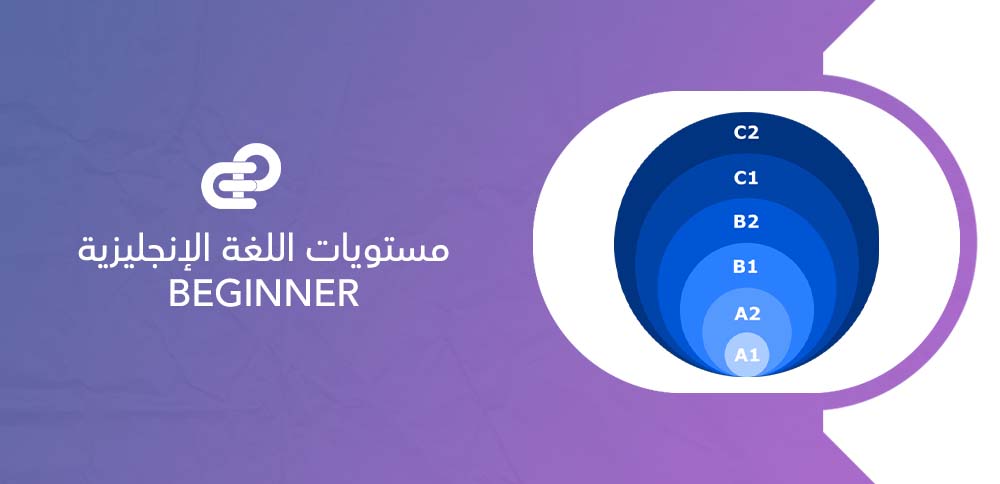
The CEFR divides language proficiency into six main levels, ranging from beginner to advanced, as follows: A1, A2, B1, B2, C1, C2. This classification aims to standardize language proficiency assessment across Europe and worldwide, allowing accurate identification of student levels.

  • A1 (Beginner): Understanding and using basic everyday expressions, and communicating in simple, direct situations.

  • A2 (Elementary): Handling more familiar situations with greater confidence, expanding vocabulary, and understanding simple texts related to daily life.

  • B1 (Pre-intermediate / Intermediate): The ability to interact in general situations, express opinions, and share personal experiences, providing increasing language independence.

  • B2 (Upper Intermediate): Understanding the main content of complex discussions, and actively participating in various dialogues and discussions.

  • C1 (Advanced): Using language fluently in academic and professional contexts with high linguistic accuracy.

  • C2 (Proficient): Mastery of the language, almost native-like in comprehension and expression, reflecting the highest levels of English proficiency in the CEFR.

Characteristics of Each Beginner Level:

  • A1 Level is the starting point for learning English. At this level, learners are introduced to the basics of communication, such as the English alphabet and pronunciation. They start reading simple texts, such as daily phrases and general signs.

    • The learner can introduce themselves, state their name, nationality, and place of residence.

    • They can ask basic questions related to everyday life, such as name, direction, or prices.

    • They can use simple life phrases like greetings, thanks, and farewells.

    • They can write short sentences based on ready-made linguistic templates, such as "My name is…" or "Where is the station?"

  • A2 Level (Elementary) expands the learner’s abilities to include more diverse daily situations, with an increase in vocabulary and fluency in expression.

    • Learners can hold simple conversations in routine situations, such as shopping or traveling.

    • They can understand short texts, such as advertisements, brochures, or simple letters.

    • They can describe their daily routine, talk about family and work using connected sentences.

    • They can write brief personal information, such as registration forms or short notes.

What Skills Are Gained?

  • Listening to clear and simple texts and understanding the general idea.

  • Using daily vocabulary to express basic needs and repetitive situations.

  • Mastering basic verbal interaction by asking and answering questions with confidence.

  • Writing simple information such as addresses, forms, or short descriptive sentences.

  • Understanding short instructions and practical guidance in various life situations.

What Are the Key Basics for Beginners?

  • Listening: Understanding the language through its sounds and correct pronunciation of words, which is the foundation for learning proper pronunciation and understanding conversations.

  • Speaking: Using vocabulary and phrases in daily life situations to develop fluency and self-confidence.

  • Reading: Recognizing words and sentences in simple texts, which helps beginners expand their vocabulary.

  • Writing: Expressing ideas using correct structures and short, clear sentences.

  • Regular practice of all four skills makes learning English at the Beginner level more balanced and effective.

What Vocabulary Does a Beginner Need?

In the early stages, beginners need a set of essential vocabulary that is used daily, including words for self-introduction, greetings, numbers, days of the week, colors, and short phrases like "How are you?" and "Thank you."

Memorizing these words and using them in simple sentences builds confidence and facilitates communication in everyday situations.

How Does Listening Comprehension Develop?

Listening comprehension improves by regularly listening to audio clips or short videos with clear, slow dialogues. It’s preferred that these materials are accompanied by text to make it easier to identify new words and link sounds with written words.

Daily repetition helps distinguish between sounds and intonations, gradually allowing beginners to better understand real-life conversations.

How Does Writing Develop for Beginners?

  • Writing personal information: such as name, age, and address, is the first step in learning to use language in practical situations.

  • Creating short daily sentences: to describe activities or things around them, helping to apply rules and vocabulary.

  • Filling out simple forms: as a real-life experience of using language in formal or everyday contexts.

How Can I Develop My Skills from Beginner to Higher Levels?

To progress from the Beginner level to B1, learners need to build a solid language foundation and then expand their ability to express themselves. This stage begins by reinforcing daily vocabulary and then moving to more diverse topics, such as hobbies, travel, and work. This helps use the language in real situations that require longer and more accurate sentences.

It’s also important to practice simple writing, such as short letters or descriptive texts that describe a place or personal experience. At the same time, listening to dialogues between native speakers should increase, even if the sentences are slightly longer than what the learner is used to in the early stages. All of these activities bring you closer to fluency at the B1 level.

When Should I Focus on Advanced Conversations?

It’s recommended to focus on advanced conversations when reaching the B2 level, as this stage requires fluency and the ability to engage in complex topics. At that point, discussions about work issues or personal opinions become smoother. To strengthen this skill, it’s advised to engage in real conversations or follow interviews and broadcasts in English to understand the variety of accents and conversation styles.

What Additional Skills Are Needed for Higher Levels?

As learners progress to higher levels, the required skills expand, including:

  • Writing professional reports and business letters in a clear and organized style suitable for work environments.

  • Developing the ability to deeply understand specialized texts in fields like technology, economics, or culture.

  • Gaining fluency in complex dialogues with flexibility in choosing vocabulary and structures.

  • Practicing analytical listening to news and audio articles to understand implicit ideas.

What Is the Role of English Place Academy in Teaching Beginners?

English Place Academy is one of the leading digital platforms that specializes in remote English learning. Established in 2009, it offers a complete learning experience designed specifically for all Beginner English levels through to proficiency. The academy stands out as a pioneer in the Arab world, combining highly skilled teachers with a deep understanding of the needs of Arab learners, along with global language teaching standards.

The academy uses comprehensive curricula covering all essential language skills: grammar, speaking, reading, vocabulary, and writing. Lessons are delivered through live and recorded videos, providing learners with complete flexibility in choosing their preferred learning method and schedule. The academy also offers specialized programs to improve listening, writing, and speaking skills.

What Makes English Place Academy Unique?

English Place Academy’s emphasis is on psychological and educational support for beginners. Learners receive guidance from English teachers who specialize in teaching from scratch, helping them overcome initial challenges easily within a supportive environment that focuses on building self-confidence and practical communication skills. This holistic approach ensures that learners progress smoothly from beginner to advanced English levels.

Common Difficulties at the Beginner Level

Beginners often face challenges such as losing motivation after a period of initial enthusiasm. Some may experience slow progress or difficulty memorizing new vocabulary. The lack of a clear plan or specific goals can make the learning path feel scattered and reduce the chances of continuing. Therefore, the success of learners depends on setting small, measurable goals that provide a sense of achievement and varying learning sources to avoid boredom.

How to Overcome Frustration?

  • Setting realistic short-term goals helps measure progress step by step.

  • Finding a study partner, either online or in your environment, to enhance commitment and motivation.

  • Using interactive language learning apps that make the process more fun and smooth.

  • Rewarding yourself after any small achievement creates a positive relationship with the learning experience.

  • Trying individual lessons with specialized teachers to tailor the learning to your real needs.

Is Pronunciation or Listening a Barrier?

Pronunciation difficulties or challenges understanding spoken language are among the most common obstacles at the Beginner level, but they are not permanent barriers. They can be overcome with regular repetition, listening to simple content that fits the beginner level, and consciously mimicking sounds. Using pronunciation correction programs and specialized audio apps can gradually improve performance, while practicing conversations with native speakers or teachers helps build confidence and accelerates acquiring correct intonation.

Frequently Asked Questions about Beginner English Levels

  • What’s the difference between Beginner and Elementary?
    The difference between Beginner and Elementary is that the Beginner level (A1) is the very beginning stage of language learning, where learners can understand and use only very basic expressions. On the other hand, the Elementary level (A2) allows learners to communicate in familiar everyday situations and use more varied texts and sentences.

  • How do I accurately determine my level?
    You can accurately determine your English level through online placement tests or by consulting a certified coach at specialized academies like English Place Academy. These methods will help you pinpoint your position within the CEFR levels and provide you with a suitable learning plan.

Conclusion

The Beginner levels of English, represented by A1 and A2, form the essential foundation for building language skills and developing the ability to communicate confidently. These levels provide learners with the first tools to understand basic vocabulary and structures, paving the way for deeper understanding and more precise use of language in everyday situations.


يتزايد الإقبال على تعلم مستويات اللغة الإنجليزية beginner مع تزايد الحاجة إلى إتقان اللغة في العمل والدراسة والسفر. فاللغة الإنجليزية أصبحت جسرًا يربط الأفراد بفرص جديدة ومجالات متنوعة، لكن كثيرًا من المبتدئين يجدون أنفسهم في حيرة عند تحديد مستوى البداية المناسب لهم أو اختيار المنهج الذي يتماشى مع قدراتهم وطموحاتهم.

في هذا المقال، ستجدون دليلًا واضحًا يشرح مستويات اللغة الإنجليزية beginner وفق الإطار الأوروبي المرجعي CEFR، مع توضيح المهارات الأساسية المطلوبة في كل مستوى. 

ما هي مستويات اللغة الإنجليزية beginner؟

مستويات اللغة الإنجليزية beginner وفق الإطار الأوروبي المرجعي لتعلم اللغات (CEFR) تشمل مرحلتين أساسيتين هما A1 وA2. تمثل هاتان المرحلتان نقطة الانطلاق لكل من يبدأ رحلة تعلم الإنجليزية من الصفر، إذ تساعدان المتعلمين على بناء قاعدة لغوية بسيطة تمكنهم من التواصل في مواقف الحياة اليومية.

كيف يصنف CEFR المستويات؟

الإطار الأوروبي المرجعي لتعلم اللغات CEFR يقسم إجادة اللغة إلى ستة مستويات رئيسية تبدأ من المبتدئ وتنتهي بالمستوى المتقدم جدًا، وهي: A1، A2، B1، B2، C1، C2. يهدف هذا التصنيف إلى توحيد معايير تقييم اللغة في أوروبا والعالم، بحيث يمكن تحديد مستوى الطلاب بدقة.

  • A1 (مبتدئ): فهم واستخدام التعابير اليومية الأساسية، والتواصل في مواقف بسيطة ومباشرة.
  • A2 (ابتدائي): التعامل بثقة أكبر في مواقف مألوفة، وتوسيع المفردات، وفهم نصوص بسيطة تتعلق بالحياة اليومية.
  • B1 (ما قبل المتوسط / Intermediate): القدرة على التفاعل في مواقف عامة، وطرح الآراء والتجارب الشخصية، ويُعد من مستويات اللغة الإنجليزية Intermediate التي تمنح المتعلم استقلالية متزايدة في استخدام اللغة.
  • B2 (متوسط / Upper Intermediate): فهم المحتوى الرئيس للنقاشات المعقدة، والمشاركة بفعالية في الحوارات والمناقشات المختلفة.
  • C1 (متقدم): استخدام اللغة بطلاقة في السياقات الأكاديمية والمهنية مع دقة لغوية عالية.
  • C2 (متقدم جدًا): إتقان اللغة بشكل شبه أصلي في الفهم والتعبير، مما يعكس أعلى مستويات اللغة الإنجليزية في الإطار الأوروبي المرجعي (CEFR).

ما خصائص كل مستوى beginner؟

يُعد مستوى A1 نقطة الانطلاق في تعلم اللغة الإنجليزية، حيث يكتسب المتعلمون أساسيات التواصل الأولى. في هذا المستوى يتعرفون على الحروف الإنجليزية وطريقة نطقها، ويبدؤون بالقراءة البسيطة للنصوص القصيرة مثل الجمل اليومية والإشارات العامة.

  • يستطيع المتعلم تقديم نفسه والتعريف باسمه وجنسيته ومكان سكنه.
  • يتمكن من طرح أسئلة بسيطة تتعلق بالحياة اليومية مثل: الاسم أو الاتجاه أو الأسعار.
  • يتعامل مع عبارات حياتية معتادة مثل التحية، الشكر، والوداع.
  • يمكنه كتابة جمل قصيرة تعتمد على قوالب لغوية جاهزة مثل:
  • My name is…
  • Where is the station?

كل ذلك يمنح المتعلم قدرة أولية على الفهم والتفاعل في مواقف بسيطة جدًا.

ما خصائص مستوى A2؟

في مستوى A2 (Elementary) تتوسع قدرات المتعلم لتشمل مواقف يومية أكثر تنوعًا، مع زيادة المفردات وطلاقة أكبر في التعبير.

  • يتعلم إجراء محادثات بسيطة في مواقف روتينية مثل التسوق أو السفر.
  • يتمكن من فهم نصوص قصيرة مثل الإعلانات أو الكتيبات أو الرسائل البسيطة.
  • يستطيع وصف روتينه اليومي والحديث عن العائلة والعمل باستخدام جمل مترابطة.
  • يتمكن من كتابة بيانات شخصية مختصرة مثل نماذج التسجيل أو الملاحظات القصيرة.

يُعد هذا المستوى تمهيدًا طبيعيًا للانتقال نحو الفهم الأعمق وبناء الثقة في استخدام اللغة في الحياة اليومية.

ما المهارات المكتسبة؟

  • الاستماع للنصوص الواضحة والبسيطة وفهم الفكرة العامة منها.
  • استخدام المفردات اليومية للتعبير عن الاحتياجات الأساسية والمواقف المتكررة.
  • إتقان أساسيات التفاعل الشفوي من خلال طرح الأسئلة والإجابة عنها بثقة.
  • كتابة بيانات بسيطة مثل العناوين أو النماذج أو الجمل الوصفية القصيرة.
  • فهم التعليمات القصيرة والتوجيهات العملية في مواقف الحياة المختلفة.

مع نهاية كل مستوى من مستويات اللغة الإنجليزية beginner، يبدأ المتعلم بالتحضير للانتقال إلى مستوى أكثر تقدّمًا في رحلته اللغوية.

ما الأساسيات المهمة للمبتدئين؟

  • الاستماع: فهم اللغة من خلال أصواتها ونطق كلماتها الطبيعي، وهو الأساس لتعلّم النطق الصحيح وفهم المحادثات.
  • التحدث: استخدام المفردات والعبارات في مواقف الحياة اليومية لتطوير الطلاقة والثقة بالنفس.
  • القراءة: التعرف على الكلمات والجمل في نصوص بسيطة، مما يساعد المبتدئين على توسيع مفرداتهم.
  • الكتابة: التعبير عن الأفكار باستخدام تراكيب صحيحة وجمل قصيرة وواضحة.

الانتظام في تدريب كل مهارة من هذه المهارات الأربع يجعل تعلم اللغة الإنجليزية في المستوى beginner أكثر توازناً وفعالية.

ما المفردات التي يحتاجها المبتدئ؟

في المراحل الأولى، يحتاج المبتدئون إلى مجموعة من المفردات الأساسية التي تُستخدم يومياً، وتشمل كلمات التعريف بالنفس، والتحيات، والأرقام، وأيام الأسبوع، والألوان، والعبارات القصيرة مثل “كيف حالك؟” و”شكرًا”.

يساعد حفظ هذه الكلمات واستخدامها في جمل بسيطة على بناء الثقة وتسهيل التواصل في مواقف الحياة اليومية.

كيف يتطور الفهم السمعي؟

يتحسن الفهم السمعي عند الاستماع بانتظام إلى مقاطع صوتية أو فيديوهات قصيرة تحتوي على حوارات واضحة وبطيئة. يُفضل أن تكون هذه المواد مصحوبة بالنص لتسهيل التعرف على الكلمات الجديدة وربط الصوت بالكتابة.

التكرار اليومي يعزز التمييز بين الأصوات والنبرات، ويجعل المبتدئين أكثر قدرة على فهم المحادثات الواقعية تدريجياً.

كيف يتعلم كتابة بسيطة؟

  1. كتابة البيانات الشخصية: مثل الاسم، والعمر، والعنوان، وهي خطوة أولى لتعلم استخدام اللغة في مواقف عملية.
  2. تكوين جمل يومية قصيرة: لوصف الأنشطة أو الأشياء من حولكم، مما يساعد على تطبيق القواعد والمفردات.
  3. تعبئة استمارات بسيطة: كتجربة حقيقية لاستخدام اللغة في سياقات رسمية أو حياتية.
  4. التكرار والمراجعة: إعادة كتابة الجمل وتصحيح الأخطاء يدعم الاحتفاظ بالمعرفة على المدى الطويل.

الممارسة اليومية المنتظمة في الاستماع، التحدث، القراءة، والكتابة هي المفتاح لتقوية الأساس اللغوي في مستويات اللغة الإنجليزية beginner.

كيف أطور مهاراتي من beginner إلى أعلى؟

للوصول من مستوى beginner إلى مستوى B1، يحتاج المتعلمون إلى بناء قاعدة لغوية متينة ثم توسيع قدرتهم على التعبير. تبدأ المرحلة بتعزيز المفردات اليومية ثم الانتقال إلى مواضيع أكثر تنوعًا مثل الهوايات، السفر، والعمل. يساعد هذا على استخدام اللغة في مواقف حقيقية تتطلب جملًا أطول وأكثر دقة.

من المهم أيضًا التدريب المنتظم على الكتابة البسيطة، مثل الرسائل القصيرة أو النصوص الوصفية التي تصف مكانًا أو تجربة شخصية. وفي الوقت نفسه، يجب تكثيف الاستماع للحوار بين المتحدثين الأصليين، حتى وإن كانت الجمل أطول قليلًا عمّا اعتدتم عليه في المراحل الأولى. كل نشاط من هذه الأنشطة يقرّبكم خطوة نحو الكفاءة اللغوية في المستوى B1.

متى أركز على المحادثة المتقدمة؟

يُفضَّل التركيز على المحادثة المتقدمة عند بلوغ مستوى B2، لأن هذه المرحلة تتطلب طلاقة وقدرة على الخوض في مواضيع معقدة. آنذاك يصبح النقاش حول قضايا العمل أو الآراء الشخصية أكثر سلاسة. لتقوية هذه المهارة، يُنصح بالاندماج في محادثات حقيقية، أو متابعة مقابلات وإذاعات باللغة الإنجليزية لفهم تنوع اللهجات وأساليب الحوار.

ما المهارات الإضافية للمستويات الأعلى؟

مع التقدم إلى المستويات الأعلى من اللغة، تتسع دائرة المهارات المطلوبة، وتشمل:

  • كتابة تقارير احترافية ورسائل مهنية بأسلوب واضح ومنظم يناسب بيئات العمل.
  • تطوير القدرة على الفهم العميق للنصوص المتخصصة في مجالات مثل التقنية أو الاقتصاد أو الثقافة.
  • اكتساب طلاقة في الحوار المعقد مع مرونة في اختيار المفردات والتراكيب.
  • ممارسة الاستماع التحليلي للأخبار والمقالات الصوتية لفهم الأفكار الضمنية.
  • مراجعة محتوى مستويات اللغة الإنجليزية beginner بشكل دوري لضمان ثبات الأساس اللغوي واستمرار التقدم بثقة.

ما دور أكاديمية انقلش بليس في تعلم المبتدئين؟

أكاديمية انقلش بليس تعد من أوائل المنصات التعليمية المتخصصة في تدريس اللغة الإنجليزية عن بُعد، حيث بدأت منذ عام 2009 لتقدم تجربة تعلم متكاملة ومصممة خصيصًا لتناسب مختلف مستويات اللغة الإنجليزية beginner وحتى الاحتراف. تميزت الأكاديمية بكونها المبادرة الأولى من نوعها في العالم العربي، إذ جمعت بين خبرات مدرسين ذوي خبرة ومهارة عالية لتقديم بيئة تعليمية تجمع بين الفهم العميق لطبيعة المتعلم العربي والمعايير العالمية لتعليم اللغة.

تعتمد الأكاديمية على مناهج شاملة تغطي جميع مهارات اللغة الأساسية: القواعد، المحادثة، القراءة، المفردات والكتابة. وتُقدَّم الدروس عبر فيديوهات مباشرة ومسجلة، مما يمنح المتعلم مرونة كاملة في اختيار الطريقة والوقت المناسبين له. كما توفر الأكاديمية برامج مخصصة لتطوير مهارات الاستماع والكتابة والتحدث.

يستفيد المتعلمون من تنوع أساليب التعلم المتاحة، حيث يمكنهم الالتحاق بدورات جماعية عن بعد تعتمد على التمارين العملية والتطبيقات الواقعية. هذه الخيارات تساعدهم على التدرج بثقة من مستوى beginner إلى المستويات المتقدمة.

ما يميز أكاديمية انقلش بليس أكثر هو اهتمامها بالدعم النفسي والتربوي للمبتدئين. إذ يرافق المتعلمين متخصصون في تعليم الإنجليزية من الصفر، يساعدونهم على تجاوز التحديات الأولى بسهولة، ضمن بيئة مشجعة تركز على بناء الثقة بالذات وتنمية القدرة على التواصل العملي. بفضل هذا النهج المتكامل، يصبح الانتقال بين مستويات اللغة الإنجليزية رحلة واضحة الخطوات وملموسة النتائج.

ما الصعوبات الشائعة في مستويات اللغة الإنجليزية beginner؟

غالبًا ما يواجه المتعلمون في مستويات اللغة الإنجليزية beginner تحديات تتعلق بفقدان الحافز بعد فترة من البداية. يبدأ البعض بحماس كبير، ثم يتراجع الاهتمام عند مواجهة بطء التقدم أو صعوبة حفظ المفردات الجديدة. كما أن غياب خطة واضحة أو أهداف محددة يجعل المسار مشتتًا ويقلل من فرص الاستمرار. لذلك، يعتمد نجاح المتعلمين على وضع أهداف صغيرة قابلة للقياس تمنحهم شعورًا بالإنجاز، وعلى تنويع مصادر التعلم لتجنّب الروتين والملل.

كيف أتغلب على الإحباط؟

  • تحديد أهداف واقعية قصيرة المدى تساعدكم على قياس تقدمكم خطوة بخطوة.
  • البحث عن شريك للممارسة، سواء عبر الإنترنت أو في محيطكم، لتعزيز الالتزام والدافعية.
  • استخدام تطبيقات تعليم اللغة التفاعلية التي تجعل عملية التعلم أكثر متعة وسلاسة.
  • مكافأة أنفسكم عند تحقيق أي إنجاز بسيط، مما يخلق علاقة إيجابية مع التجربة التعليمية.
  • تجربة الدروس الفردية مع معلمين متخصصين لتخصيص التعلم حسب احتياجاتكم الفعلية.

هل ضعف النطق أو الاستماع عائق؟

يُعد ضعف النطق أو صعوبة فهم الكلام المنطوق أحد أكثر العقبات شيوعًا في مستويات اللغة الإنجليزية beginner، لكنه ليس حاجزًا دائمًا. يمكن التغلب عليه بالتكرار المنتظم، وكثرة الاستماع لمحتوى بسيط يناسب المستوى المبتدئ، مع تقليد النطق ومحاكاة الأصوات بوعي. يساعد استخدام برامج تصحيح النطق والتطبيقات الصوتية المتخصصة في تحسين الأداء تدريجيًا، كما أن ممارسة المحادثة مع متحدثين أصليين أو معلمين تدعم الثقة وتُسرّع من اكتساب النغمة الصحيحة في الكلام.

الأسئلة الشائعة حول مستويات اللغة الإنجليزية beginner 

ما الفرق بين beginner و elementary؟

الفرق بين beginner و elementary هو أن مستوى beginner يعادل A1، أي مرحلة البداية في تعلم اللغة، حيث يتمكن المتعلمون من فهم واستخدام تعبيرات بسيطة جدًا. أما مستوى elementary فهو A2، ويشير إلى قدرة المتعلمين على التواصل في مواقف يومية مألوفة واستخدام نصوص وجمل أكثر تنوعًا.

كيف أحدد مستواي بدقة؟

يمكن تحديد مستوى اللغة الإنجليزية بدقة عبر اختبارات تحديد المستوى عبر الإنترنت، أو باستشارة مدرب معتمد في الأكاديميات المتخصصة مثل أكاديمية انقلش بليس. تساعدكم هذه الوسائل على معرفة موقعكم الحقيقي ضمن مستويات CEFR والحصول على خطة تعلم مناسبة.


الخلاصة

تشكل مستويات اللغة الإنجليزية beginner، والمتمثلة في A1 وA2، قاعدة أساسية لبناء المهارات اللغوية وتطوير القدرة على التواصل بثقة. فهي تمنح المتعلمين الأدوات الأولى لفهم المفردات والتراكيب الأساسية، ما يمهد الطريق لفهم أعمق واستخدام أكثر دقة للغة في مواقف الحياة اليومية.

اقرأ أيضًا:
مستويات اللغة الإنجليزية Intermediate

[[likesCount]]
[[commentsCount]]
[[viewsCount]]
2025-12-17 20:23:58
مشاركة: