
Teaching English to children aged 10 is a real turning point in their academic and social journey. It lays the foundation for developing critical thinking and effective communication skills in a world where cultures intersect and languages diversify. At this age, children become more capable of understanding and observing, making learning a new language a fruitful experience that paves the way for broader knowledge and future opportunities.
In this article, you will find a summary of successful experiences and modern techniques that have proven effective in teaching English to children aged 10, along with practical tips aimed at parents and teachers.
Why is teaching English to children aged 10 important?
The age of ten is a crucial stage in the development of a child’s linguistic abilities, as their brain is highly flexible, allowing them to easily grasp sounds and pronunciation. At this age, children are at the peak of their readiness to acquire new languages, making teaching English to 10-year-olds an effective step that solidifies rules and vocabulary in long-term memory in a natural and seamless way.
How does it affect thinking?
Learning English at this age helps activate brain areas responsible for cognitive functions, such as memory, attention, and problem-solving. While practicing the new language, children learn to connect meanings and contexts, which enhances their ability to think logically and organize information.
Furthermore, a child’s awareness of a new culture through English develops their social intelligence, teaching them how to interact with people and ideas from diverse backgrounds. This linguistic experience motivates them to engage in positive communication, both with their peers and family, and instills dialogue skills and natural curiosity.
What is the relationship between language and self-confidence?
Mastering the English language boosts a child's self-confidence as it enables them to express their thoughts in two languages and interact without fear or hesitation. When a child participates in group or educational activities where they speak English, they feel capable of achieving and recognizing their value within the group.
For example, when they can give a short presentation in English in front of their classmates and see their responses and encouragement, they experience a real sense of pride and belonging, which drives them to continue learning with greater enthusiasm.
What are the best methods for teaching English to children aged 10?
Learning through play is one of the most enjoyable and effective methods for teaching English to children aged 10, as it stimulates curiosity and turns learning into an interactive experience. When children engage in activities that combine movement and thinking, acquiring vocabulary and building sentences becomes easier and more firmly ingrained in memory.
Various games can be used, such as word games, interactive stories that allow children to alter the course of events, role-playing activities that introduce them to real-life conversations, in addition to competitions and action games like "Simon Says" that integrate auditory comprehension with physical movement.
What role do conversation and group activities play?
Daily conversations contribute to making English a real communication tool rather than just an academic subject. When children speak with their classmates or in small groups, they learn to use phrases in everyday situations, boosting self-confidence and spontaneous expression.
Group activities, such as acting out short scenes or preparing interactive dialogues, enhance cooperation and give each child a chance to practice the language in a practical setting. This group interaction makes learning more realistic and breaks the fear of speaking in front of others.
How do you use interactive media?
Audio-visual media plays a key role in teaching English to children aged 10, as it combines sound, images, and movement in a way that captures attention. Educational videos, simple songs, and digital picture books can be used to explain vocabulary and illustrate everyday situations. This diversity allows each child to learn in a way that suits their learning style, whether visual, auditory, or kinesthetic.
What is the impact of storytelling?
Storytelling is an effective way to connect language with imagination and analytical thinking, as it combines listening with understanding and expression. When children hear an engaging story, they learn new linguistic structures and understand how vocabulary is used in real contexts.
To make stories more impactful, some steps can be followed:
-
Encourage the child to guess the story’s ending or retell it in their own words.
-
Use familiar characters or situations related to their daily interests.
-
Expand the activity by writing an alternative ending or turning the story into a group role-play.
How do you enhance reading and writing?
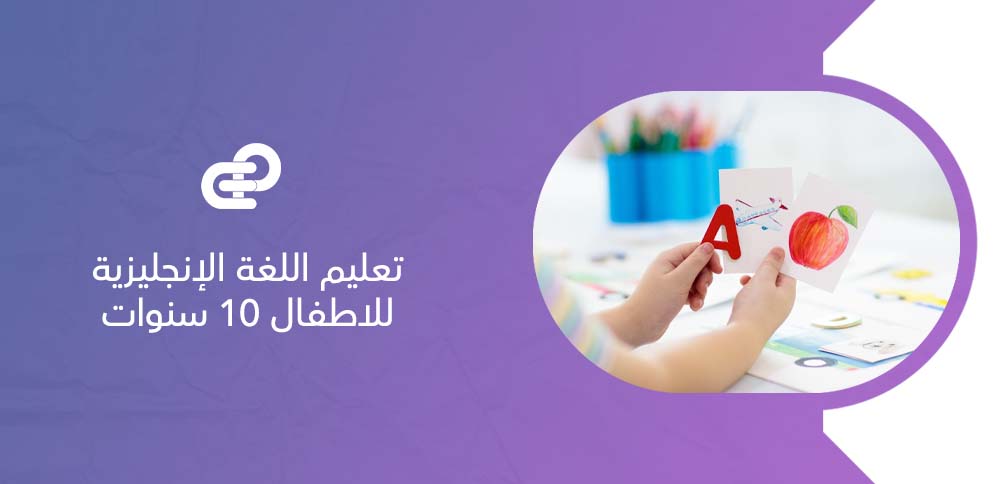
Starting with short stories and language games: Stories and flashcards help solidify vocabulary and encourage reading comprehension.
Analyzing simple texts with children: Discussing characters or situations strengthens analytical and comprehension skills.
Encouraging creative writing: Writing short stories or solving language puzzles gives children the opportunity to use the language freely and express their own thoughts.
How do games enhance English learning for children aged 10?
Games are an effective way to solidify English vocabulary for children aged 10. They combine fun with learning and transform theoretical lessons into a lively experience that stimulates the child’s imagination and increases focus and participation.
Which games enhance listening?
-
Educational songs: Help children memorize vocabulary and sentence structures through rhythm and repetition, making it easier for them to understand correct pronunciation and distinguish sounds.
-
Audio stories: Give children the opportunity to develop listening skills by following events and expressing the voices of characters.
-
Movement-based competitions: Games like “Follow the Instructions” require executing commands in English as soon as they hear them, which develops attention and quick language response.
What are enjoyable reading activities?
-
Crossword puzzles and jigsaw puzzles: Help link words with their meanings and images, strengthening visual recall.
-
Picture stories: Present the language in a clear and engaging context, allowing children to learn vocabulary through events and images.
-
Word-picture cards: These can be used in matching games or sentence arrangement games, encouraging focus and discovering relationships between words.
When using these activities, it’s preferable for children to read aloud with expression, which enhances both comprehension and pronunciation.
How do you make writing enjoyable?
Writing becomes an enjoyable adventure when presented interactively. You can organize collective story-writing exercises, where each child adds a sentence to create a complete story, or use picture cards that prompt children to describe what they see and create imaginative sentences. This way, they learn to build sentences and express ideas without boredom, and writing becomes a creative activity that helps them use language with confidence and flexibility.
How do you choose an English learning platform for children aged 10?
-
High interactivity: Children aged 10 are drawn to educational games and activities that make learning fun and easy to understand. Platforms that offer colorful videos and interactive exercises contribute to reinforcing vocabulary and correct pronunciation.
-
Variety of lessons and content: The platform should include lessons covering the basic skills of reading, listening, speaking, and writing, with attention to varying levels of difficulty.
-
Technical support and quick responses: Having accessible technical support to resolve any issues promptly is crucial, especially in online learning.
-
Flexible scheduling: Successful platforms offer flexible schedules that allow for customization of study time to fit the child’s daily routine.
-
Use of visual and auditory tools: Images, audio clips, and educational cartoons help reinforce new concepts in an engaging way.
How do you determine the child's level and needs?
Determining the child’s level is a crucial step before choosing an English learning platform for children aged 10. Some platforms offer placement tests to assess the child’s skills in grammar, vocabulary, and listening. These tests help direct the child to suitable content without frustration or boredom.
It’s also important to note the child’s interests and their goals for learning the language, whether they seek to improve daily conversation or develop their academic language. The ideal platform is one that offers content suited for beginners, intermediates, and advanced learners based on each child’s needs.
What are the features of English Place Academy in teaching English to children aged 10?
English Place Academy offers a comprehensive range of services aimed at developing children’s skills in learning English in an enjoyable and safe way. Some of its main services include:
-
Live and recorded lessons allowing children to learn at their own pace, with the option to replay lessons when needed to reinforce understanding.
-
Courses for beginners and advanced learners that suit the child’s level and progress in the four main skills: reading, writing, listening, and speaking.
-
Interactive conversation sessions that help children build confidence in speaking English through real-life scenarios and fun activities.
-
Teaching grammar in a simplified way that integrates theoretical understanding with practical application through daily short exercises.
-
Courses designed to prepare children for global language exams in a way that suits their age group.
-
Ongoing educational and technical support for both the child and their parents to ensure a stable and seamless learning experience, with full flexibility in choosing schedules that suit the family.
How does the academy differ from others?
English Place Academy stands out because it doesn’t just offer online lessons but builds an interactive learning experience that encourages children to participate without hesitation. It combines the expertise of teachers who understand the needs of Arabic children and boost their self-confidence during learning. The academy also integrates audiovisual media and live streaming to create a classroom-like environment, but in a more enjoyable and secure manner.
Is the curriculum comprehensive and interactive?
The academy’s curriculum is based on a well-thought-out progression that covers the four main skills — reading, writing, listening, and speaking — with balanced development in each. The curriculum is designed to match the child’s level and assesses their progress through short tests and immediate error correction to ensure continuous improvement.
What are the benefits of the interactive curriculum?
-
It integrates educational games and audiovisual activities to maintain continuous interaction.
-
It allows tracking the child’s level step by step through a dedicated progress dashboard.
-
It provides immediate feedback that enhances learning motivation and encourages the child to try without fear of mistakes.
-
It promotes the development of thinking and creativity skills alongside language skills.
What are the qualifications of the teaching staff?
English Place Academy’s teaching staff includes educators with internationally recognized teaching and linguistic qualifications, who have extensive experience in working with children aged ten. The teachers excel at simplifying language content and turning it into an enjoyable and understandable experience, using educational methods that consider individual differences between children and help them progress confidently and steadily from beginner to proficiency.
What challenges exist and how can they be overcome in teaching English to children aged 10?
Boredom is one of the main challenges when teaching English to children aged 10, especially when lessons are traditional or lack movement and interaction. The solution begins by diversifying learning methods to turn the process into a fun experience that combines education and play.
Tips to overcome boredom:
-
Use physical games that include simple English words to keep the child active and engaged.
-
Rely on short educational videos that present vocabulary in fun situations.
-
Offer symbolic rewards, like a star sticker or encouraging phrases, after completing each lesson.
-
Change the lesson routine between reading, listening, singing, and handcraft activities to always keep an element of surprise.
How do you deal with pronunciation difficulties?
To overcome pronunciation issues in children, it is recommended to train them using both sound and visuals. When the child hears the word and sees the mouth movements at the same time, they form auditory and visual memories that make correct pronunciation easier. This also boosts their confidence when speaking English and reduces shyness or hesitation.
What’s the solution to concentration difficulties?
Many children at age 10 face difficulty maintaining concentration, especially with the strong competition from electronic games. Therefore, it is best to divide learning into short, spaced sessions, each lasting no more than twenty minutes, giving the child a sense of achievement without pressure or boredom.
Changing the routine of activities also helps effectively. For example, dedicate a day for word games, another for watching an educational clip, and a third for applying vocabulary in practice. This way, the child’s energy is directed towards a clear task, and learning becomes associated with feelings of fun and discovery.
How do you avoid lack of motivation at home?
-
Set aside a short daily time for practicing English at home in a fun way.
-
Use simple English words during daily activities like eating or playing.
-
Engage children in songs or educational games to enhance the sense of collaboration.
-
Give clear attention to every progress the child makes, even if it’s small.
The role of parents is central in home motivation. Their involvement in learning makes English a natural part of the child’s daily life and instills a love for learning and persistence without the feeling of obligation.
Frequently Asked Questions about teaching English to children aged 10:
-
What is the best way to teach English to children?
The best way to teach English to 10-year-olds is by using interactive methods that stimulate curiosity and engagement. You can use educational games, pronunciation exercises through daily conversations, and enjoy storybooks and short videos that combine sound and image, making the learning process fun and full of new vocabulary.
يمثل تعليم اللغة الإنجليزية للاطفال 10 سنوات نقطة تحول حقيقية في مسارهم الأكاديمي والاجتماعي، فهو يضع الأساس لبناء قدرات التفكير النقدي والتواصل الفعّال في عالم تتقاطع فيه الثقافات وتتنوع فيه اللغات. في هذا العمر يصبح الطفل أكثر قدرة على الاستيعاب والملاحظة، مما يجعل تعلّم لغة جديدة تجربة مثمرة تمهّد له طريقًا أوسع نحو المعرفة وفرص المستقبل.
في هذا المقال ستجدون خلاصة التجارب الناجحة والتقنيات الحديثة التي أثبتت فعاليتها في تعليم اللغة الإنجليزية للاطفال 10 سنوات، مع مجموعة من النصائح العملية الموجهة للأهل والمعلمين.
ما أهمية تعليم اللغة الإنجليزية للاطفال 10 سنوات؟
يُعدّ عمر العشرة سنوات مرحلة حاسمة في تطور القدرات اللغوية للطفل، حيث يتميز الدماغ بمرونته العالية التي تُمكّنه من التقاط الأصوات والنطق الصحيح بسهولة. في هذه السن، يكون الطفل في ذروة استعدادِه لاكتساب لغات جديدة، مما يجعل تعليم اللغة الإنجليزية للاطفال 10 سنوات خطوة فعالة تُرسّخ القواعد والمفردات في الذاكرة طويلة الأمد بطريقة طبيعية وسلسة.
كيف يؤثر على التفكير؟
يُسهم تعلم الإنجليزية في هذا العمر في تنشيط مناطق الدماغ المسؤولة عن العمليات المعرفية، مثل الذاكرة والانتباه وحل المشكلات. أثناء ممارسة اللغة الجديدة، يتعلم الطفل الربط بين المعاني والسياقات المختلفة، مما يعزز قدرته على التفكير المنطقي وتنظيم المعلومات.
كما أن إدراك الطفل لثقافة جديدة عبر اللغة الإنجليزية يُطوّر لديه الذكاء الاجتماعي، إذ يتعلم كيف يتفاعل مع شخصيات وأفكار من خلفيات متنوعة. هذه التجربة اللغوية تُحفزه على التواصل الإيجابي سواء مع أقرانه أو مع أسرته، وتغرس فيه مهارات الحوار والفضول المعرفي بشكل فطري.
ما علاقة اللغة بالثقة بالنفس؟
إتقان اللغة الإنجليزية يُغذي ثقة الطفل بنفسه لأنه يُمكّنه من التعبير عن أفكاره بلغتين والتفاعل دون خوف أو تردد. عندما يشارك الطفل في أنشطة جماعية أو تعليمية يتحدث فيها بالإنجليزية، يشعر بقدرته على الإنجاز ويُدرك قيمته داخل المجموعة.
فعلى سبيل المثال، عندما يتمكن من تقديم عرض قصير باللغة الإنجليزية أمام زملائه، ويرى تجاوبهم وتشجيعهم، يتولد لديه إحساس حقيقي بالفخر والانتماء، ما يدفعه للاستمرار في التعلم بحماس أكبر.
ما أفضل طرق تعليم اللغة الإنجليزية للاطفال 10 سنوات؟
التعلم باللعب يُعدّ من أكثر الطرق الممتعة والفعالة في تعليم اللغة الإنجليزية للاطفال 10 سنوات، لأنه يحفز الفضول ويحول التعلم إلى تجربة تفاعلية. عندما يشارك الأطفال في أنشطة تجمع بين الحركة والفكر، يصبح اكتساب المفردات وبناء الجمل أكثر سهولة وثباتًا في الذاكرة.
يمكن استخدام ألعاب متنوعة مثل ألعاب الكلمات، والقصص التفاعلية التي تتيح للطفل تغيير مجرى الأحداث، وتمثيل الأدوار الذي يعرّفهم على المحادثات الواقعية، إلى جانب المسابقات وألعاب الحركة مثل لعبة "Simon Says" التي تدمج الفهم السمعي مع الحركة البدنية.
ما دور المحادثة والأنشطة الجماعية؟
تُسهم المحادثة اليومية في جعل اللغة الإنجليزية أداة تواصل حقيقية لا مجرد مادة دراسية. عندما يتحدث الأطفال مع زملائهم داخل الصف أو ضمن مجموعات صغيرة، يتعلمون استخدام العبارات في مواقف الحياة اليومية، ما يعزز الثقة بالنفس والقدرة على التعبير التلقائي.
أما الأنشطة الجماعية مثل تمثيل المشاهد القصيرة أو إعداد حوارات تفاعلية، فهي تعزز روح التعاون وتمنح كل طفل فرصة لتجربة اللغة بشكل عملي. هذا التفاعل الجماعي يجعل التعلم أكثر واقعية ويكسر رهبة التحدث أمام الآخرين.
كيف توظف الوسائط التفاعلية؟
الوسائط السمعية والبصرية تلعب دورًا أساسيًا في تعليم اللغة الإنجليزية للاطفال 10 سنوات، إذ تجمع بين الصوت والصورة والحركة بطريقة تشد الانتباه. يمكن إدماج الفيديوهات التعليمية، والأغاني البسيطة، والكتب الرقمية المصورة لشرح المفردات وتوضيح المواقف اليومية. هذا التنوع يسمح لكل طفل بالتعلم بالطريقة التي تناسب نمط إدراكه، سواء كان بصريًا أو سمعيًا أو حركيًا.
ما أثر سرد القصص؟
سرد القصص يُعد وسيلة فعالة لربط اللغة بالخيال والفكر التحليلي، فهو يدمج الاستماع مع الفهم والتعبير. عندما يسمع الأطفال قصة مشوقة، يتعلمون تراكيب لغوية جديدة ويستوعبون كيف تُستخدم المفردات في سياقات واقعية.
لجعل القصص أكثر تأثيرًا، يمكن اتباع بعض الخطوات:
- تشجيع الطفل على تخمين نهاية القصة أو إعادة سردها بأسلوبه الخاص.
- استخدام شخصيات مألوفة أو مواقف قريبة من اهتماماتهم اليومية.
- توسيع النشاط عبر كتابة نهاية بديلة أو تحويل القصة إلى حوار جماعي تمثيلي.
كيف تعزز الكتابة والقراءة؟
- البدء بقراءة القصص القصيرة والألعاب اللغوية: تساعد القصص والبطاقات التوضيحية على ترسيخ المفردات وتحفيز الفهم القرائي.
- تحليل النصوص البسيطة مع الأطفال: يمكن مناقشة الشخصيات أو المواقف لتقوية مهارات التحليل والفهم.
- تشجيع الكتابة الإبداعية: تأليف قصص قصيرة أو حلول للألغاز اللغوية يمنح الطفل فرصة لاستخدام اللغة بحرية وإظهار تفكيره الخاص.
كيف تعزز الألعاب تعليم اللغة الإنجليزية للاطفال 10 سنوات؟
تُعد الألعاب وسيلة فعالة لترسيخ مفردات اللغة الإنجليزية لدى الأطفال في عمر العشر سنوات. فهي تجمع بين المتعة والتعلّم، وتحوّل الدروس النظرية إلى تجربة حية تحفّز خيال الطفل وتزيد من تركيزه ومشاركته.
أي الألعاب تطور الاستماع؟
- الأغاني التعليمية: تتيح للأطفال حفظ المفردات والتراكيب اللغوية من خلال الإيقاع والتكرار، مما يسهل عليهم فهم النطق الصحيح وتمييز الأصوات.
- القصص السمعية: تمنح الطفل فرصة لتطوير مهارة الفهم السمعي عبر تتبع الأحداث والتعبير الصوتي للشخصيات.
- المسابقات الحركية: مثل ألعاب “اتبع التعليمات” التي تتطلب تنفيذ أوامر باللغة الإنجليزية فور سماعها، وهي تنمّي الانتباه وسرعة الاستجابة اللغوية.
ما هي أنشطة قراءة ممتعة؟
- ألعاب الكلمات المتقاطعة والبازل: تساعد على ربط الكلمة بمعناها وصورتها، مما يقوي التذكّر البصري.
- القصص المصورة: تعرض اللغة في سياق واضح ومشوق، فيتعلم الطفل المفردات من خلال الأحداث والصور.
- بطاقات الكلمة والصورة: يمكن استخدامها في ألعاب المطابقة أو ترتيب الجمل، وهي تشجع على التركيز واكتشاف العلاقات بين الكلمات.
عند استخدام هذه الأنشطة، يُفضّل أن يقرأ الأطفال بصوت عالٍ وبتعبير، مما يعزز الفهم والنطق معًا.
كيف تتعلم الكتابة بطريقة مشوقة؟
الكتابة تصبح مغامرة ممتعة عندما تُقدَّم بأسلوب تفاعلي. يمكن تنظيم تمارين تأليف قصص جماعية، حيث يضيف كل طفل جملة لتكوين قصة متكاملة، أو استخدام بطاقات الصور التي تحفّز الأطفال على وصف ما يرونه وابتكار جمل خيالية. بهذه الطريقة، يتعلّمون بناء الجمل والتعبير عن الأفكار دون شعور بالملل، وتتحول الكتابة إلى نشاط إبداعي يساعدهم على استخدام اللغة بثقة ومرونة.
كيف تختار منصة تعليم اللغة الإنجليزية للاطفال 10 سنوات؟
- التفاعلية العالية: ينجذب الأطفال في عمر 10 سنوات إلى الأنشطة والألعاب التعليمية التي تجعل التعلم ممتعًا وسهل الفهم. المنصات التي توفر فيديوهات ملونة وتمارين تفاعلية تسهم في ترسيخ المفردات والنطق الصحيح.
- تنوع الدروس والمحتوى: يجب أن تتضمن المنصة دروسًا تغطي المهارات الأساسية مثل القراءة، الاستماع، التحدث، والكتابة، مع مراعاة اختلاف مستويات الصعوبة.
- دعم فني واستجابة سريعة: وجود خدمة دعم فني جاهزة لحل المشكلات التقنية بسرعة أمر أساسي خاصةً في التعليم عبر الإنترنت.
- مرونة الجدولة: توفر المنصات الناجحة جداول مرنة تسمح بتخصيص وقت الدراسة بما يتناسب مع برامج الطفل اليومية.
- استخدام أدوات بصرية وسمعية: الصور، المقاطع الصوتية، ورسوم الكرتون التعليمية تساعد على ترسيخ المفاهيم الجديدة بطريقة مشوقة.
كيف تحدد مستوى الطفل واحتياجه؟
تحديد مستوى الطفل خطوة أساسية قبل اختيار منصة تعليم اللغة الإنجليزية للاطفال 10 سنوات. بعض المنصات تقدم اختبارات تحديد المستوى لقياس مهارات الطفل في القواعد، المفردات، والاستماع. هذه الاختبارات تساعد على توجيه الطفل للمحتوى المناسب دون إحباط أو ملل.
كما يجب ملاحظة اهتمام الطفل وأهدافه من تعلم اللغة، سواء كان يسعى إلى تحسين المحادثة اليومية أو تطوير لغته الأكاديمية. المنصة المثالية هي التي تقدم محتوى متدرجًا يناسب المبتدئين والمتوسطين والمتقدمين وفق احتياجات كل طفل.
ما مميزات أكاديمية انقلش بليس في تعليم اللغة الإنجليزية للاطفال 10 سنوات؟
تُقدّم أكاديمية انقلش بليس منظومة متكاملة من الخدمات التي تهدف إلى تطوير مهارات الأطفال في تعلم اللغة الإنجليزية بطريقة ممتعة وآمنة.
من بين أبرز خدماتها:
- دروس مباشرة ومسجلة تتيح للأطفال التعلم وفق إيقاعهم الخاص، مع إمكانية إعادة الدروس عند الحاجة لترسيخ الفهم.
- دورات للمبتدئين والمتقدمين تتناسب مع مستوى الطفل وسرعة تطوره في المهارات الأربع الأساسية: القراءة، الكتابة، الاستماع، والمحادثة.
- حصص المحادثة التفاعلية التي تساعد الأطفال على بناء الثقة في التحدث باللغة الإنجليزية من خلال مواقف واقعية وأنشطة ممتعة.
- تعليم قواعد اللغة بطريقة مبسطة تدمج بين الفهم النظري والتطبيق العملي من خلال تمارين يومية قصيرة.
- دورات للأطفال صُممت لإعداد الصغار لامتحانات اللغة العالمية بطريقة تناسب أعمارهم.
- دعم تعليمي وتقني متواصل يرافق الطفل وولي أمره لضمان تجربة تعلم مستقرة وسلسة، مع مرونة كاملة في اختيار المواعيد بما يناسب الأسرة.
كيف تختلف الأكاديمية عن غيرها؟
تتميز أكاديمية انقلش بليس بأنها لا تقتصر على تقديم الدروس عبر الإنترنت فحسب، بل تبني تجربة تعليمية تفاعلية تُشجع الطفل على المشاركة دون تردد. فهي تجمع بين خبرات معلمين يفهمون احتياجات الطفل العربي ويعززون ثقته بنفسه أثناء التعلم. كما تدمج الأكاديمية الوسائط السمعية والبصرية والبث الحي بالصوت والصورة لتخلق بيئة تشبه الصف الواقعي، لكن بأسلوب أكثر متعة وأمانًا.
هل المنهج متكامل وتفاعلي؟
يعتمد المنهج في الأكاديمية على تدرج مدروس يغطي المهارات الأربع الأساسية — القراءة، الكتابة، الاستماع، والمحادثة — مع الاهتمام بتطويرها بشكل متوازن.
المنهج مصمم ليواكب مستوى الطفل ويقيّم تقدمه بشكل دوري من خلال اختبارات قصيرة وتصحيح فوري للأخطاء لضمان تحسين الأداء باستمرار.
مزايا المنهج التفاعلي:
- يدمج بين الألعاب التعليمية والأنشطة الصوتية والبصرية لبناء التفاعل المستمر.
- يتيح تتبع مستوى الطفل خطوة بخطوة عبر لوحة متابعة مخصصة.
- يوفر تغذية راجعة فورية تعزز دافعية التعلم وتحفّز الطفل على المحاولة دون خوف من الخطأ.
- يشجع على تنمية مهارات التفكير والابتكار بجانب المهارات اللغوية.
ما مؤهلات الكادر التدريسي؟
يضم طاقم أكاديمية انقلش بليس مجموعة من المعلمين، جميعهم حاصلون على شهادات تربوية ولغوية معترف بها دوليًا، ولهم خبرة طويلة في التعامل مع الأطفال من عمر عشر سنوات.
يتميز المدرسون بقدرتهم على تبسيط المحتوى اللغوي، وتحويله إلى تجربة ممتعة ومفهومة، مع منهجية تربوية تراعي الفروق الفردية بين الأطفال، وتساعدهم على الانتقال من مستوى المبتدئ إلى الإتقان بثقة وثبات.
ما التحديات وكيفية تخطيها في تعليم اللغة الإنجليزية للاطفال 10 سنوات؟
يشكّل الملل أحد أبرز التحديات عند تعليم اللغة الإنجليزية للاطفال 10 سنوات، خصوصًا عندما تكون الدروس تقليدية أو تفتقر إلى الحركة والتفاعل. الحل يبدأ بتنويع أساليب التعلم، لتتحول العملية إلى تجربة ممتعة تجمع بين التعليم واللعب.
نصائح لتجاوز الملل:
- استخدموا الألعاب الحركية التي تتضمن كلمات إنجليزية بسيطة، ليبقى الطفل نشطًا ومشاركًا.
- اعتمدوا على الفيديوهات التعليمية القصيرة التي تقدم المفردات في مواقف ممتعة.
- قدّموا مكافآت رمزية — مثل ملصق نجمة أو عبارة تشجيعية — عند إتمام كل درس.
- غيّروا روتين الدروس بين القراءة، والاستماع، والغناء، والأنشطة اليدوية ليبقى عنصر المفاجأة حاضرًا دائمًا.
كيف تتعامل مع صعوبات النطق؟
لتجاوز مشاكل النطق عند الأطفال، يُنصح بتدريبهم باستخدام الصوت والصورة معًا. عندما يسمع الطفل الكلمة ويرى طريقة تحريك الفم في الوقت نفسه، تتكوّن لديه ذاكرة سمعية وبصرية تسهّل النطق الصحيح. كما يعزّز ذلك ثقته أثناء الحديث بالإنجليزية ويقلّل من الخجل أو التردد.
ما الحل لصعوبة التركيز؟
يواجه العديد من الأطفال في سن العاشرة صعوبة في الحفاظ على التركيز، خصوصًا في ظل المنافسة القوية من الألعاب الإلكترونية. لذلك من الأفضل تقسيم التعلم إلى جلسات قصيرة ومتباعدة، بحيث لا تتجاوز كل جلسة عشرين دقيقة، مما يمنح الطفل شعورًا بالإنجاز دون ضغط أو ملل.
تنويع روتين الأنشطة يساعد أيضًا بشكل فعّال. فمثلاً، يمكن تخصيص يوم للعب اللغوي، وآخر لمشاهدة مقطع تعليمي، ويوم ثالث لتطبيق عملي للمفردات. بهذه الطريقة تُوجه طاقة الطفل نحو مهمة واضحة، ويرتبط التعلم بمشاعر المتعة والاكتشاف.
كيف تتفادى ضعف التحفيز المنزلي؟
- خصصوا وقتًا يوميًا قصيرًا لممارسة اللغة الإنجليزية داخل المنزل بطريقة مرحة.
- استخدموا الكلمات الإنجليزية البسيطة خلال الأنشطة اليومية مثل الأكل أو اللعب.
- شاركوا الأطفال في الأغاني أو الألعاب التعليمية لتعزيز شعور التعاون.
- امنحوا اهتمامًا واضحًا بكل تقدم يحرزه الطفل، حتى وإن كان بسيطًا.
إنّ دور الأهل محوري في التحفيز المنزلي، فمشاركتهم في التعلم تجعل اللغة الإنجليزية جزءًا طبيعيًا من حياة الطفل اليومية، وتغرس حب التعلم والاستمرار بعيدًا عن الشعور بالإجبار.
الأسئلة الشائعة حول تعليم اللغة الإنجليزية للاطفال 10 سنوات
افضل طريقة لتعلم اللغة الانجليزية للاطفال؟
أفضل طريقة لتعليم اللغة الإنجليزية للأطفال في عمر 10 سنوات هي الاعتماد على الأساليب التفاعلية التي تحفّز الفضول والتفاعل. يمكنكم استخدام الألعاب التعليمية، وتمارين النطق من خلال المحادثات اليومية، والاستفادة من القصص المصوّرة والفيديوهات القصيرة التي تجمع بين الصوت والصورة، مما يجعل عملية التعلم ممتعة وغنية بالمفردات الجديدة.
ما هو أول شيء يجب تدريسه عند تدريس اللغة الإنجليزية؟
عند البدء بتعليم الطفل اللغة الإنجليزية، من المهم التركيز أولاً على الأساسيات مثل الأسماء والضمائر وحروف الجر والأفعال الشائعة. فهذه العناصر تشكّل القاعدة التي تعتمد عليها مهارات القراءة والتحدث والكتابة لاحقاً، وتساعد الطفل على فهم تركيب الجملة بطريقة طبيعية ومتدرجة.
ما هي خطوات تأسيس الطفل في اللغة الإنجليزية؟
تأسيس الطفل في اللغة الإنجليزية يمر بعدة مراحل متكاملة: تقييم المستوى الحالي لتحديد نقاط القوة والجوانب التي تحتاج إلى دعم، اختيار أنشطة تفاعلية تشمل التكرار والنطق والمحادثة مع التسلية، تعزيز مهارتي الاستماع والمحادثة من خلال الحوار والقصص الصوتية، دمج القراءة والكتابة تدريجياً لتوسيع الحصيلة اللغوية وتحسين التعبير، تخصيص أوقات قصيرة ومتكررة للتعلم حتى يحافظ الطفل على تركيزه ويستفيد بشكل مستمر دون ملل.
الخلاصة
تعليم اللغة الإنجليزية للاطفال 10 سنوات يُعدّ استثماراً ذكياً في مستقبلهم المعرفي والاجتماعي والمهني، فهو لا يقتصر على حفظ كلمات أو قواعد فحسب، بل يوسع مدارك الطفل ويطوّر قدرته على التواصل بثقة في عالم متعدد اللغات. ويظهر أثر هذا التعليم بشكل أوضح عندما يتم عبر أساليب تفاعلية تُحفّز الفضول والتجربة، فيتعلم الطفل بالممارسة لا بالحفظ فقط.
مقالات ذات صلة:
تعليقات:
لا يوجد تعليقات
[[c.user.fullname]]
[[reply.user.fullname]]