
تُعد قاعدة المستقبل البسيط من الركائز الأساسية لكل من يسعى لإتقان اللغة الإنجليزية، سواء لغرض الدراسة أو العمل أو التواصل اليومي. هذا الزمن يُستخدم للتحدّث عن نية أو توقع أو وعد أو حتى عرض يُتوقع حدوثه في المستقبل. ورغم بساطة بنيته، فإن كثيرًا من المتعلمين يجدون صعوبة في تمييزه عن غيره من الأزمنة الإنجليزية، مما يجعل فهمه بشكل دقيق خطوة ضرورية في رحلة تعلم اللغة.
سيوجه هذا المقال بوصلتكم نحو الأساس الصحيح لاستخدام قاعدة المستقبل البسيط، من خلال شرح تكوين الجمل واستخداماتها المتعددة، إضافة إلى توضيح الفروق بينها وبين الأزمنة الأخرى القريبة منها. كما ستتعرفون على أمثلة تطبيقية وأساليب فعالة تجعل من هذا المفهوم اللغوي جزءًا طبيعيًا من حديثكم وكتابتكم.
ما هي قاعدة المستقبل البسيط؟
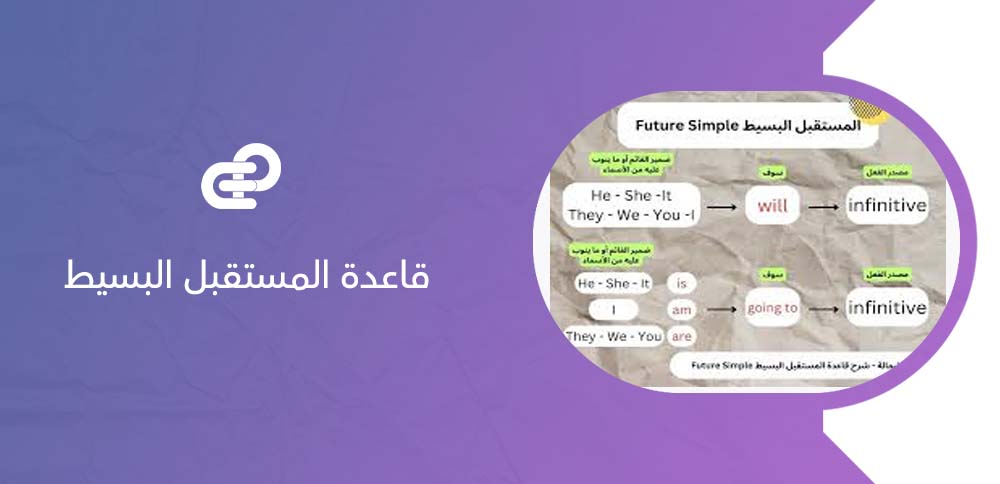
قاعدة المستقبل البسيط تُستخدم عندما نرغب في وصف فعل أو حدث سيقع في وقتٍ لاحق، دون الحاجة إلى تحديد مدة زمنية أو نية مسبقة. تعتمد هذه القاعدة على تركيب بسيط وسهل في اللغة الإنجليزية، وهو (will + الفعل في المصدر)، ويُستخدم هذا التركيب مع جميع الضمائر دون أي تغيير في شكل الفعل.
على سبيل المثال:
I will go to the market tomorrow – سأذهب إلى السوق غدًا.
عند نفي الجملة، نضيف not بعد كلمة will لتصبح will not، ويمكن اختصارها إلى won’t في الاستخدام اليومي. أما إذا كانت الجملة استفهامية، فيبدأ السؤال بكلمة will ثم الفاعل ثم الفعل الأساسي، مثل:
Will they travel next week? – هل سيسافرون الأسبوع القادم؟
وتُستخدم الصيغة نفسها في الأسئلة المنفية، حيث يُضاف النفي بعد will مثل: Will she not join us?
ما مكونات القاعدة؟
- الفاعل (Subject): يمكن أن يكون أي ضمير أو اسم، مثل I, you, he, she, we, they.
- will: وهي الكلمة التي تُشير إلى المستقبل، وتبقى ثابتة مع كل الضمائر.
- الفعل في المصدر (Base Form): يُستخدم بدون تغييرات، مما يجعل القاعدة سهلة التطبيق.
- النفي: يتم بإضافة not بعد will لتصبح will not أو بشكل مختصر won’t.
- الاستفهام: تبدأ الجملة بكلمة will يليها الفاعل ثم الفعل في المصدر لتكوين سؤال حول المستقبل.
كيف نستخدم قاعدة المستقبل البسيط؟
ما الاستخدامات الرئيسية؟
- التعبير عن التوقعات أو التنبؤات حول المستقبل: تُستخدم قاعدة المستقبل البسيط عندما نتحدث عن شيء نتوقع حدوثه دون وجود خطة محددة، مثل: It will rain tomorrow (سيمطر غداً).
- القرارات الفورية أو المفاجئة: تُقال عندما يتخذ المتحدث قراراً في اللحظة نفسها، كأن يقول: I think I will call him now (أعتقد أنني سأتصل به الآن).
- تقديم العروض أو المساعدة: تُستخدم للتعبير عن استعداد فوري لتقديم المساعدة، مثل: I will help you with your bags (سأساعدكم في حمل الحقائب).
- الوعود والتعهدات: من الشائع استخدامها للتأكيد على وعد، مثل: I will send you an email tomorrow (سأرسل لكم بريداً إلكترونياً غداً).
تُشير كلمات مثل tomorrow، next week، أو later إلى أن الجملة تُبنى عادة بزمن المستقبل البسيط.
كيف تُوظف في المحادثة؟
في المحادثة اليومية، تُستخدم قاعدة المستقبل البسيط بشكل واسع للتحدث عن نوايا أو قرارات آنية دون تخطيط مسبق. فعندما يقرر أحدهم فعل شيء فجأة أو يعرض المساعدة، غالباً ما يستخدم will.
متى نستخدم will؟
- عند اتخاذ قرار لحظي: يُستخدم عندما يُقرر الشخص القيام بشيء في نفس اللحظة دون تخطيط مسبق.
- في تقديم الوعود والتعهدات: تُعبّر عن التزام المتحدث بما يقوله أو يعد به.
- في التنبؤ بالمستقبل: تُستخدم للتحدث عن أمور يُعتقد أنها ستحدث مثل حالة الطقس أو الأحداث العامة.
- عند تقديم المساعدة أو العروض: تُقال للتعبير عن الاستعداد الفوري لتقديم خدمة أو دعم.
كيف نصيغ الجمل المختلفة في قاعدة المستقبل البسيط؟
تُستخدم صيغة الإثبات في قاعدة المستقبل البسيط للتعبير عن الأفعال التي ستحدث في المستقبل. تتكوّن الجملة من: الفاعل + will + الفعل في المصدر، دون أي تغيير في شكل الفعل الأساسي. هذه الصيغة تُظهر نية أو قرارًا سيتم تنفيذه لاحقًا، وتُستخدم كثيرًا للتعبير عن التوقّعات أو الوعود أو الخطط المستقبلية.
مثال مثبت:
She will travel. (هي سوف تسافر)
ما صيغة النفي؟
تُستخدم صيغة النفي للتعبير عن الأفعال التي لن تحدث في المستقبل. وتُبنى الجملة بالطريقة التالية: الفاعل + will not (أو الصيغة المختصرة won’t) + الفعل في المصدر. كلمة will not تُدخل النفي على الفعل، بينما تبقى بقية الجملة على حالها. ويمكن استخدام won’t في اللغة اليومية بشكل أكثر شيوعًا لسهولة النطق.
مثال منفي:
They will not come. (هم لن يأتوا)
كيف نصيغ السؤال؟
لصياغة السؤال في زمن المستقبل البسيط، نبدأ بالأداة will ثم يأتي بعدها الفاعل متبوعًا بـ الفعل في المصدر، وتنتهي الجملة بعلامة استفهام. هذه الصيغة تُستخدم عندما نريد معرفة ما إذا كان الشخص سيفعل أمرًا ما في المستقبل.
مثال استفهامي:
Will you help me? (هل ستساعدني؟)
ما هو الاستفهام المنفي؟
يُستخدم الاستفهام المنفي عندما نرغب في طرح سؤال بصيغة تحمل شيئًا من التوقّع أو المفاجأة، وكأننا نفترض أن الفعل سيحدث ونتعجّب إذا لم يكن كذلك. تُبنى الجملة باستخدام: won’t + الفاعل + الفعل في المصدر؟
مثال:
Won’t they agree? (ألن يوافقوا؟)
متى نستخدم قاعدة المستقبل البسيط بدلاً من غيرها؟
الفرق الأساسي بين قاعدة المستقبل البسيط (will + V1) وزمن المستقبل المستمر (will be + verb-ing) يكمن في تركيز الجملة على طبيعة الحدث. فالمستقبل البسيط يُستخدم عند الحديث عن فعل سيحدث في المستقبل دون التركيز على استمراره، مثل اتخاذ قرار مفاجئ أو التعبير عن توقع. أما المستقبل المستمر فيُستخدم عندما يكون الحديث عن فعل سيجري ويستمر خلال وقت معين في المستقبل.
مقارنة بين المستقبل البسيط والمستقبل المستمر
- المستقبل البسيط
- الصيغة: will + V1
- الاستخدام: للتعبير عن حدث سيقع في المستقبل بدون التركيز على استمراره
- مثال: I will call you tomorrow.
- الترجمة: سأتصل بكم غدًا.
- المستقبل المستمر
- الصيغة: will be + verb-ing
- الاستخدام: للتعبير عن حدث سيكون جاريًا في وقت محدد من المستقبل
- مثال: I will be studying at 8 PM.
- الترجمة: سأكون أدرس في الساعة الثامنة مساءً.
ما الفرق مع المضارع التام؟
المضارع التام يختلف كليًا عن قاعدة المستقبل البسيط، إذ يُستخدم للتعبير عن أحداث بدأت في الماضي وما زال أثرها قائمًا في الحاضر، ولا يمتد إلى المستقبل. على سبيل المثال: I have finished my work تعني "لقد أنهيت عملي"، وهي جملة تربط الماضي بالحاضر، بينما I will finish my work تتحدث عن نية لإنهاء العمل في المستقبل.
كيف أختار الزمن المناسب؟
اختيار الزمن الصحيح يعتمد على ما تريدون التعبير عنه في الجملة:
- إذا كان الفعل سيحدث فقط في المستقبل دون استمرارية، استخدموا المستقبل البسيط (will + V1).
- إذا كان الفعل سيستمر خلال فترة مستقبلية محددة، استخدموا المستقبل المستمر (will be + verb-ing).
- إذا كان الحدث بدأ في الماضي وما زالت نتائجه حاضرة، استخدموا المضارع التام (have/has + past participle).
- عند التعبير عن قرارات مفاجئة أو وعود أو توقعات، يكون المستقبل البسيط هو الأنسب دائمًا.
بهذه الطريقة يمكنكم التمييز بسهولة بين الأزمنة واختيار التركيب الذي يعبر بدقة عن نيتكم أو الموقف الذي تتحدثون عنه.
كيف نُفرّق بين قاعدة المستقبل البسيط و 'going to'؟
تُستخدم will عند الحديث عن قرارات تُتخذ في لحظتها دون تخطيط مسبق. فعندما يتخذ المتحدث قرارًا بشكل فوري أو ارتجالي، يكون استخدام will هو الأنسب للتعبير عن تلك النية المفاجئة. مثلًا، عند لحظة اتخاذ قرار المساعدة أو القيام بشيء الآن دون تفكير مسبق.
كما تُستخدم will أيضًا في التوقعات التي لا تعتمد على أدلة واضحة، بل على اعتقاد أو شعور داخلي، إضافة إلى الوعود والعروض التي تُعبّر عن نية أو استعداد في المستقبل دون تنظيم مسبق. في هذه الحالات، يُعبّر الفعل عن نية مَبدئية أكثر من كونه خطة محددة بوضوح.
متى نستخدم going to؟
نستخدم going to عندما نتحدث عن خطط مستقبلية مؤكدة أو أحداث تم اتخاذ القرار بشأنها مسبقًا. فهي تعكس نية واضحة وتخطيطًا مسبقًا للقيام بالفعل في وقت لاحق، مثل ترتيب موعد أو التحضير لرحلة أو تنفيذ خطة تم التفكير فيها من قبل.
كما تعبّر going to عن توقعات مبنية على أدلة واقعية، مثل ملاحظة سحبٍ في السماء والتعبير عن أن الجو سيمطر قريبًا. وهنا الفرق واضح عن will، إذ أن استخدام going to يعتمد على دليل ملموس أو نية معدّة مسبقًا.
أمثلة مقارنة عملية
- I will help you with your bags.
سأساعدك في حمل حقائبك. (قرار فوري في اللحظة)
- I am going to help my friend move tomorrow.
سأساعد صديقي في الانتقال غدًا. (خطة تم تحديدها مسبقًا)
- It will snow tomorrow.
سوف تثلج غدًا. (توقع عام بدون دليل واضح)
- Look at those clouds! It’s going to rain soon.
انظر إلى تلك الغيوم! ستمطر قريبًا. (توقع مبني على دليل)
- I will visit my family next month.
سأزور عائلتي الشهر القادم. (قرار لحظي)
- I am going to visit my family next month.
سأزور عائلتي الشهر القادم. (خطة مقررة مسبقًا)
يوضح الجدول التالي الفروق الأساسية بين القاعدتين:
- القرارات المفاجئة
- استخدام will: ✔️
- استخدام going to: ❌
- الخطط المسبقة
- استخدام will: ❌
- استخدام going to: ✔️
- الوعود والعروض
- استخدام will: ✔️
- استخدام going to: ❌
- التوقعات بدون دليل
- استخدام will: ✔️
- استخدام going to: ❌
- التوقعات مع دليل واضح
- استخدام will: ❌
- استخدام going to: ✔️
يساعد هذا التفريق على استخدام القاعدتين بدقة، وفهم الفارق بين النية اللحظية والتخطيط المسبق في اللغة الإنجليزية.
كيف نستخدم قاعدة المستقبل البسيط في الدراسة والعمل؟
تُستَخدم قاعدة المستقبل البسيط بشكل واسع في الحياة اليومية للتعبير عن القرارات السريعة أو النوايا والخطط المستقبلية. فهي تُساعد على توضيح ما ينوي الشخص القيام به دون الحاجة إلى تفاصيل دقيقة عن الوقت أو الطريقة. وغالباً ما نستخدمها عند التحدث عن أمور بسيطة نقررها في اللحظة ذاتها أو عندما نعد الآخرين بفعل شيء قريباً.
على سبيل المثال:
- I will buy some vegetables تُقال عندما يقرر المتحدث الآن أنه سيشتري خضروات لاحقاً.
- I will call you tomorrow تُستخدم للتعبير عن نية إجراء مكالمة في المستقبل القريب.
كيف نوظفها في الكتابة الأكاديمية؟
في الكتابة الأكاديمية، تأخذ قاعدة المستقبل البسيط طابعاً أكثر رسمية، إذ تُستخدم عادةً عند الإشارة إلى أهداف البحث أو التوقعات المستقبلية أو النتائج المرجوّة. فهي تُعبّر عن ما يتوقع الباحث أن يحققه أو يكتشفه لاحقاً ضمن إطار دراسته.
مثلاً:
- This research will provide new insights تُستخدم للإعلان عن الفائدة المنتظرة من البحث، وتوضح أن النتيجة ستتحقق مستقبلاً.
في أي مواقف نستخدمها؟
- التخطيط المسبق غير المفصل: عندما تكون الخطة عامة دون تحديد دقيق للزمن أو الطريقة.
- التوقع: للتنبؤ بما سيحدث بناءً على معطيات أو ملاحظات.
- الوعود: عند الالتزام بفعل شيء في المستقبل أمام شخص آخر.
- اتخاذ قرارات سريعة: عندما يُتخذ القرار في نفس اللحظة دون تفكير سابق.
ما أفضل الطرق لتعليم قاعدة المستقبل البسيط عبر الإنترنت؟
- الشرح التفاعلي بالفيديو يساعد على تبسيط قاعدة المستقبل البسيط من خلال عرض أمثلة حية وسيناريوهات تطبيقية، مما يجعل المتعلم يستوعب المفهوم بسرعة ويطبقه بسهولة.
- التعلم القائم على القصة والسيناريوهات يُمكّن الطلاب من تصور القاعدة في مواقف حقيقية، مثل التحدث عن الخطط المستقبلية أو التنبؤات، فيربطون القاعدة بسياقات مألوفة لديهم.
- التمارين العملية وألعاب التحدي تجعل عملية التعلم أكثر تشويقًا، حيث يحصل المتعلم على تغذية راجعة فورية تعزز من فهمه ودقته في استخدام القاعدة.
- تخصيص الدروس حسب المستوى والاهتمامات يُبقي المتعلمين في حالة تفاعل دائم، لأن المحتوى يصبح مرتبطًا بحياتهم واهتماماتهم الفعلية.
كيف تحقق الفعالية في التدريس؟
تتحقق فعالية تعليم قاعدة المستقبل البسيط عندما تُصمم الدروس بطريقة تراعي تنوع أساليب التعلم. فالجمع بين الشرح النظري والتطبيق العملي، إلى جانب منح الطلاب فرصًا للتحدث والكتابة باستخدام القاعدة، يجعل الفهم أكثر عمقًا وثباتًا. كما أن إشراك المتعلمين في أنشطة تفاعلية يعزز من قدرتهم على استخدام القاعدة في مواقف واقعية.
ما دور التفاعل والتقنيات الجديدة؟
يلعب التفاعل دورًا محوريًا في تعلم قاعدة المستقبل البسيط عبر الإنترنت. فالمحادثات المباشرة بين الطلاب والمعلم تُكسبهم الثقة في استخدام القاعدة بشكل طبيعي. كما أن استخدام تقنيات مثل الرسوم المتحركة والمؤثرات البصرية يُساعد في توضيح الأزمنة والأمثلة بطريقة جذابة تبقي انتباه المتعلم مركّزًا طوال الدرس.
لماذا يُنصح بالمنصات المتخصصة؟
- المنصات التعليمية المتخصصة توفر بيئة منظمة تحتوي على موارد محددة لتعليم قواعد اللغة مثل المستقبل البسيط، مما يجعل عملية التعلم أكثر سهولة وتسلسلًا.
- أنظمة التعلم التفاعلية تمكّن المتعلمين من متابعة تقدمهم من خلال اختبارات فورية وتقارير أداء دقيقة.
هذه المنصات تجمع بين التقنية والتفاعل، فتمنح المتعلم تجربة تعليمية متكاملة توازن بين الفهم النظري والتطبيق العملي بأسلوب ميسر وجذاب.
كيف تساهم أكاديمية انقلش بليس في تعلم قاعدة المستقبل البسيط؟
تُعد أكاديمية انقلش بليس من أوائل المنصات العربية المتخصصة في تعليم اللغة الإنجليزية عبر الإنترنت منذ عام 2009. تمتاز بدمج المدرسين ذوي الخبرة الأكاديمية في تدريس قواعد اللغة الإنجليزية، بما في ذلك قاعدة المستقبل البسيط، بأسلوب واضح وتطبيقي يساعدكم على فهمها واستخدامها في مواقف الحياة اليومية والدراسة والعمل. تعتمد الأكاديمية على بيئة تعليمية تفاعلية تجمع بين البث المباشر والدروس المسجلة، ما يتيح للطلاب التعلم بوتيرة مرنة وشخصية حسب مستواهم.
كيف تطور مهارات الطلاب؟
- توظف الأكاديمية أساليب تدريس عملية تعتمد على الأنشطة التفاعلية التي تدعم فهم قاعدة المستقبل البسيط واستخدامها في المحادثة والكتابة.
- تنظم اختبارات قصيرة بعد كل وحدة دراسية لتقييم مدى استيعاب الطلاب وتصحيح الأخطاء في الوقت الفعلي.
- تقدم تغذية راجعة مستمرة من المدرسين لضمان تطور المهارات اللغوية بشكل تدريجي وواضح.
- تشجع الطلاب على المشاركة في جلسات جماعية لتبادل الحوار باللغة الإنجليزية، مما يعزز الثقة في استخدام الأزمنة الصحيحة ضمن جمل واقعية.
الأسئلة الشائعة حول قاعدة المستقبل البسيط
ما هي قاعدة المستقبل البسيط؟
تعتمد قاعدة المستقبل البسيط على استخدام الفعل المساعد will متبوعًا بالفعل في صورته الأساسية للتعبير عن أحداث أو مواقف ستحدث في المستقبل. تُستخدم هذه القاعدة عندما لا يكون لدينا خطط مسبقة أو عندما نتحدث عن شيء نتوقع حدوثه لاحقًا.
ما الكلمات الدالة عليه؟
من الكلمات والعبارات التي تُشير إلى زمن المستقبل البسيط: tomorrow، next week، in a minute، later، soon، وin the future. تساعد هذه التعابير في تحديد الإطار الزمني للجملة وجعل القصد أكثر وضوحًا.
متى نستخدم will وwon't؟
يُستخدم will للتعبير عن القرارات العفوية التي تُتخذ في لحظتها، أو للتنبؤ بالمستقبل، أو لتقديم عرض أو وعد. أما won’t فهي صيغة النفي وتُستخدم لبيان الرفض أو عدم الرغبة.
الخلاصة
إتقان قاعدة المستقبل البسيط يمنحكم قدرة أوسع على التعبير بطلاقة في اللغة الإنجليزية، سواء أثناء المحادثات اليومية أو في الكتابة الأكاديمية والمهنية. فالفهم الدقيق لهذه القاعدة يُسهّل عليكم توضيح خططكم وأهدافكم المستقبلية بثقة، ويجعل تواصلكم أكثر وضوحاً وسلاسة مع الآخرين.
اقرأ أيضًا:
تعليقات:
لا يوجد تعليقات
[[c.user.fullname]]
[[reply.user.fullname]]