In a world where experiences are accelerating and competition for prestigious jobs is intensifying, clarifying English language proficiency levels on resumes has become a crucial factor that directly impacts how hiring managers perceive applicants. Language proficiency is no longer just an additional skill but has become a key criterion in assessing the ability to communicate and integrate into both international and local work environments. The clearer and more documented your language level, the higher your chances of standing out among the large number of resumes employers review daily.

This article provides a practical guide on how to present English language levels on a resume in a professional manner, outlining their strategic importance, common mistakes to avoid, and ways to develop your language skills to enhance the strength of your resume and increase your competitiveness in the job market.

What are English Language Levels on a Resume?

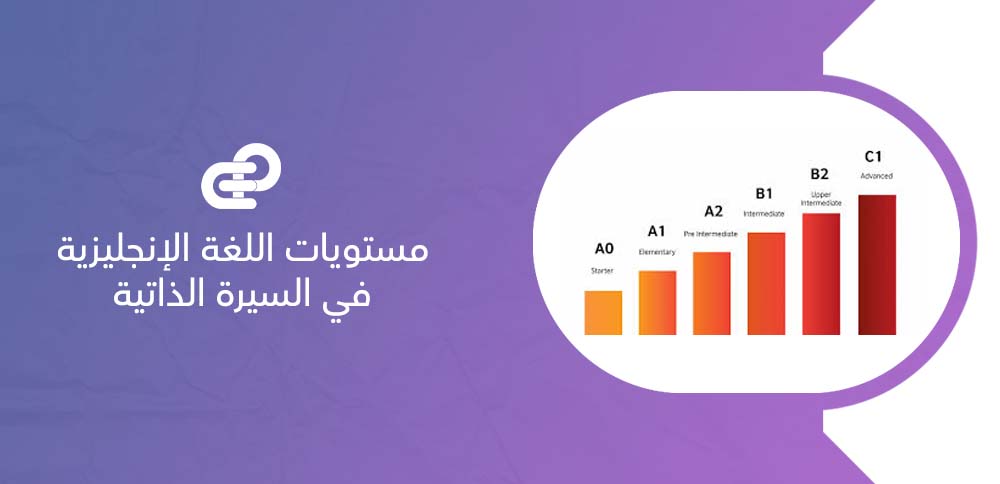
English language levels on a resume serve as a standardized means of explaining how proficient someone is in using the language in speaking, writing, reading, and listening skills. Most applicants rely on the Common European Framework of Reference for Languages (CEFR), which divides language proficiency into six levels from A1 for beginners to C2 for proficient speakers. Tests are also used as supportive tools to determine a more precise and objective level.

Why Is Accurate Classification Important?

Accurately listing your English language level on your resume gives it a professional appearance and reflects honesty in presenting your skills. By classifying your level according to a recognized framework, employers can easily assess how well your abilities align with the job requirements. Clear classification also helps avoid confusion or exaggeration that could undermine your credibility as a candidate.

For example, if an applicant lists their level as B2 under the CEFR framework, this indicates they can communicate relatively fluently in professional and academic contexts, but they do not yet have the advanced proficiency of C1. This accuracy saves time and effort for the employer in evaluation and comparison.

How Are Global Levels Determined?

English language proficiency is determined through global frameworks such as the CEFR, which measures language competence based on specific criteria such as comprehension, ability to express oneself, and use of vocabulary. Many employers also rely on test results as precise indicators to classify English proficiency levels on resumes objectively and comparably.

CEFR and IELTS Classifications

The CEFR divides English proficiency into six distinct levels, each representing a particular skill in communication, both orally and in writing, and comprehension:

  • A1 (Beginner): The learner can use simple phrases and interact in limited everyday situations.

  • A2 (Pre-intermediate): Can express immediate needs and interact in familiar situations using short sentences.

  • B1 (Intermediate): Understands the main points in familiar topics and can deal with situations when traveling or working.

  • B2 (Upper-intermediate): Communicates fluently and explains opinions clearly in general or specialized topics.

  • C1 (Advanced): Has a high-level command of language, able to express thoughts precisely and discuss complex topics fluently and confidently.

  • C2 (Proficient): Near-native proficiency, with ease in understanding specialized and complex texts.

How to Write English Levels on a Resume?

In your resume, dedicate a clear section for languages, usually placed after qualifications or in a prominent part of the skills and experience section. This arrangement helps employers quickly notice your proficiency level in languages, especially when English is required for the role.

How to Clarify Your Level Practically?

When writing your English proficiency level on a resume, it is best to use internationally recognized terms like C1 or IELTS 7.5. However, demonstrating the level goes beyond just using these symbols. It’s essential to highlight practical abilities that show how you use the language in real work contexts, such as:

  • The ability to give presentations in English to colleagues or management.

  • Writing professional reports and formal correspondence fluently and accurately.

Example:
English: Advanced (C1) – IELTS 7.5 – Capable of preparing presentations and writing work reports in English.

How to Write Certifications?

To increase credibility, it is recommended to mention certification details in an organized and clear manner, specifying the issuing body and date of certification. The recommended format would be:
Example:
English: Advanced (C1) – IELTS 7.5 (British Council, 2023)

Also, it's advisable to list languages starting with the native language, followed by other languages based on their relevance to the job, giving your resume a more professional and organized appearance.

Common Mistakes in Writing Language Levels

Overestimating your level of English without a certificate or reliable evidence weakens the credibility of your resume. For example, listing yourself as "Advanced" or "Fluent" without proof makes the employer question the accuracy of the rest of your information.

Mixing Different Systems and Standards

One common mistake is mixing different evaluation standards within one resume. This confusion makes it difficult for the reader to understand your true level of language proficiency. It’s better to stick to one clear classification system and specify your exact level or numerical result within that framework, making your resume clearer and more professional.

Neglecting Certifications and Proof

Not mentioning official certifications or test results that verify your English proficiency reduces the strength of your resume. Generic statements without documentation make language skills seem uncertain, no matter how accurate they are.

Ignoring Practical Skills

Simply listing a language level without explaining how you use it in a work environment misses a valuable opportunity to highlight your competence. It’s best to combine your level with practical examples, such as writing reports, negotiating, or analyzing in English, to showcase a skill that goes beyond theoretical classification.

Neglecting Continuous Updates

Postponing updates to your English proficiency or neglecting to add new certifications gives the impression of not being committed to self-improvement. Resumes that show continuous learning updates are more attractive to employers and present a mature professional image.

How to Develop Your Language Skills to Support Your Resume?

Enrolling in specialized English language courses is a crucial step to raising your skills and achieving tangible progress that you can document on your resume. Courses offered by platforms like English Place Academy or other trusted institutions provide you with certificates that reflect your ongoing commitment to learning and add credibility to your language proficiency in your professional documents.

What Role Does Online Learning Play?

Online courses offer significant flexibility for learning English at any time and from anywhere, making it easier for professionals to balance self-development with their daily schedules. This type of learning allows you to take self-assessment or official tests that help track progress periodically.

How to Choose the Right Platforms?

Choosing the right educational platform depends on the quality of the programs offered and their coverage of grammar, conversation, and academic writing skills. It is recommended to join platforms that offer a comprehensive learning experience to enhance your professional profile. Continuously updating your resume with new language achievements shows your commitment to continuous development and gives you a competitive edge in the job market.

The Value of English Place Academy in Language Development

English Place Academy is the first Arabic platform specializing in teaching English remotely since 2009. It has established an effective model combining academic quality with flexible e-learning. The platform hosts a team of experienced educators who teach English using the latest educational methods, making it an ideal destination for anyone aiming to develop their language skills professionally.

Variety of Courses and Learning Methods

English Place Academy offers a progressive educational pathway that starts from beginner to advanced levels, covering various aspects of basic and advanced English. These courses include:

  • Specialized lessons in grammar to help build a solid language foundation.

  • Advanced programs to develop conversation, writing, and reading skills interactively.

  • Exercises to expand vocabulary, improve pronunciation, and understand daily language context.

This variety allows learners to develop every aspect of the language within a structured educational plan tailored to personal and professional goals.

Combining Live Learning and Digital Interactivity

The platform offers multiple learning options, including live lessons with specialized teachers and recorded sessions that can be accessed anytime, making it suitable for various schedules. It also provides smart interactive tools that engage students in the learning process and help them continuously assess their progress.

By completing levels and earning certificates, students can enhance their resumes and highlight their English language proficiency in a way that documents their academic and professional development.

From Foundation to Mastery

English Place Academy distinguishes itself by guiding students from basic to mastery level through a progressive curriculum that ensures learners acquire the comprehensive language skills necessary to integrate into global professional environments. This complete preparation gives learners the confidence to communicate effectively in English across work, education, and international cultural interactions.

Frequently Asked Questions about English Language Levels on a Resume

How do you write language levels on a resume?
When writing language levels on a resume, it’s important to select a clear section specifically for languages, usually placed near qualifications or in a prominent part of skills and experience. Use officially recognized terms like CEFR classifications to clarify the level. It’s better to keep the format simple and clear, such as:

What is a B2 level of English on a resume?
A B2 level on a resume indicates an upper-intermediate level, where the person can interact independently, understand texts and discussions at an intermediate to advanced level, and express opinions clearly in professional conversations without major difficulty.

How to describe language proficiency in a resume?
To make English language levels clearer on a resume, you can describe them in terms of the four language skills: speaking, reading, writing, and listening. Try to use descriptions that reflect practical language use rather than just listing the level.

Summary
Presenting English language levels on a resume accurately using recognized frameworks like CEFR or test results leaves a strong professional impression and increases employers’ confidence in your abilities. A clear expression of your language proficiency demonstrates seriousness and transparency, which directly affects your chances of landing jobs that match your true skills.


في عالمٍ تتسارع فيه الخبرات وتزداد فيه التنافسية على الوظائف المرموقة، أصبح توضيح مستويات اللغة الإنجليزية في السيرة الذاتية عنصرًا حاسمًا يؤثر بشكل مباشر على انطباع أصحاب العمل تجاه المتقدمين. فالكفاءة اللغوية لم تعد مجرد مهارة إضافية، بل باتت معيارًا رئيسيًا في تقييم القدرة على التواصل والاندماج في بيئات العمل الدولية والمحلية. وكلما كان عرضكم لمستوى اللغة واضحًا وموثقًا، زادت فرصكم في لفت الانتباه ضمن الكمّ الكبير من السير الذاتية التي تُعرض أمام مسؤولي التوظيف يوميًا.

هنا يأتي هذا المقال ليقدّم لكم دليلًا عمليًا حول كيفية عرض مستويات اللغة الإنجليزية في السيرة الذاتية بأسلوب احترافي، مع توضيح أهميتها الاستراتيجية، وأبرز الأخطاء التي يجب تجنبها، وطرق تطوير مهاراتكم اللغوية بما يعزز قوة ملفكم الوظيفي ويزيد من قدرتكم على المنافسة في سوق العمل.

ما هي مستويات اللغة الإنجليزية في السيرة الذاتية؟

مستويات اللغة الإنجليزية في السيرة الذاتية تُعد وسيلة معيارية تساعد على توضيح مدى قدرة الشخص على استخدام اللغة في مهارات التحدث، الكتابة، القراءة، والاستماع. يعتمد أغلب المتقدمين على الإطار الأوروبي المرجعي الموحد للغات (CEFR)، والذي يُقسّم مستوى الإتقان إلى ست درجات تبدأ من A1 للمبتدئين وصولاً إلى C2 للمستخدمين المتمكنين. كما تُستخدم اختبارات كأدوات مساندة لتحديد مستوى أكثر دقة وموضوعية.

ما أهمية التصنيف الدقيق؟

إدراج مستوى اللغة الإنجليزية بدقة في السيرة الذاتية يمنحها مظهراً احترافياً ويعكس الصدق في تقديم المهارات. فعند تحديد المستوى اعتماداً على مقياس معترف به، يتمكن مسؤولو التوظيف من تقييم مدى توافق قدراتكم مع متطلبات الوظيفة بسهولة. يساعد التصنيف الواضح أيضاً على تجنب الالتباس أو المبالغة التي قد تضعف مصداقية المتقدم.

على سبيل المثال، إذا ذكر أحد المتقدمين أن مستواه هو B2 وفق الإطار الأوروبي، فهذا يعني أن بإمكانه التواصل بطلاقة نسبية في مواقف مهنية وجامعية، دون الوصول إلى درجة الإتقان الأكاديمي العالي مثل C1. هذه الدقة توفر على جهة العمل وقتاً وجهداً في التقييم والمقارنة.

كيف تُحدّد المستويات العالمية؟

يُحدَّد مستوى اللغة الإنجليزية وفق مقاييس عالمية مثل الإطار الأوروبي (CEFR)، الذي يقيس الكفاية اللغوية بناءً على معايير محددة تشمل مدى الفهم، والقدرة على التعبير، واستخدام المفردات. يعتمد كثير من أصحاب العمل أيضاً على نتائج اختبارات كمؤشرات دقيقة لتصنيف مستوى اللغة الإنجليزية في السيرة الذاتية بصورة موضوعية وقابلة للمقارنة.

ما تصنيفات CEFR و IELTS؟

يقسّم الإطار الأوروبي المرجعي المشترك للغات (CEFR) مستويات اللغة الإنجليزية في السيرة الذاتية إلى ست مراحل واضحة، تعبّر كل منها عن مهارة معينة في التواصل الشفوي والكتابي والفهم:

  1. A1 (مبتدئ): يتمكن المتعلم في هذا المستوى من استخدام عبارات بسيطة والتواصل في مواقف يومية محدودة.
  2. A2 (مبتدئ متقدم): يمكنه التعبير عن احتياجات فورية والتفاعل في مواقف مألوفة باستخدام جمل قصيرة.
  3. B1 (متوسط): يستطيع فهم النقاط الأساسية في مواضيع مألوفة والتعامل مع مواقف أثناء السفر أو العمل.
  4. B2 (ما قبل متقدم): يتمكن من التواصل بطلاقة نسبية، وشرح الآراء بوضوح في مواضيع عامة أو متخصصة.
  5. C1 (متقدم): يمتلك مستوى لغويًا يمكنه من التعبير بدقة عالية، ومناقشة مواضيع معقدة بطلاقة وثقة.
  6. C2 (شبه متقن): يصل إلى مستوى قريب من المتحدث الأصلي، ويفهم بسهولة النصوص المتخصصة والمعقدة.

كيف تكتب مستويات اللغة الإنجليزية في السيرة الذاتية؟

يُخصص في السيرة الذاتية قسم واضح للغات، وغالبًا ما يأتي بعد قسم المؤهلات مباشرة أو في جزء بارز ضمن المهارات والخبرات الأخرى. هذا الترتيب يساعد أصحاب العمل على ملاحظة مستوى إجادتكم للغات بسهولة، خصوصًا عندما تكون اللغة الإنجليزية مطلوبة في الوظيفة.

كيف توضح المستوى عمليًا؟

عند كتابة مستويات اللغة الإنجليزية في السيرة الذاتية، يُفضل استخدام مصطلحات ومعايير معترف بها دوليًا مثل C1 أو IELTS 7.5. لكن إظهار المستوى لا يقتصر على الرموز، بل من المهم توضيح القدرات العملية التي تبرز استخدامكم للغة في سياقات مهنية حقيقية، مثل:

  • القدرة على إجراء عروض تقديمية باللغة الإنجليزية أمام زملاء العمل أو الإدارة.
  • كتابة التقارير المهنية والمراسلات الرسمية بطلاقة ودقة.

مثال توضيحي:

English: Advanced (C1) – IELTS 7.5 – قادر على إعداد العروض وكتابة تقارير العمل بالإنجليزية.

ما طريقة كتابة الشهادات؟

لزيادة المصداقية، يُنصح بذكر تفاصيل الشهادات بشكل منظم وواضح، مع تحديد الجهة المانحة وتاريخ الحصول على الشهادة. يمكن كتابة التنسيق المعتمد بهذا الشكل:

مثال تطبيقي:

English: Advanced (C1) – IELTS 7.5 (British Council, 2023)

كما يُستحسن ترتيب اللغات بدءًا من اللغة الأم، ثم اللغات الأخرى وفقًا لأهميتها للوظيفة المطلوبة، مما يمنح السيرة الذاتية مظهرًا احترافيًا ومنظمًا.

ما أبرز الأخطاء في كتابة المستويات؟

الإفراط في تقدير مستوى إجادتكم للغة الإنجليزية دون وجود شهادة أو دليل موثوق يُضعف مصداقية السيرة الذاتية. فكتابة مستوى مرتفع مثل "متقدم" أو "طليق" دون ما يثبت ذلك، يجعل صاحب العمل يشك في مدى دقة بقية المعلومات.

خلط الأنظمة والمعايير

من الأخطاء الشائعة الجمع بين معايير تقييم مختلفة في سيرة واحدة. هذا التداخل يربك القارئ ويجعل من الصعب فهم مستواكم الحقيقي في اللغة.

لذلك يُفضل الالتزام بنظام تصنيف واحد واضح، مع الإشارة إلى نتيجته الرقمية أو المستوى الدقيق ضمن ذلك الإطار، مما يعزز وضوح السيرة واحترافيتها.

إهمال الشهادات والأدلة

عدم ذكر الشهادات الرسمية أو نتائج الاختبارات التي تثبت مستوى اللغة الإنجليزية يقلل من قوة السيرة الذاتية. فالتصريحات العامة دون توثيق تجعل المهارات اللغوية تبدو غير مؤكدة، مهما بلغت دقتها.

تجاهل المهارات العملية

الاكتفاء بذكر مستوى اللغة دون توضيح كيفية استخدامها في بيئة العمل يُفقدكم فرصة مميزة لإبراز الكفاءة. الأفضل دمج المستوى مع أمثلة عملية مثل كتابة التقارير أو التفاوض أو التحليل باللغة الإنجليزية، لتُظهروا مهارة تتجاوز حدود التصنيف النظري.

إهمال التحديث المستمر

تأجيل تحديث مستوى اللغة الإنجليزية أو تجاهل إضافة الشهادات الجديدة يعطي انطباعًا بعدم الاهتمام بالتطوير الذاتي. فالسير الذاتية التي تُظهر متابعة مستمرة للتعلم تجذب أصحاب العمل أكثر وتمنح صورة مهنية ناضجة.

كيف تطور مهاراتك اللغوية لدعم السيرة الذاتية؟

الالتحاق بدورات متخصصة في اللغة الإنجليزية يُعد خطوة جوهرية لرفع مستوى المهارات وتحقيق تطور ملموس يمكنكم توثيقه في السيرة الذاتية. فالدورات التي تقدمها أكاديمية انقلش بليس أو غيرها من المنصات الموثوقة تمنحكم شهادات حضور تعكس التزامكم المستمر بالتعلم، وتضيف عنصرًا من المصداقية إلى مستوى إجادتكم للغة داخل الوثيقة المهنية.

ما دور التعلم عن بعد؟

أتاحت الدورات عبر الإنترنت مرونة كبيرة لتعلّم اللغة الإنجليزية في أي وقت ومن أي مكان، مما يسهّل على المهنيين المواءمة بين التطوير الذاتي وجدولهم اليومي. يتيح هذا النوع من التعلم خوض اختبارات تقييم ذاتية أو رسمية تساعد على متابعة التقدّم بشكل دوري. 

كيف تختار المنصات المناسبة؟

اختيار المنصة التعليمية المناسبة يعتمد على جودة البرامج المقدّمة وشمولها لمجالات القواعد والمحادثة والكتابة الأكاديمية. يُنصح بالانضمام إلى منصات تمنحكم فرصة اكتساب خبرة متكاملة تعزّز موقعكم المهني. إنّ الاستمرار في تحديث السيرة الذاتية بكل إنجاز لغوي جديد يُظهر التزامكم بالتطور الدائم ويمنحكم تميّزًا تنافسيًا في سوق العمل.

ما قيمة أكاديمية انقلش بليس في تطوير اللغة؟

تُعدّ أكاديمية انقلش بليس أول منصة عربية متخصصة في تعليم اللغة الإنجليزية عن بُعد منذ عام 2009، حيث أسست نموذجًا فاعلاً يجمع بين جودة التعليم الأكاديمي ومرونة التعلّم الإلكتروني. تضم المنصة نخبة من الأكاديميين الذين يمتلكون خبرة طويلة في تدريس اللغة وفق أحدث الأساليب التربوية، مما يجعلها وجهة مميزة لكل من يسعى إلى تطوير مهاراته اللغوية بطريقة احترافية.

تنوع الدورات وأساليب التعلم

تقدم أكاديمية انقلش بليس مسارًا تعليميًا متدرجًا يبدأ من المستوى المبتدئ حتى المتقدم، ليغطي مختلف جوانب اللغة الإنجليزية الأساسية والمتقدمة. تشمل هذه الدورات:

  • دروسًا متخصصة في قواعد اللغة تساعد على بناء أساس لغوي سليم.
  • برامج متقدمة لتنمية مهارات المحادثة والكتابة والقراءة بشكل تفاعلي.
  • تمارين لتوسيع المفردات وتحسين النطق وفهم السياق اللغوي اليومي.

هذا التنوع يتيح للمتعلمين تطوير كل جانب من جوانب اللغة ضمن خطة تعليمية متكاملة تأخذ في الاعتبار الأهداف الشخصية والمهنية لكل متعلم.

الدمج بين التعلم المباشر والتفاعلية الرقمية

توفر المنصة خيارات متعددة للتعلّم، ما بين دروس مباشرة (لايف) مع مدرّسين مختصين و دروس مسجلة يمكن الرجوع إليها في أي وقت، لتناسب مختلف جداول المتعلمين. كما تتيح أدوات تفاعلية ذكية تُشرك الطلاب في العملية التعليمية وتساعدهم على تقييم تقدمهم بشكل مستمر.

ومن خلال الشهادات التي يحصل عليها الدارسون بعد إتمام المستويات، يمكنهم تعزيز سيرتهم الذاتية وإبراز مستويات اللغة الإنجليزية في السيرة الذاتية بطريقة توثّق تطورهم الأكاديمي والمهني.

الانتقال من التأسيس إلى الاحتراف

تميّز أكاديمية انقلش بليس نفسها بكونها ترافق الطالب من الصفر حتى الاحتراف، عبر منهج تصاعدي يضمن اكتساب المهارات اللغوية الكاملة اللازمة للاندماج في البيئات المهنية العالمية. هذا التأهيل المتكامل يمنح المتعلمين ثقة عالية في التواصل بالإنجليزية في مجالات العمل والتعليم والتفاعل الثقافي الدولي.

الأسئلة الشائعة حول مستويات اللغة الإنجليزية في السيرة الذاتية 

كيف تكتب مستوى اللغات في السيرة الذاتية؟

عند كتابة مستويات اللغة الإنجليزية في السيرة الذاتية، من المهم اختيار موقع واضح مخصص لقسم اللغات، مثل الجزء السفلي من نموذج السيرة أو بعد قسم المهارات مباشرة. استخدموا مصطلحات معترف بها رسميًا مثل معايير الإطار الأوروبي المشترك CEFR لتوضيح المستوى بدقة. يُفضَّل أن يكون التنسيق بسيطًا وواضحًا، مثل:

ما هو مستوى اللغة B2 في السيرة الذاتية؟

يشير مستوى اللغة B2 في السيرة الذاتية إلى مرحلة ما قبل المتقدم، حيث يكون الشخص قادرًا على التفاعل باستقلالية، وفهم النصوص والمناقشات ذات المستوى المتوسط إلى المتقدم. كما يستطيع التعبير بوضوح عن الآراء والمشاركة في محادثات مهنية دون صعوبة تُذكر.

كيفية وصف المستوى اللغوي في السيرة الذاتية؟

لجعل مستويات اللغة الإنجليزية في السيرة الذاتية أكثر وضوحًا، يمكن وصفها بالإشارة إلى المهارات اللغوية الأربع: التحدث، القراءة، الكتابة، والاستماع. حاولوا استخدام وصف يعكس الاستخدام العملي للغة بدلًا من مجرد ذكر المستوى.

الخلاصة

عرض مستويات اللغة الإنجليزية في السيرة الذاتية بدقة باستخدام معايير مثل CEFR أو نتائج اختبارات معترف بها يترك انطباعاً مهنياً قوياً ويعزز ثقة أصحاب العمل بقدراتكم. فالتعبير الواضح عن مستواكم اللغوي يُظهر الجدية والشفافية، ما ينعكس بشكل مباشر على فرصكم في الحصول على وظائف تناسب مهاراتكم الحقيقية.

اقرأ أيضًا:


[[likesCount]]
[[commentsCount]]
[[viewsCount]]
2025-12-17 20:38:03
مشاركة: